

ITA0896
ITA0896
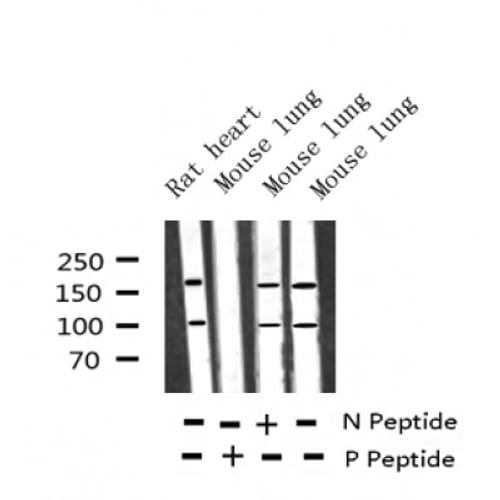
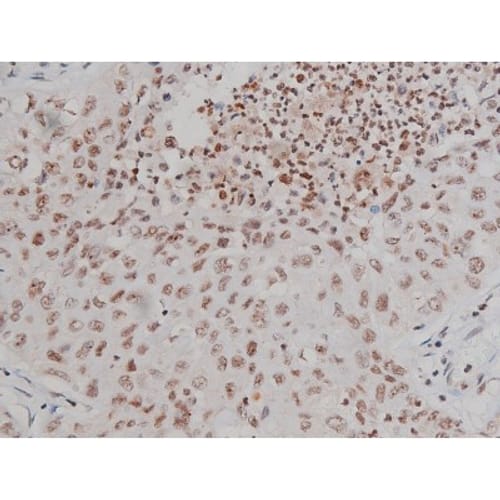
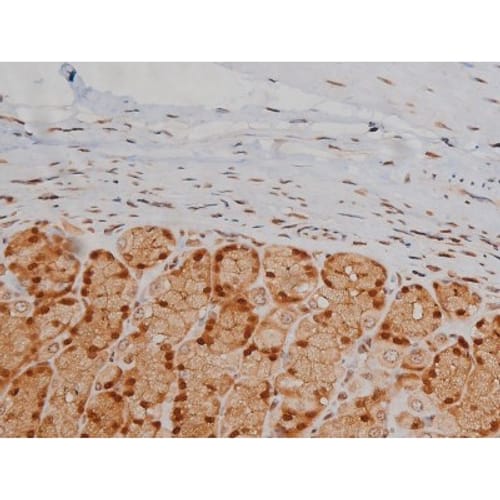
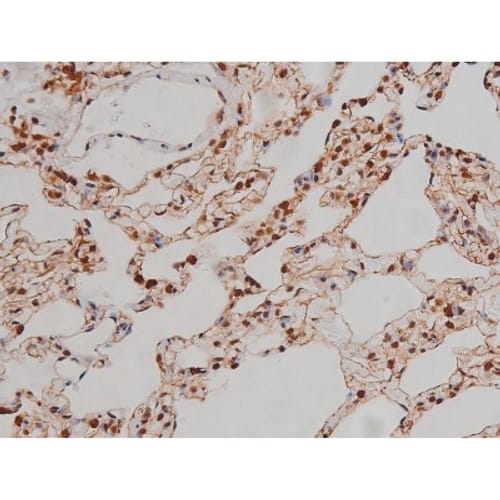
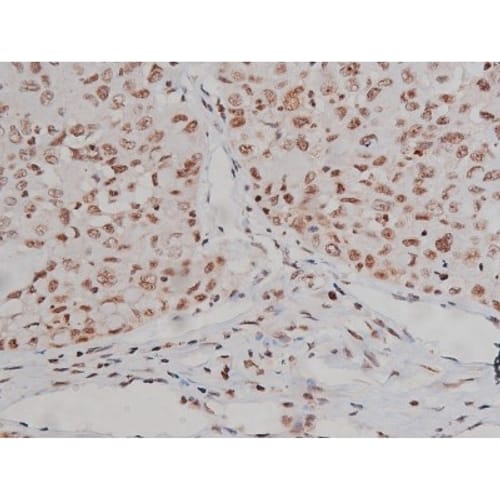
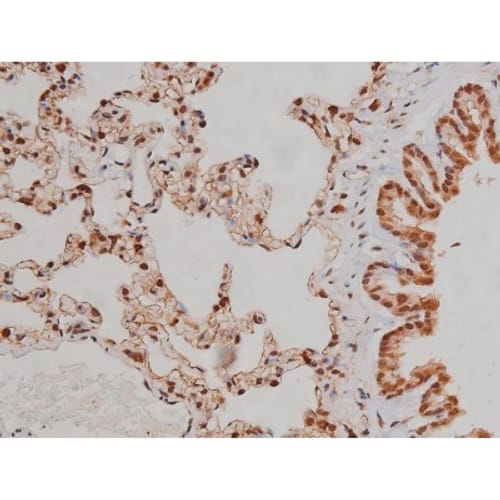
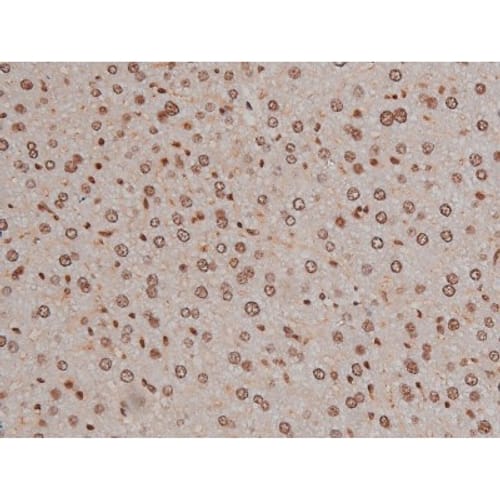

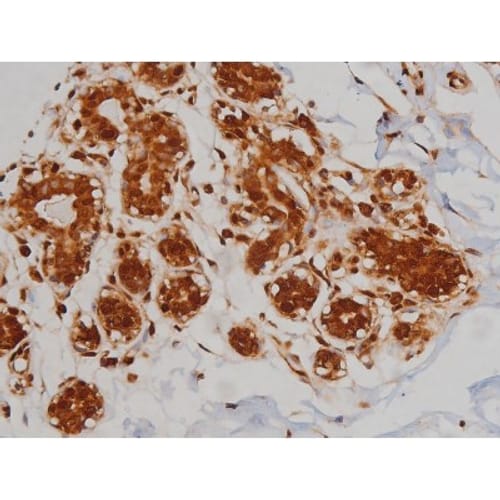
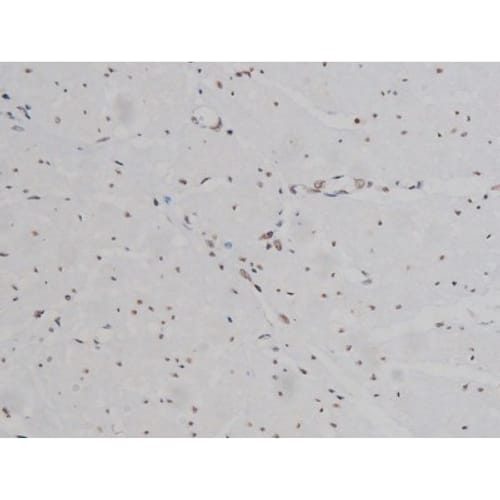
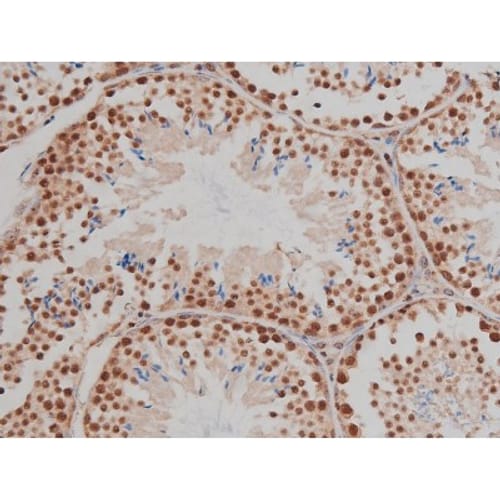
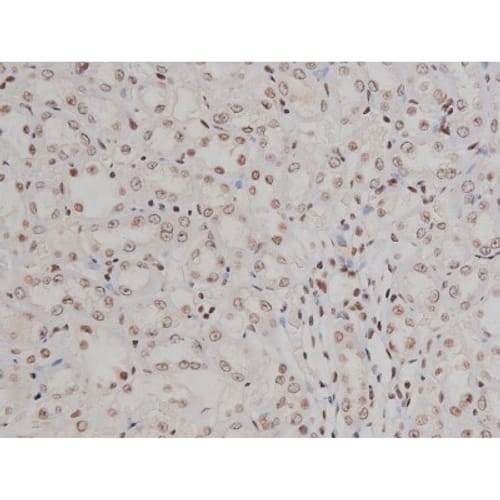
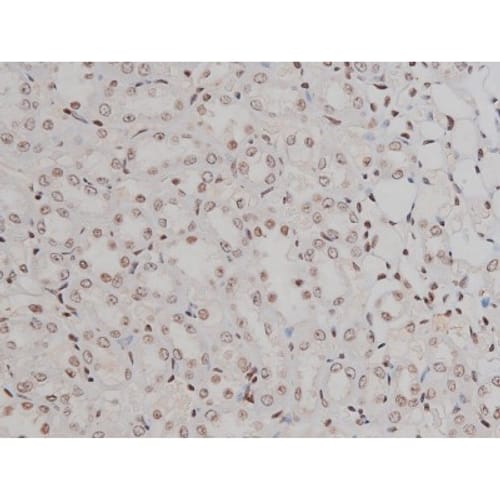

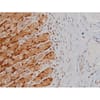
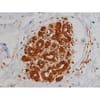
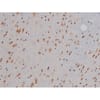
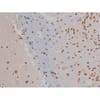
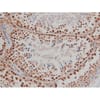
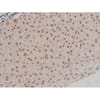
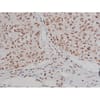
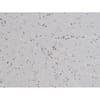
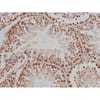
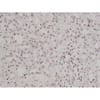
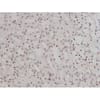
ITA0896
from
$526.00
Price in reward points: 526
- Catalog: ITA0896
- Gene/Protein: IGF1R
- Product Description: Immunotag™ Phospho-IGF1R (Tyr1346) Antibody
-
Description
-
Specifications
Antibody Specification Datasheet 
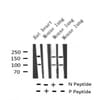
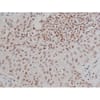
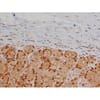
IMPORTANT NOTE This product is custom manufactured with a lead time of 3-4 weeks. Once in production, this item cannot be cancelled from an order and is not eligible for return. Target Protein Phospho-IGF1R (Tyr1346) Clonality Polyclonal Storage/Stability -20°C/1 year Application WB,IHC,IF/ICC,ELISA Recommended Dilution IHC 1:50-1:200 WB 1:500-1:2000, IF/ICC 1:100-1:500 Concentration 1 mg/ml Reactive Species Human,Mouse,Rat Host Species Rabbit Immunogen A synthesized peptide derived from human IGF1R around the phosphorylation site of Tyrosine 1346 Specificity Phospho-IGF1R (Tyr1346) Antibody detects endogenous levels of IGF1R only when phosphorylated at Tyrosine 1346 Purification The antibody is from purified rabbit serum by affinity purification via sequential chromatography on phospho- and non-phospho-peptide affinity columns. Form Rabbit IgG in phosphate buffered saline , pH 7.4, 150mM NaCl, 0.02% sodium azide and 50% glycerol.Store at -20 °C.Stable for 12 months from date of receipt Gene Name IGF1R Accession No. P08069 Alternate Names CD221; CD221 antigen; IGF 1 receptor; IGF 1R; IGF I receptor; IGF-I receptor; Igf1r; IGF1R_HUMAN; IGFIR; IGFIRC; IGFR; Insulin like growth factor 1 receptor; Insulin like growth factor 1 receptor precursor; Insulin-like growth factor 1 receptor beta chain; Insulin-like growth factor I receptor; JTK13; MGC142170; MGC142172; MGC18216; Soluble IGF1R variant 1; Soluble IGF1R variant 2; Description Receptor tyrosine kinase which mediates actions of insulin-like growth factor 1 (IGF1). Binds IGF1 with high affinity and IGF2 and insulin (INS) with a lower affinity. The activated IGF1R is involved in cell growth and survival control. IGF1R is crucial for tumor transformation and survival of malignant cell. Ligand binding activates the receptor kinase, leading to receptor autophosphorylation, and tyrosines phosphorylation of multiple substrates, that function as signaling adapter proteins including, the insulin-receptor substrates (IRS1/2), Shc and 14-3-3 proteins. Phosphorylation of IRSs proteins lead to the activation of two main signaling pathways: the PI3K-AKT/PKB pathway and the Ras-MAPK pathway. The result of activating the MAPK pathway is increased cellular proliferation, whereas activating the PI3K pathway inhibits apoptosis and stimulates protein synthesis. Phosphorylated IRS1 can activate the 85 kDa regulatory subunit of PI3K (PIK3R1), leading to activation of several downstream substrates, including protein AKT/PKB. AKT phosphorylation, in turn, enhances protein synthesis through mTOR activation and triggers the antiapoptotic effects of IGFIR through phosphorylation and inactivation of BAD. In parallel to PI3K-driven signaling, recruitment of Grb2/SOS by phosphorylated IRS1 or Shc leads to recruitment of Ras and activation of the ras-MAPK pathway. In addition to these two main signaling pathways IGF1R signals also through the Janus kinase/signal transducer and activator of transcription pathway (JAK/STAT). Phosphorylation of JAK proteins can lead to phosphorylation/activation of signal transducers and activators of transcription (STAT) proteins. In particular activation of STAT3, may be essential for the transforming activity of IGF1R. The JAK/STAT pathway activates gene transcription and may be responsible for the transforming activity. JNK kinases can also be activated by the IGF1R. IGF1 exerts inhibiting activities on JNK activation via phosphorylation and inhibition of MAP3K5/ASK1, which is able to directly associate with the IGF1R. Cell Pathway/ Category Primary Polyclonal Antibody Protein MW kDa Usage For Research Use Only! Not for diagnostic or therapeutic procedures. - Reviews
| Antibody Specification | |
| Datasheet |
|
| IMPORTANT NOTE | This product is custom manufactured with a lead time of 3-4 weeks. Once in production, this item cannot be cancelled from an order and is not eligible for return. |
| Target Protein | Phospho-IGF1R (Tyr1346) |
| Clonality | Polyclonal |
| Storage/Stability | -20°C/1 year |
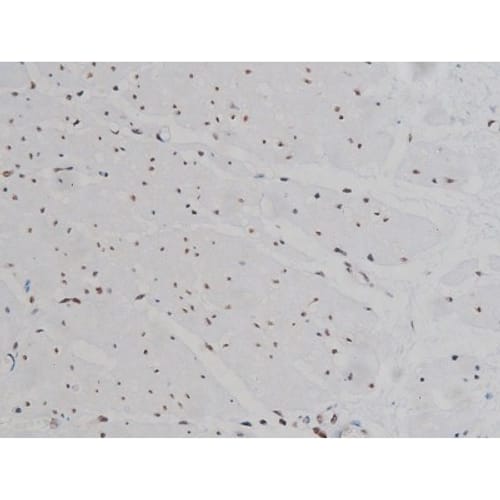
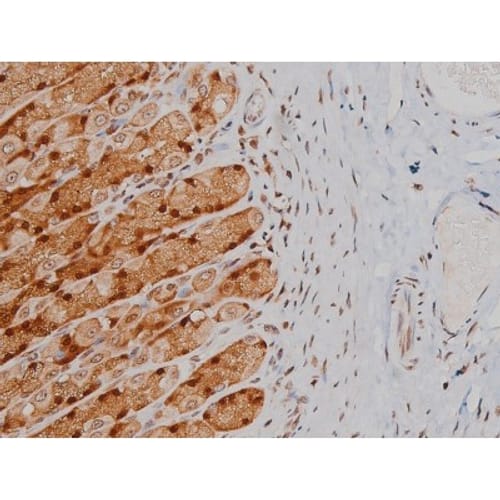
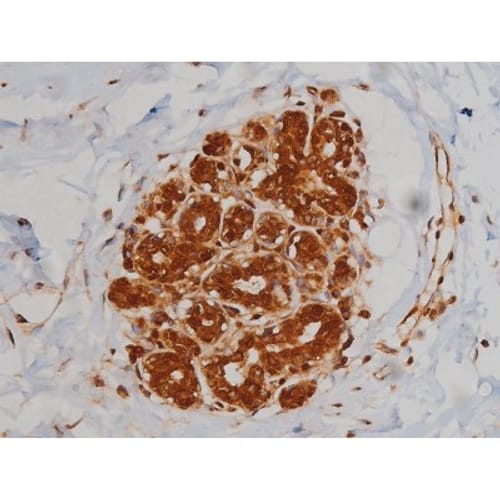
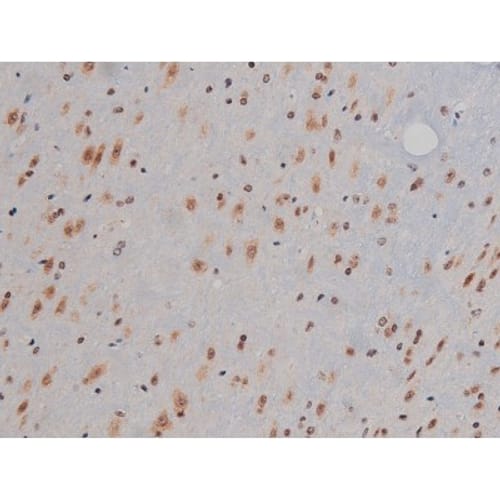
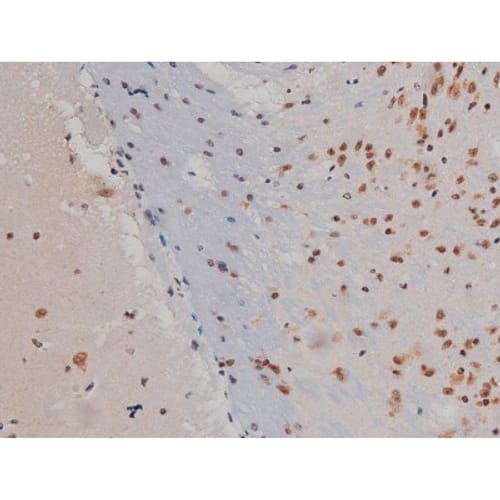
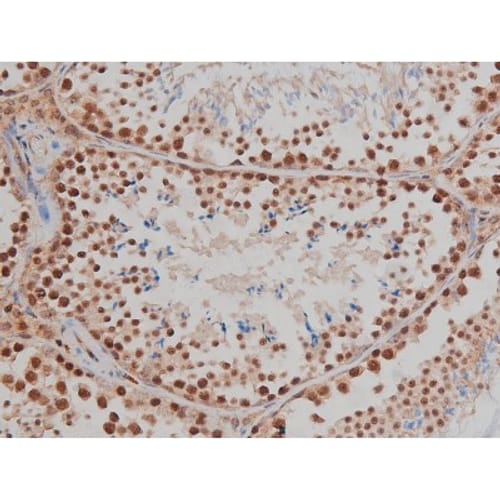
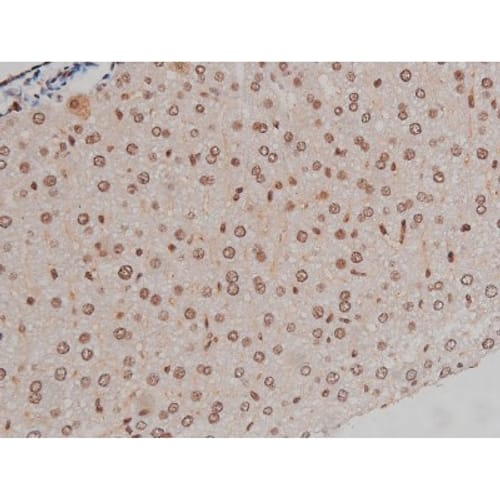
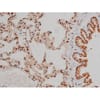
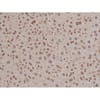
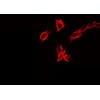
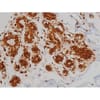
| Application | WB,IHC,IF/ICC,ELISA |
| Recommended Dilution | IHC 1:50-1:200 WB 1:500-1:2000, IF/ICC 1:100-1:500 |
| Concentration | 1 mg/ml |
| Reactive Species | Human,Mouse,Rat |
| Host Species | Rabbit |
| Immunogen | A synthesized peptide derived from human IGF1R around the phosphorylation site of Tyrosine 1346 |
| Specificity | Phospho-IGF1R (Tyr1346) Antibody detects endogenous levels of IGF1R only when phosphorylated at Tyrosine 1346 |
| Purification | The antibody is from purified rabbit serum by affinity purification via sequential chromatography on phospho- and non-phospho-peptide affinity columns. |
| Form | Rabbit IgG in phosphate buffered saline , pH 7.4, 150mM NaCl, 0.02% sodium azide and 50% glycerol.Store at -20 °C.Stable for 12 months from date of receipt |
| Gene Name | IGF1R |
| Accession No. | P08069 |
| Alternate Names | CD221; CD221 antigen; IGF 1 receptor; IGF 1R; IGF I receptor; IGF-I receptor; Igf1r; IGF1R_HUMAN; IGFIR; IGFIRC; IGFR; Insulin like growth factor 1 receptor; Insulin like growth factor 1 receptor precursor; Insulin-like growth factor 1 receptor beta chain; Insulin-like growth factor I receptor; JTK13; MGC142170; MGC142172; MGC18216; Soluble IGF1R variant 1; Soluble IGF1R variant 2; |
| Description | Receptor tyrosine kinase which mediates actions of insulin-like growth factor 1 (IGF1). Binds IGF1 with high affinity and IGF2 and insulin (INS) with a lower affinity. The activated IGF1R is involved in cell growth and survival control. IGF1R is crucial for tumor transformation and survival of malignant cell. Ligand binding activates the receptor kinase, leading to receptor autophosphorylation, and tyrosines phosphorylation of multiple substrates, that function as signaling adapter proteins including, the insulin-receptor substrates (IRS1/2), Shc and 14-3-3 proteins. Phosphorylation of IRSs proteins lead to the activation of two main signaling pathways: the PI3K-AKT/PKB pathway and the Ras-MAPK pathway. The result of activating the MAPK pathway is increased cellular proliferation, whereas activating the PI3K pathway inhibits apoptosis and stimulates protein synthesis. Phosphorylated IRS1 can activate the 85 kDa regulatory subunit of PI3K (PIK3R1), leading to activation of several downstream substrates, including protein AKT/PKB. AKT phosphorylation, in turn, enhances protein synthesis through mTOR activation and triggers the antiapoptotic effects of IGFIR through phosphorylation and inactivation of BAD. In parallel to PI3K-driven signaling, recruitment of Grb2/SOS by phosphorylated IRS1 or Shc leads to recruitment of Ras and activation of the ras-MAPK pathway. In addition to these two main signaling pathways IGF1R signals also through the Janus kinase/signal transducer and activator of transcription pathway (JAK/STAT). Phosphorylation of JAK proteins can lead to phosphorylation/activation of signal transducers and activators of transcription (STAT) proteins. In particular activation of STAT3, may be essential for the transforming activity of IGF1R. The JAK/STAT pathway activates gene transcription and may be responsible for the transforming activity. JNK kinases can also be activated by the IGF1R. IGF1 exerts inhibiting activities on JNK activation via phosphorylation and inhibition of MAP3K5/ASK1, which is able to directly associate with the IGF1R. |
| Cell Pathway/ Category | Primary Polyclonal Antibody |
| Protein MW | kDa |
| Usage | For Research Use Only! Not for diagnostic or therapeutic procedures. |