

ITA0910
ITA0910
ITA0910
from
$526.00
Price in reward points: 526
- Catalog: ITA0910
- Gene/Protein: BCL2
- Product Description: Immunotag™ Phospho-BCL-2 (Ser87) Antibody
-
Description
-
Specifications
Antibody Specification Datasheet 
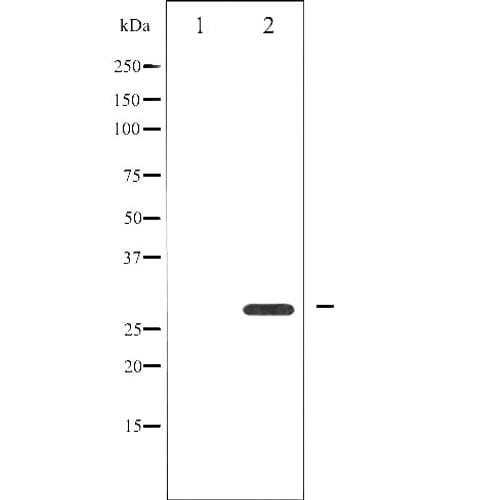
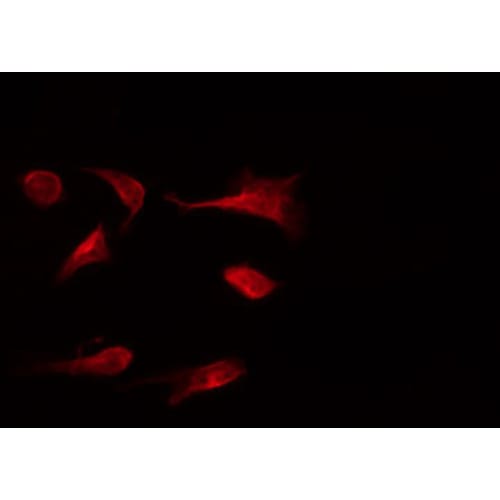
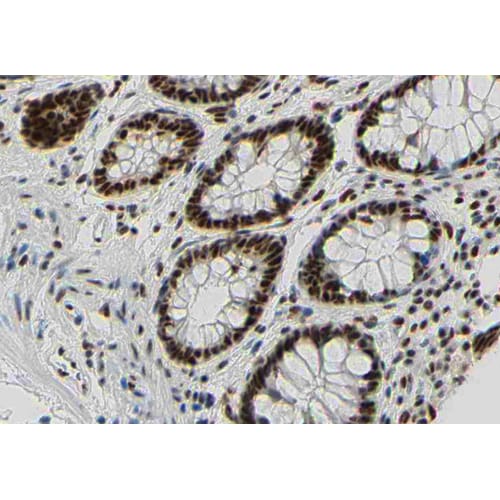
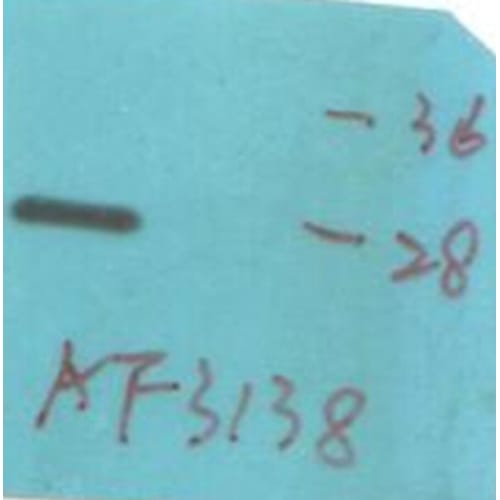
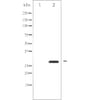
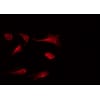
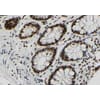
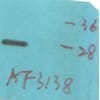
IMPORTANT NOTE This product is custom manufactured with a lead time of 3-4 weeks. Once in production, this item cannot be cancelled from an order and is not eligible for return. Target Protein Phospho-BCL-2 (Ser87) Clonality Polyclonal Storage/Stability -20°C/1 year Application WB,IHC,IF/ICC,ELISA Recommended Dilution WB 1:500-1:2000 IHC 1:50-1:200, IF/ICC 1:100-1:500 Concentration 1 mg/ml Reactive Species Human,Mouse,Rat Host Species Rabbit Immunogen A synthesized peptide derived from human BCL-2 around the phosphorylation site of Serine 87 Specificity Phospho-BCL-2 (Ser87) Antibody detects endogenous levels of BCL-2 only when phosphorylated at Serine 87 Purification The antibody is from purified rabbit serum by affinity purification via sequential chromatography on phospho- and non-phospho-peptide affinity columns. Form Rabbit IgG in phosphate buffered saline , pH 7.4, 150mM NaCl, 0.02% sodium azide and 50% glycerol.Store at -20 °C.Stable for 12 months from date of receipt Gene Name BCL2 Accession No. P10415 Alternate Names Apoptosis regulator Bcl 2; Apoptosis regulator Bcl-2; Apoptosis regulator Bcl2; AW986256; B cell CLL/lymphoma 2; B cell leukemia/lymphoma 2; Bcl-2; Bcl2; BCL2_HUMAN; C430015F12Rik; D630044D05Rik; D830018M01Rik; Leukemia/lymphoma, B-cell, 2; Oncogene B-cell leukemia 2; PPP1R50; Protein phosphatase 1, regulatory subunit 50; Description Suppresses apoptosis in a variety of cell systems including factor-dependent lymphohematopoietic and neural cells. Regulates cell death by controlling the mitochondrial membrane permeability. Appears to function in a feedback loop system with caspases. Inhibits caspase activity either by preventing the release of cytochrome c from the mitochondria and/or by binding to the apoptosis-activating factor (APAF-1). May attenuate inflammation by impairing NLRP1-inflammasome activation, hence CASP1 activation and IL1B release (PubMed:17418785). Cell Pathway/ Category Primary Polyclonal Antibody Protein MW 28kDa Usage For Research Use Only! Not for diagnostic or therapeutic procedures. - Reviews
| Antibody Specification | |
| Datasheet |
|
| IMPORTANT NOTE | This product is custom manufactured with a lead time of 3-4 weeks. Once in production, this item cannot be cancelled from an order and is not eligible for return. |
| Target Protein | Phospho-BCL-2 (Ser87) |
| Clonality | Polyclonal |
| Storage/Stability | -20°C/1 year |
| Application | WB,IHC,IF/ICC,ELISA |
| Recommended Dilution | WB 1:500-1:2000 IHC 1:50-1:200, IF/ICC 1:100-1:500 |
| Concentration | 1 mg/ml |
| Reactive Species | Human,Mouse,Rat |
| Host Species | Rabbit |
| Immunogen | A synthesized peptide derived from human BCL-2 around the phosphorylation site of Serine 87 |
| Specificity | Phospho-BCL-2 (Ser87) Antibody detects endogenous levels of BCL-2 only when phosphorylated at Serine 87 |
| Purification | The antibody is from purified rabbit serum by affinity purification via sequential chromatography on phospho- and non-phospho-peptide affinity columns. |
| Form | Rabbit IgG in phosphate buffered saline , pH 7.4, 150mM NaCl, 0.02% sodium azide and 50% glycerol.Store at -20 °C.Stable for 12 months from date of receipt |
| Gene Name | BCL2 |
| Accession No. | P10415 |
| Alternate Names | Apoptosis regulator Bcl 2; Apoptosis regulator Bcl-2; Apoptosis regulator Bcl2; AW986256; B cell CLL/lymphoma 2; B cell leukemia/lymphoma 2; Bcl-2; Bcl2; BCL2_HUMAN; C430015F12Rik; D630044D05Rik; D830018M01Rik; Leukemia/lymphoma, B-cell, 2; Oncogene B-cell leukemia 2; PPP1R50; Protein phosphatase 1, regulatory subunit 50; |
| Description | Suppresses apoptosis in a variety of cell systems including factor-dependent lymphohematopoietic and neural cells. Regulates cell death by controlling the mitochondrial membrane permeability. Appears to function in a feedback loop system with caspases. Inhibits caspase activity either by preventing the release of cytochrome c from the mitochondria and/or by binding to the apoptosis-activating factor (APAF-1). May attenuate inflammation by impairing NLRP1-inflammasome activation, hence CASP1 activation and IL1B release (PubMed:17418785). |
| Cell Pathway/ Category | Primary Polyclonal Antibody |
| Protein MW | 28kDa |
| Usage | For Research Use Only! Not for diagnostic or therapeutic procedures. |