

ITA0996
ITA0996
ITA0996
from
$526.00
Price in reward points: 526
- Catalog: ITA0996
- Gene/Protein: CBL
- Product Description: Immunotag™ Phospho-CBL (Tyr674) Antibody
-
Description
-
Specifications
Antibody Specification Datasheet 
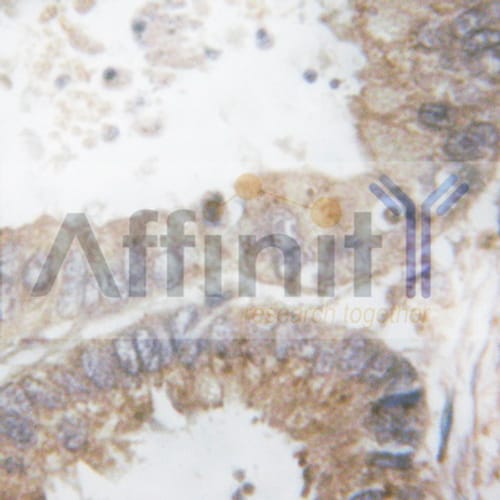
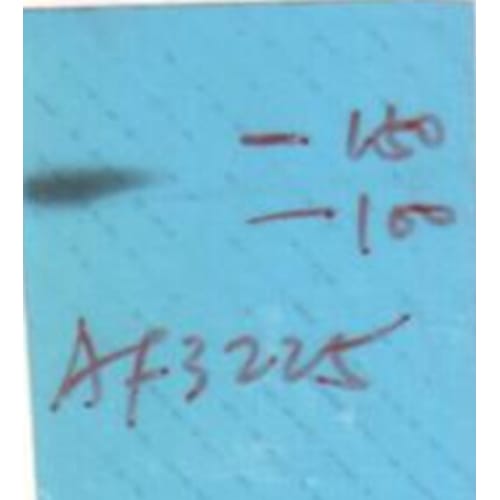
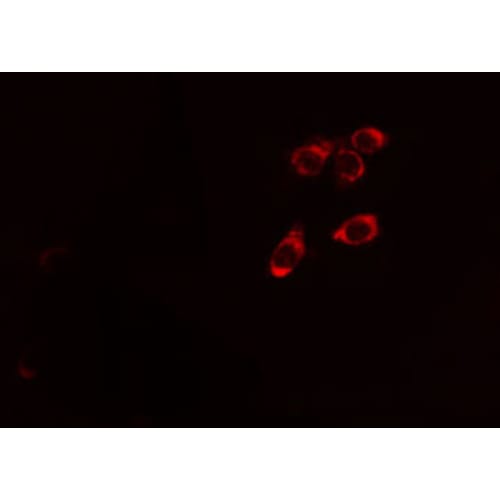
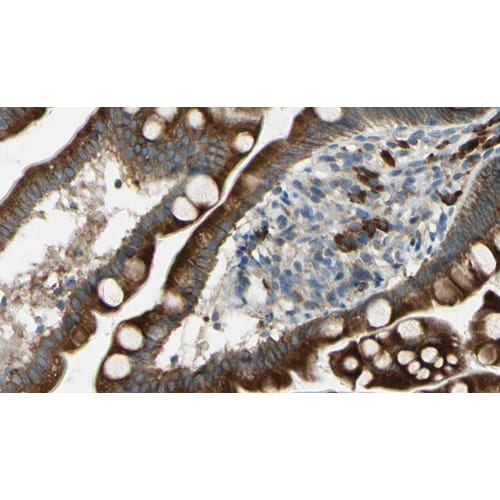
IMPORTANT NOTE This product is custom manufactured with a lead time of 3-4 weeks. Once in production, this item cannot be cancelled from an order and is not eligible for return. Target Protein Phospho-CBL (Tyr674) Clonality Polyclonal Storage/Stability -20°C/1 year Application WB,IHC,IF/ICC,ELISA Recommended Dilution WB 1:500-1:2000 IHC 1:50-1:200, IF/ICC 1:100-1:500 Concentration 1 mg/ml Reactive Species Human,Mouse,Rat Host Species Rabbit Immunogen A synthesized peptide derived from human CBL around the phosphorylation site of Tyrosine 674 Specificity Phospho-CBL (Tyr674) Antibody detects endogenous levels of CBL only when phosphorylated at Tyrosine 674 Purification The antibody is from purified rabbit serum by affinity purification via sequential chromatography on phospho- and non-phospho-peptide affinity columns. Form Rabbit IgG in phosphate buffered saline , pH 7.4, 150mM NaCl, 0.02% sodium azide and 50% glycerol.Store at -20 °C.Stable for 12 months from date of receipt Gene Name CBL Accession No. P22681 Alternate Names 4732447J05Rik; C CBL; Cas Br M (murine) ecotropic retroviral transforming sequence; Casitas B lineage lymphoma proto oncogene; Casitas B-lineage lymphoma proto-oncogene; CBL 2; cbl; CBL_HUMAN; CBL2; E3 ubiquitin protein ligase CBL; E3 ubiquitin-protein ligase CBL; Oncogene CBL2; Proto oncogene c CBL; Proto-oncogene c-CBL; RGD1561386; RING finger protein 55; RNF55; Signal transduction protein CBL; Description Adapter protein that functions as a negative regulator of many signaling pathways that are triggered by activation of cell surface receptors. Acts as an E3 ubiquitin-protein ligase, which accepts ubiquitin from specific E2 ubiquitin-conjugating enzymes, and then transfers it to substrates promoting their degradation by the proteasome. Recognizes activated receptor tyrosine kinases, including KIT, FLT1, FGFR1, FGFR2, PDGFRA, PDGFRB, EGFR, CSF1R, EPHA8 and KDR and terminates signaling. Recognizes membrane-bound HCK, SRC and other kinases of the SRC family and mediates their ubiquitination and degradation. Participates in signal transduction in hematopoietic cells. Plays an important role in the regulation of osteoblast differentiation and apoptosis. Essential for osteoclastic bone resorption. The 'Tyr-731' phosphorylated form induces the activation and recruitment of phosphatidylinositol 3-kinase to the cell membrane in a signaling pathway that is critical for osteoclast function. May be functionally coupled with the E2 ubiquitin-protein ligase UB2D3. Cell Pathway/ Category Primary Polyclonal Antibody Protein MW 120kDa Usage For Research Use Only! Not for diagnostic or therapeutic procedures. - Reviews
| Antibody Specification | |
| Datasheet |
|
| IMPORTANT NOTE | This product is custom manufactured with a lead time of 3-4 weeks. Once in production, this item cannot be cancelled from an order and is not eligible for return. |
| Target Protein | Phospho-CBL (Tyr674) |
| Clonality | Polyclonal |
| Storage/Stability | -20°C/1 year |
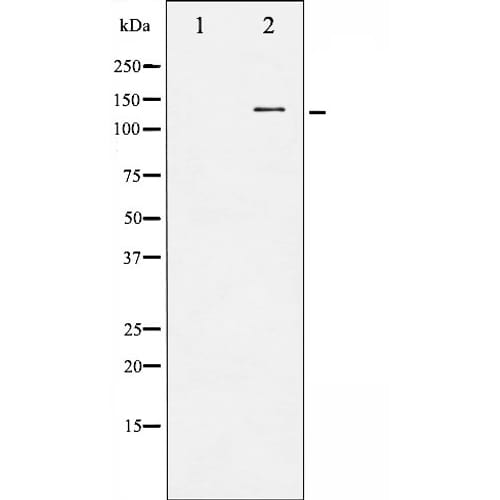
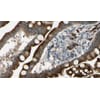
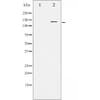
| Application | WB,IHC,IF/ICC,ELISA |
| Recommended Dilution | WB 1:500-1:2000 IHC 1:50-1:200, IF/ICC 1:100-1:500 |
| Concentration | 1 mg/ml |
| Reactive Species | Human,Mouse,Rat |
| Host Species | Rabbit |
| Immunogen | A synthesized peptide derived from human CBL around the phosphorylation site of Tyrosine 674 |
| Specificity | Phospho-CBL (Tyr674) Antibody detects endogenous levels of CBL only when phosphorylated at Tyrosine 674 |
| Purification | The antibody is from purified rabbit serum by affinity purification via sequential chromatography on phospho- and non-phospho-peptide affinity columns. |
| Form | Rabbit IgG in phosphate buffered saline , pH 7.4, 150mM NaCl, 0.02% sodium azide and 50% glycerol.Store at -20 °C.Stable for 12 months from date of receipt |
| Gene Name | CBL |
| Accession No. | P22681 |
| Alternate Names | 4732447J05Rik; C CBL; Cas Br M (murine) ecotropic retroviral transforming sequence; Casitas B lineage lymphoma proto oncogene; Casitas B-lineage lymphoma proto-oncogene; CBL 2; cbl; CBL_HUMAN; CBL2; E3 ubiquitin protein ligase CBL; E3 ubiquitin-protein ligase CBL; Oncogene CBL2; Proto oncogene c CBL; Proto-oncogene c-CBL; RGD1561386; RING finger protein 55; RNF55; Signal transduction protein CBL; |
| Description | Adapter protein that functions as a negative regulator of many signaling pathways that are triggered by activation of cell surface receptors. Acts as an E3 ubiquitin-protein ligase, which accepts ubiquitin from specific E2 ubiquitin-conjugating enzymes, and then transfers it to substrates promoting their degradation by the proteasome. Recognizes activated receptor tyrosine kinases, including KIT, FLT1, FGFR1, FGFR2, PDGFRA, PDGFRB, EGFR, CSF1R, EPHA8 and KDR and terminates signaling. Recognizes membrane-bound HCK, SRC and other kinases of the SRC family and mediates their ubiquitination and degradation. Participates in signal transduction in hematopoietic cells. Plays an important role in the regulation of osteoblast differentiation and apoptosis. Essential for osteoclastic bone resorption. The 'Tyr-731' phosphorylated form induces the activation and recruitment of phosphatidylinositol 3-kinase to the cell membrane in a signaling pathway that is critical for osteoclast function. May be functionally coupled with the E2 ubiquitin-protein ligase UB2D3. |
| Cell Pathway/ Category | Primary Polyclonal Antibody |
| Protein MW | 120kDa |
| Usage | For Research Use Only! Not for diagnostic or therapeutic procedures. |