

ITA1137
ITA1137

ITA1137
from
$526.00
Price in reward points: 526
- Catalog: ITA1137
- Gene/Protein: XIAP
- Product Description: Immunotag™ Phospho-XIAP (Ser87) Antibody
-
Description
-
Specifications
Antibody Specification Datasheet 
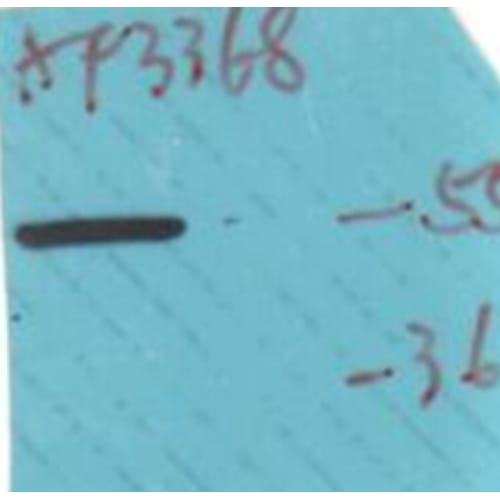
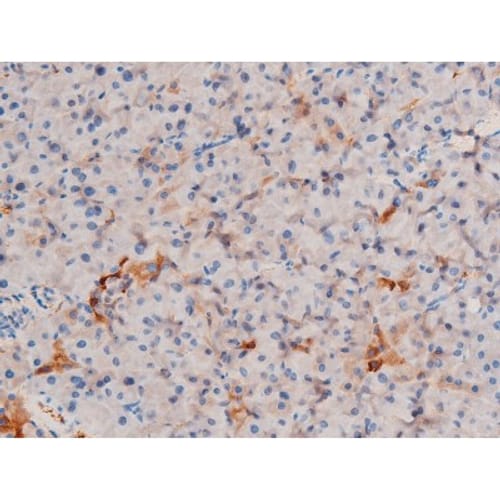
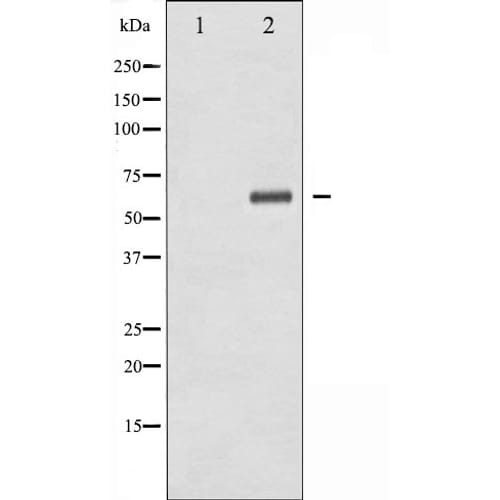
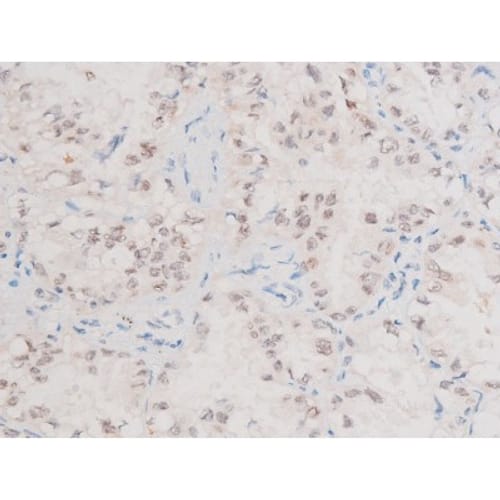
IMPORTANT NOTE This product is custom manufactured with a lead time of 3-4 weeks. Once in production, this item cannot be cancelled from an order and is not eligible for return. Target Protein Phospho-XIAP (Ser87) Clonality Polyclonal Storage/Stability -20°C/1 year Application WB,IHC,IF/ICC,ELISA Recommended Dilution WB 1:500-1:2000 IHC 1:50-1:200, IF/ICC 1:100-1:500 Concentration 1 mg/ml Reactive Species Human,Mouse,Rat Host Species Rabbit Immunogen A synthesized peptide derived from human XIAP around the phosphorylation site of Serine 87 Specificity Phospho-XIAP (Ser87) Antibody detects endogenous levels of XIAP only when phosphorylated at Serine 87 Purification The antibody is from purified rabbit serum by affinity purification via sequential chromatography on phospho- and non-phospho-peptide affinity columns. Form Rabbit IgG in phosphate buffered saline , pH 7.4, 150mM NaCl, 0.02% sodium azide and 50% glycerol.Store at -20 °C.Stable for 12 months from date of receipt Gene Name XIAP Accession No. P98170 Alternate Names AP 13; API3; Apoptosis Inhibitor 3; Baculoviral IAP repeat containing 4; Baculoviral IAP Repeat Containing Protein 4; Baculoviral IAP repeat-containing protein 4; BIRC 4; BIRC4; E3 ubiquitin-protein ligase XIAP; hIAP-3; hIAP3; HILP; IAP 3; IAP like protein; IAP-3; IAP-like protein; IAP3; ILP 1; ILP; ILP1; Inhibitor of apoptosis protein 3; Inhibitor of Apoptosis X Linked; Mammalian IAP Homologue A; MIHA; X linked IAP; X linked inhibitor of apoptosis; X linked inhibitor of apoptosis E3 ubiquitin protein ligase; X linked inhibitor of apoptosis protein; X-linked IAP; X-linked inhibitor of apoptosis protein; Xiap; XIAP_HUMAN; XLP2; Description Multi-functional protein which regulates not only caspases and apoptosis, but also modulates inflammatory signaling and immunity, copper homeostasis, mitogenic kinase signaling, cell proliferation, as well as cell invasion and metastasis. Acts as a direct caspase inhibitor. Directly bind to the active site pocket of CASP3 and CASP7 and obstructs substrate entry. Inactivates CASP9 by keeping it in a monomeric, inactive state. Acts as an E3 ubiquitin-protein ligase regulating NF-kappa-B signaling and the target proteins for its E3 ubiquitin-protein ligase activity include: RIPK1, CASP3, CASP7, CASP8, CASP9, MAP3K2/MEKK2, DIABLO/SMAC, AIFM1, CCS and BIRC5/survivin. Ubiquitinion of CCS leads to enhancement of its chaperone activity toward its physiologic target, SOD1, rather than proteasomal degradation. Ubiquitinion of MAP3K2/MEKK2 and AIFM1 does not lead to proteasomal degradation. Plays a role in copper homeostasis by ubiquitinationg COMMD1 and promoting its proteasomal degradation. Can also function as E3 ubiquitin-protein ligase of the NEDD8 conjugation pathway, targeting effector caspases for neddylation and inactivation. Regulates the BMP signaling pathway and the SMAD and MAP3K7/TAK1 dependent pathways leading to NF-kappa-B and JNK activation. Acts as an important regulator of innate immune signaling via regulation of Nodlike receptors (NLRs). Protects cells from spontaneous formation of the ripoptosome, a large multi-protein complex that has the capability to kill cancer cells in a caspase-dependent and caspase-independent manner. Suppresses ripoptosome formation by ubiquitinating RIPK1 and CASP8. Acts as a positive regulator of Wnt signaling and ubiquitinates TLE1, TLE2, TLE3, TLE4 and AES. Ubiquitination of TLE3 results in inhibition of its interaction with TCF7L2/TCF4 thereby allowing efficient recruitment and binding of the transcriptional coactivator beta-catenin to TCF7L2/TCF4 that is required to initiate a Wnt-specific transcriptional program. Cell Pathway/ Category Primary Polyclonal Antibody Protein MW 57kDa Usage For Research Use Only! Not for diagnostic or therapeutic procedures. - Reviews
| Antibody Specification | |
| Datasheet |
|
| IMPORTANT NOTE | This product is custom manufactured with a lead time of 3-4 weeks. Once in production, this item cannot be cancelled from an order and is not eligible for return. |
| Target Protein | Phospho-XIAP (Ser87) |
| Clonality | Polyclonal |
| Storage/Stability | -20°C/1 year |
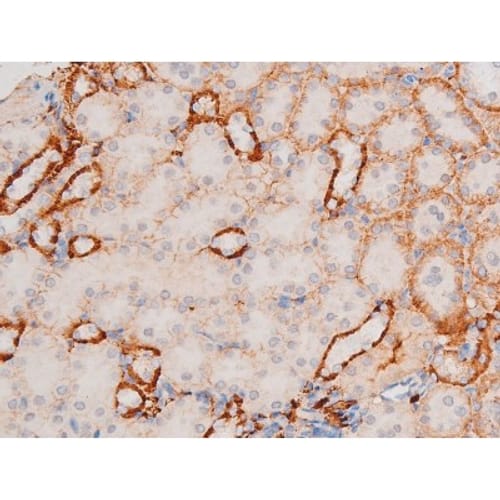
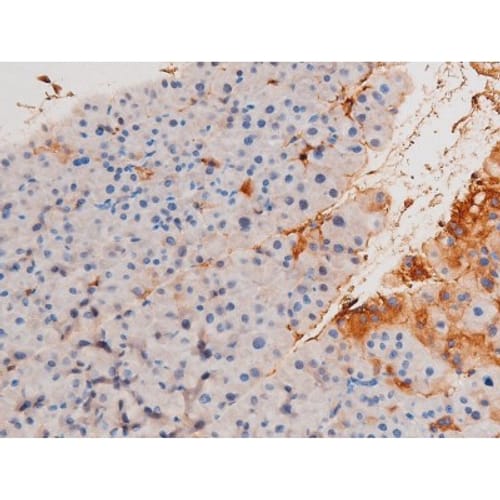
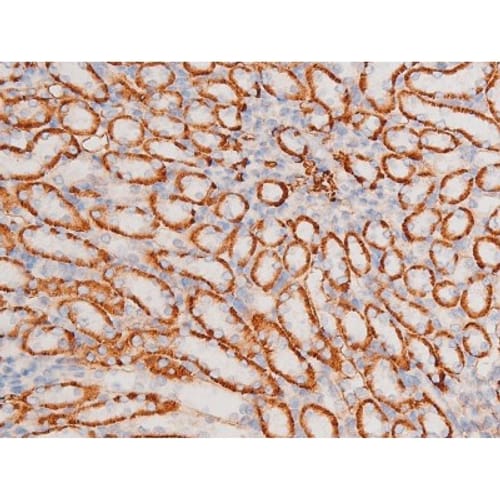
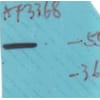
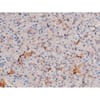
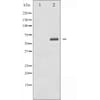
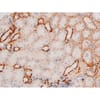
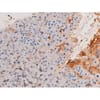
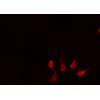
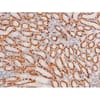
| Application | WB,IHC,IF/ICC,ELISA |
| Recommended Dilution | WB 1:500-1:2000 IHC 1:50-1:200, IF/ICC 1:100-1:500 |
| Concentration | 1 mg/ml |
| Reactive Species | Human,Mouse,Rat |
| Host Species | Rabbit |
| Immunogen | A synthesized peptide derived from human XIAP around the phosphorylation site of Serine 87 |
| Specificity | Phospho-XIAP (Ser87) Antibody detects endogenous levels of XIAP only when phosphorylated at Serine 87 |
| Purification | The antibody is from purified rabbit serum by affinity purification via sequential chromatography on phospho- and non-phospho-peptide affinity columns. |
| Form | Rabbit IgG in phosphate buffered saline , pH 7.4, 150mM NaCl, 0.02% sodium azide and 50% glycerol.Store at -20 °C.Stable for 12 months from date of receipt |
| Gene Name | XIAP |
| Accession No. | P98170 |
| Alternate Names | AP 13; API3; Apoptosis Inhibitor 3; Baculoviral IAP repeat containing 4; Baculoviral IAP Repeat Containing Protein 4; Baculoviral IAP repeat-containing protein 4; BIRC 4; BIRC4; E3 ubiquitin-protein ligase XIAP; hIAP-3; hIAP3; HILP; IAP 3; IAP like protein; IAP-3; IAP-like protein; IAP3; ILP 1; ILP; ILP1; Inhibitor of apoptosis protein 3; Inhibitor of Apoptosis X Linked; Mammalian IAP Homologue A; MIHA; X linked IAP; X linked inhibitor of apoptosis; X linked inhibitor of apoptosis E3 ubiquitin protein ligase; X linked inhibitor of apoptosis protein; X-linked IAP; X-linked inhibitor of apoptosis protein; Xiap; XIAP_HUMAN; XLP2; |
| Description | Multi-functional protein which regulates not only caspases and apoptosis, but also modulates inflammatory signaling and immunity, copper homeostasis, mitogenic kinase signaling, cell proliferation, as well as cell invasion and metastasis. Acts as a direct caspase inhibitor. Directly bind to the active site pocket of CASP3 and CASP7 and obstructs substrate entry. Inactivates CASP9 by keeping it in a monomeric, inactive state. Acts as an E3 ubiquitin-protein ligase regulating NF-kappa-B signaling and the target proteins for its E3 ubiquitin-protein ligase activity include: RIPK1, CASP3, CASP7, CASP8, CASP9, MAP3K2/MEKK2, DIABLO/SMAC, AIFM1, CCS and BIRC5/survivin. Ubiquitinion of CCS leads to enhancement of its chaperone activity toward its physiologic target, SOD1, rather than proteasomal degradation. Ubiquitinion of MAP3K2/MEKK2 and AIFM1 does not lead to proteasomal degradation. Plays a role in copper homeostasis by ubiquitinationg COMMD1 and promoting its proteasomal degradation. Can also function as E3 ubiquitin-protein ligase of the NEDD8 conjugation pathway, targeting effector caspases for neddylation and inactivation. Regulates the BMP signaling pathway and the SMAD and MAP3K7/TAK1 dependent pathways leading to NF-kappa-B and JNK activation. Acts as an important regulator of innate immune signaling via regulation of Nodlike receptors (NLRs). Protects cells from spontaneous formation of the ripoptosome, a large multi-protein complex that has the capability to kill cancer cells in a caspase-dependent and caspase-independent manner. Suppresses ripoptosome formation by ubiquitinating RIPK1 and CASP8. Acts as a positive regulator of Wnt signaling and ubiquitinates TLE1, TLE2, TLE3, TLE4 and AES. Ubiquitination of TLE3 results in inhibition of its interaction with TCF7L2/TCF4 thereby allowing efficient recruitment and binding of the transcriptional coactivator beta-catenin to TCF7L2/TCF4 that is required to initiate a Wnt-specific transcriptional program. |
| Cell Pathway/ Category | Primary Polyclonal Antibody |
| Protein MW | 57kDa |
| Usage | For Research Use Only! Not for diagnostic or therapeutic procedures. |