

ITA1199
ITA1199
ITA1199
from
$526.00
Price in reward points: 526
- Catalog: ITA1199
- Gene/Protein: PIN1
- Product Description: Immunotag™ Phospho-Pin1 (Ser16) Antibody
-
Description
-
Specifications
Antibody Specification Datasheet 
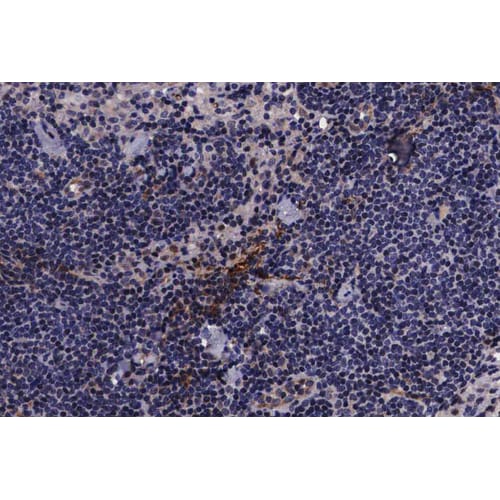
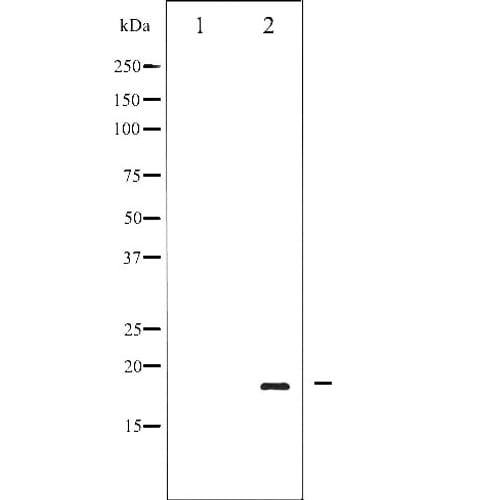
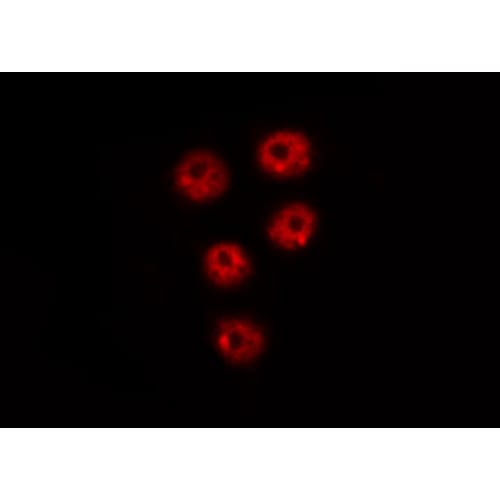
IMPORTANT NOTE This product is custom manufactured with a lead time of 3-4 weeks. Once in production, this item cannot be cancelled from an order and is not eligible for return. Target Protein Phospho-Pin1 (Ser16) Clonality Polyclonal Storage/Stability -20°C/1 year Application WB,IHC,IF/ICC,ELISA Recommended Dilution WB 1:500-1:2000 IHC 1:50-1:200, IF/ICC 1:100-1:500 Concentration 1 mg/ml Reactive Species Human,Mouse,Rat Host Species Rabbit Immunogen A synthesized peptide derived from human Pin1 around the phosphorylation site of Serine 16 Specificity Phospho-Pin1 (Ser16) Antibody detects endogenous levels of Pin1 only when phosphorylated at Serine 16 Purification The antibody is from purified rabbit serum by affinity purification via sequential chromatography on phospho- and non-phospho-peptide affinity columns. Form Rabbit IgG in phosphate buffered saline , pH 7.4, 150mM NaCl, 0.02% sodium azide and 50% glycerol.Store at -20 °C.Stable for 12 months from date of receipt Gene Name PIN1 Accession No. Q13526 Alternate Names DOD; DODO, Drosophila, homolog of; FLJ40239; FLJ77628; MGC10717; NIMA interacting 1; Peptidyl prolyl cis trans isomerase NIMA interacting 1; Peptidyl prolyl cis/trans isomerase NIMA interacting; Peptidyl-prolyl cis-trans isomerase NIMA-interacting 1; Peptidyl-prolyl cis-trans isomerase pin1; Peptidylprolyl cis/trans isomerase NIMA interacting 1; Pin 1; Pin1; PIN1_HUMAN; PPIase Pin1; Prolyl isomerase; Protein (peptidylprolyl cis/trans isomerase) NIMA interacting 1; Protein NIMA interacting 1; Rotamase Pin1; UBL 5; UBL5; Description Peptidyl-prolyl cis/trans isomerase (PPIase) that binds to and isomerizes specific phosphorylated Ser/Thr-Pro (pSer/Thr-Pro) motifs. By inducing conformational changes in a subset of phosphorylated proteins, acts as a molecular switch in multiple cellular processes (PubMed:21497122, PubMed:22033920, PubMed:23623683). Displays a preference for acidic residues located N-terminally to the proline bond to be isomerized. Regulates mitosis presumably by interacting with NIMA and attenuating its mitosis-promoting activity. Down-regulates kinase activity of BTK (PubMed:16644721). Can transactivate multiple oncogenes and induce centrosome amplification, chromosome instability and cell transformation. Required for the efficient dephosphorylation and recycling of RAF1 after mitogen activation (PubMed:15664191). Binds and targets PML and BCL6 for degradation in a phosphorylation-dependent manner (PubMed:17828269). Acts as a regulator of JNK cascade by binding to phosphorylated FBXW7, disrupting FBXW7 dimerization and promoting FBXW7 autoubiquitination and degradation: degradation of FBXW7 leads to subsequent stabilization of JUN (PubMed:22608923). May facilitate the ubiquitination and proteasomal degradation of RBBP8/CtIP through CUL3/KLHL15 E3 ubiquitin-protein ligase complex, hence favors DNA double-strand repair through error-prone non-homologous end joining (NHEJ) over error-free, RBBP8-mediated homologous recombination (HR) (PubMed:23623683, PubMed:27561354). Cell Pathway/ Category Primary Polyclonal Antibody Protein MW 18kDa Usage For Research Use Only! Not for diagnostic or therapeutic procedures. - Reviews
| Antibody Specification | |
| Datasheet |
|
| IMPORTANT NOTE | This product is custom manufactured with a lead time of 3-4 weeks. Once in production, this item cannot be cancelled from an order and is not eligible for return. |
| Target Protein | Phospho-Pin1 (Ser16) |
| Clonality | Polyclonal |
| Storage/Stability | -20°C/1 year |
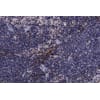
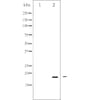
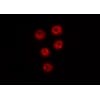
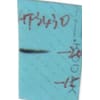
| Application | WB,IHC,IF/ICC,ELISA |
| Recommended Dilution | WB 1:500-1:2000 IHC 1:50-1:200, IF/ICC 1:100-1:500 |
| Concentration | 1 mg/ml |
| Reactive Species | Human,Mouse,Rat |
| Host Species | Rabbit |
| Immunogen | A synthesized peptide derived from human Pin1 around the phosphorylation site of Serine 16 |
| Specificity | Phospho-Pin1 (Ser16) Antibody detects endogenous levels of Pin1 only when phosphorylated at Serine 16 |
| Purification | The antibody is from purified rabbit serum by affinity purification via sequential chromatography on phospho- and non-phospho-peptide affinity columns. |
| Form | Rabbit IgG in phosphate buffered saline , pH 7.4, 150mM NaCl, 0.02% sodium azide and 50% glycerol.Store at -20 °C.Stable for 12 months from date of receipt |
| Gene Name | PIN1 |
| Accession No. | Q13526 |
| Alternate Names | DOD; DODO, Drosophila, homolog of; FLJ40239; FLJ77628; MGC10717; NIMA interacting 1; Peptidyl prolyl cis trans isomerase NIMA interacting 1; Peptidyl prolyl cis/trans isomerase NIMA interacting; Peptidyl-prolyl cis-trans isomerase NIMA-interacting 1; Peptidyl-prolyl cis-trans isomerase pin1; Peptidylprolyl cis/trans isomerase NIMA interacting 1; Pin 1; Pin1; PIN1_HUMAN; PPIase Pin1; Prolyl isomerase; Protein (peptidylprolyl cis/trans isomerase) NIMA interacting 1; Protein NIMA interacting 1; Rotamase Pin1; UBL 5; UBL5; |
| Description | Peptidyl-prolyl cis/trans isomerase (PPIase) that binds to and isomerizes specific phosphorylated Ser/Thr-Pro (pSer/Thr-Pro) motifs. By inducing conformational changes in a subset of phosphorylated proteins, acts as a molecular switch in multiple cellular processes (PubMed:21497122, PubMed:22033920, PubMed:23623683). Displays a preference for acidic residues located N-terminally to the proline bond to be isomerized. Regulates mitosis presumably by interacting with NIMA and attenuating its mitosis-promoting activity. Down-regulates kinase activity of BTK (PubMed:16644721). Can transactivate multiple oncogenes and induce centrosome amplification, chromosome instability and cell transformation. Required for the efficient dephosphorylation and recycling of RAF1 after mitogen activation (PubMed:15664191). Binds and targets PML and BCL6 for degradation in a phosphorylation-dependent manner (PubMed:17828269). Acts as a regulator of JNK cascade by binding to phosphorylated FBXW7, disrupting FBXW7 dimerization and promoting FBXW7 autoubiquitination and degradation: degradation of FBXW7 leads to subsequent stabilization of JUN (PubMed:22608923). May facilitate the ubiquitination and proteasomal degradation of RBBP8/CtIP through CUL3/KLHL15 E3 ubiquitin-protein ligase complex, hence favors DNA double-strand repair through error-prone non-homologous end joining (NHEJ) over error-free, RBBP8-mediated homologous recombination (HR) (PubMed:23623683, PubMed:27561354). |
| Cell Pathway/ Category | Primary Polyclonal Antibody |
| Protein MW | 18kDa |
| Usage | For Research Use Only! Not for diagnostic or therapeutic procedures. |