

ITA1274
ITA1274
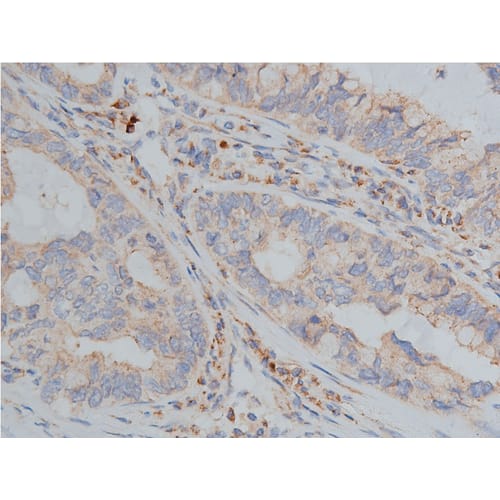
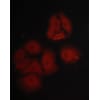
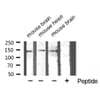
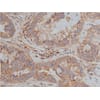
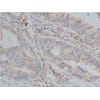
ITA1274
from
$526.00
Price in reward points: 526
- Catalog: ITA1274
- Gene/Protein: TSC1
- Product Description: Immunotag™ TSC1 Antibody
-
Description
-
Specifications
Antibody Specification Datasheet 
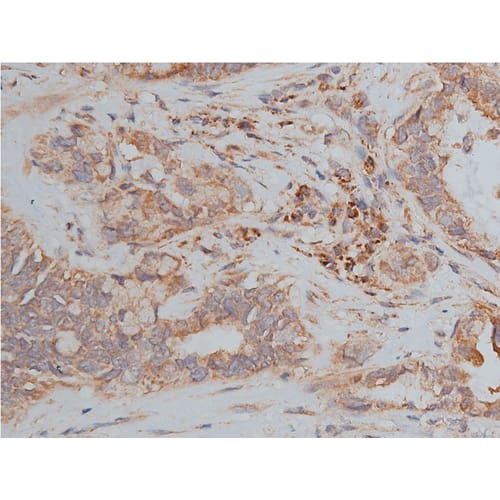
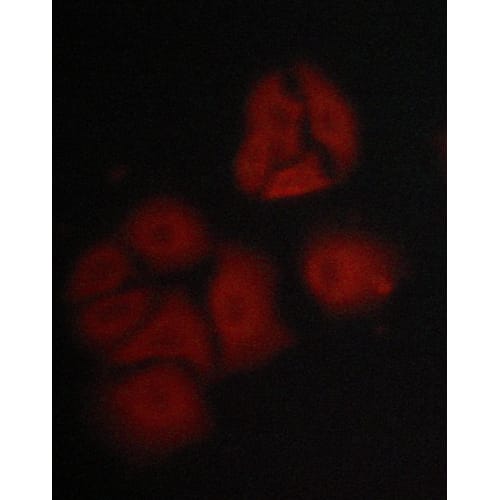
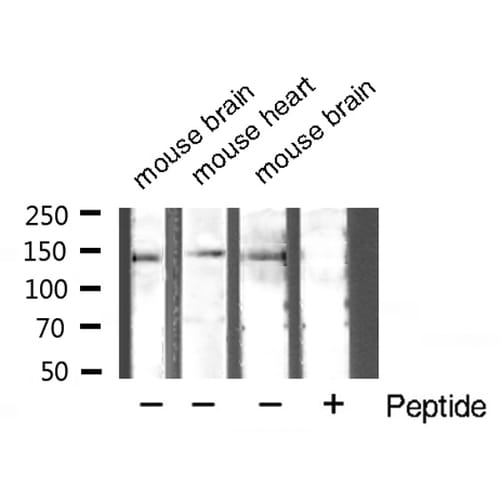
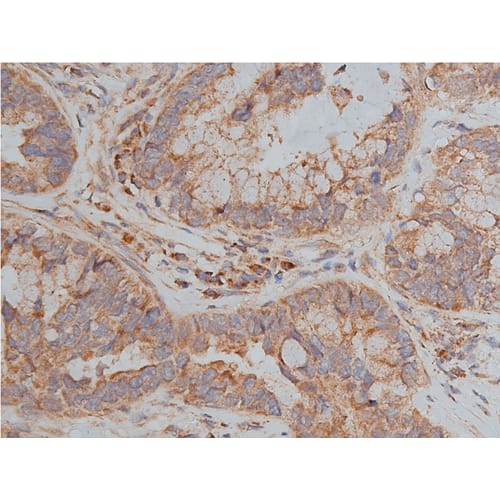
IMPORTANT NOTE This product is custom manufactured with a lead time of 3-4 weeks. Once in production, this item cannot be cancelled from an order and is not eligible for return. Target Protein TSC1 Clonality Polyclonal Storage/Stability -20°C/1 year Application WB,IHC,ELISA Recommended Dilution WB 1:500-1:2000 IHC 1:50-1:200 Concentration 1 mg/ml Reactive Species Human,Mouse,Rat Host Species Rabbit Immunogen A synthesized peptide derived from human TSC1 Specificity TSC1 Antibody detects endogenous levels of total TSC1 Purification The antiserum was purified by peptide affinity chromatography. Form Rabbit IgG in phosphate buffered saline , pH 7.4, 150mM NaCl, 0.02% sodium azide and 50% glycerol.Store at -20 °C.Stable for 12 months from date of receipt Gene Name TSC1 Accession No. Q92574 Alternate Names Hamartin; kiaa0243; LAM; TSC; Tsc1; Tsc1 gene; TSC1_HUMAN; Tuberous sclerosis 1; Tuberous sclerosis 1 protein; tumor suppressor; Description In complex with TSC2, inhibits the nutrient-mediated or growth factor-stimulated phosphorylation of S6K1 and EIF4EBP1 by negatively regulating mTORC1 signaling (PubMed:12271141, PubMed:28215400). Seems not to be required for TSC2 GAP activity towards RHEB (PubMed:15340059). Implicated as a tumor suppressor. Involved in microtubule-mediated protein transport, but this seems to be due to unregulated mTOR signaling (By similarity). Acts as a co-chaperone for HSP90AA1 facilitating HSP90AA1 chaperoning of protein clients such as kinases, TSC2 and glucocorticoid receptor NR3C1 (PubMed:29127155). Increases ATP binding to HSP90AA1 and inhibits HSP90AA1 ATPase activity (PubMed:29127155). Competes with the activating co-chaperone AHSA1 for binding to HSP90AA1, thereby providing a reciprocal regulatory mechanism for chaperoning of client proteins (PubMed:29127155). Recruits TSC2 to HSP90AA1 and stabilizes TSC2 by preventing the interaction between TSC2 and ubiquitin ligase HERC1 (PubMed:16464865, PubMed:29127155). Cell Pathway/ Category Primary Polyclonal Antibody Protein MW 150 kDa Usage For Research Use Only! Not for diagnostic or therapeutic procedures. - Reviews
| Antibody Specification | |
| Datasheet |
|
| IMPORTANT NOTE | This product is custom manufactured with a lead time of 3-4 weeks. Once in production, this item cannot be cancelled from an order and is not eligible for return. |
| Target Protein | TSC1 |
| Clonality | Polyclonal |
| Storage/Stability | -20°C/1 year |
| Application | WB,IHC,ELISA |
| Recommended Dilution | WB 1:500-1:2000 IHC 1:50-1:200 |
| Concentration | 1 mg/ml |
| Reactive Species | Human,Mouse,Rat |
| Host Species | Rabbit |
| Immunogen | A synthesized peptide derived from human TSC1 |
| Specificity | TSC1 Antibody detects endogenous levels of total TSC1 |
| Purification | The antiserum was purified by peptide affinity chromatography. |
| Form | Rabbit IgG in phosphate buffered saline , pH 7.4, 150mM NaCl, 0.02% sodium azide and 50% glycerol.Store at -20 °C.Stable for 12 months from date of receipt |
| Gene Name | TSC1 |
| Accession No. | Q92574 |
| Alternate Names | Hamartin; kiaa0243; LAM; TSC; Tsc1; Tsc1 gene; TSC1_HUMAN; Tuberous sclerosis 1; Tuberous sclerosis 1 protein; tumor suppressor; |
| Description | In complex with TSC2, inhibits the nutrient-mediated or growth factor-stimulated phosphorylation of S6K1 and EIF4EBP1 by negatively regulating mTORC1 signaling (PubMed:12271141, PubMed:28215400). Seems not to be required for TSC2 GAP activity towards RHEB (PubMed:15340059). Implicated as a tumor suppressor. Involved in microtubule-mediated protein transport, but this seems to be due to unregulated mTOR signaling (By similarity). Acts as a co-chaperone for HSP90AA1 facilitating HSP90AA1 chaperoning of protein clients such as kinases, TSC2 and glucocorticoid receptor NR3C1 (PubMed:29127155). Increases ATP binding to HSP90AA1 and inhibits HSP90AA1 ATPase activity (PubMed:29127155). Competes with the activating co-chaperone AHSA1 for binding to HSP90AA1, thereby providing a reciprocal regulatory mechanism for chaperoning of client proteins (PubMed:29127155). Recruits TSC2 to HSP90AA1 and stabilizes TSC2 by preventing the interaction between TSC2 and ubiquitin ligase HERC1 (PubMed:16464865, PubMed:29127155). |
| Cell Pathway/ Category | Primary Polyclonal Antibody |
| Protein MW | 150 kDa |
| Usage | For Research Use Only! Not for diagnostic or therapeutic procedures. |