

ITA1327
ITA1327
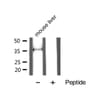
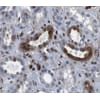
ITA1327
from
$526.00
Price in reward points: 526
- Catalog: ITA1327
- Gene/Protein: ANXA1
- Product Description: Immunotag™ Annexin I Antibody
-
Description
-
Specifications
Antibody Specification Datasheet 
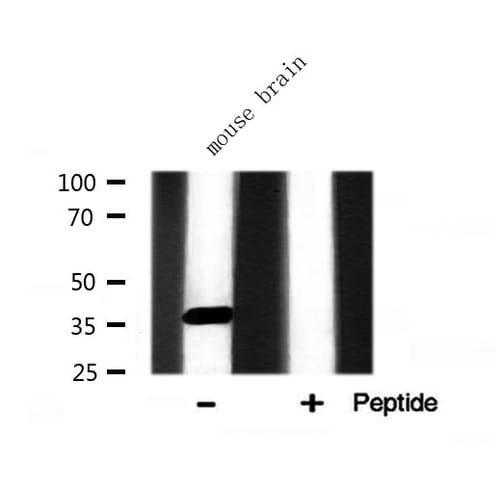
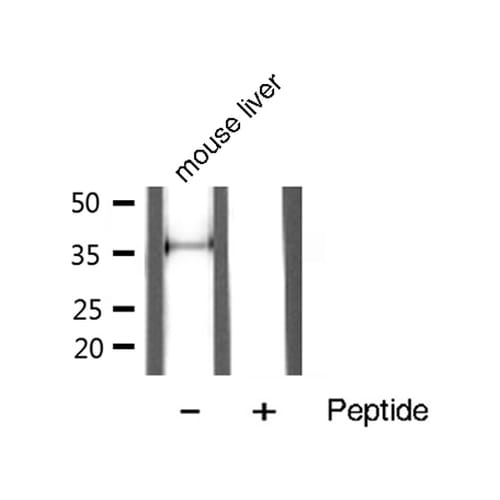
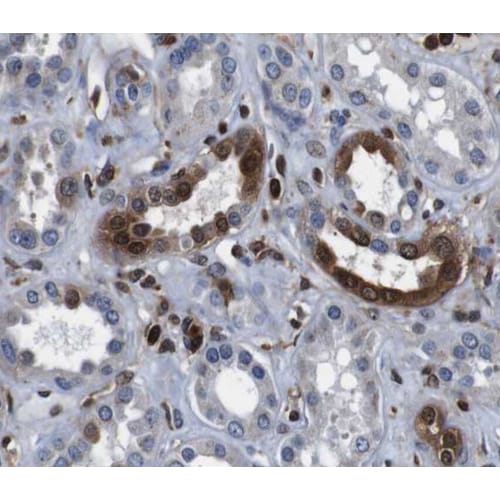
IMPORTANT NOTE This product is custom manufactured with a lead time of 3-4 weeks. Once in production, this item cannot be cancelled from an order and is not eligible for return. Target Protein Annexin I Clonality Polyclonal Storage/Stability -20°C/1 year Application WB,IHC,ELISA Recommended Dilution WB 1:500-1:2000 IHC 1:50-1:200 Concentration 1 mg/ml Reactive Species Human,Mouse,Rat Host Species Rabbit Immunogen A synthesized peptide derived from human Annexin I Specificity Annexin I Antibody detects endogenous levels of total Annexin I Purification The antiserum was purified by peptide affinity chromatography. Form Rabbit IgG in phosphate buffered saline , pH 7.4, 150mM NaCl, 0.02% sodium azide and 50% glycerol.Store at -20 °C.Stable for 12 months from date of receipt Gene Name ANXA1 Accession No. P04083 Alternate Names Annexin 1; Annexin A1; Annexin I (lipocortin I); Annexin I; Annexin-1; AnnexinA1; AnnexinI; ANX 1; ANX A1; ANX1; ANXA 1; ANXA1; ANXA1 protein; ANXA1_HUMAN; Calpactin 2; Calpactin II; Calpactin-2; CalpactinII; Chromobindin 9; Chromobindin-9; Chromobindin9; HGNC:533; Lipocortin 1; Lipocortin I; Lipocortin1; LipocortinI; LPC 1; LPC1; p35; Phospholipase A2 inhibitory protein; Description Plays important roles in the innate immune response as effector of glucocorticoid-mediated responses and regulator of the inflammatory process. Has anti-inflammatory activity (PubMed:8425544). Plays a role in glucocorticoid-mediated down-regulation of the early phase of the inflammatory response (By similarity). Promotes resolution of inflammation and wound healing (PubMed:25664854). Functions at least in part by activating the formyl peptide receptors and downstream signaling cascades (PubMed:15187149, PubMed:25664854). Promotes chemotaxis of granulocytes and monocytes via activation of the formyl peptide receptors (PubMed:15187149). Contributes to the adaptive immune response by enhancing signaling cascades that are triggered by T-cell activation, regulates differentiation and proliferation of activated T-cells (PubMed:17008549). Promotes the differentiation of T-cells into Th1 cells and negatively regulates differentiation into Th2 cells (PubMed:17008549). Has no effect on unstimulated T cells (PubMed:17008549). Promotes rearrangement of the actin cytoskeleton, cell polarization and cell migration (PubMed:15187149). Negatively regulates hormone exocytosis via activation of the formyl peptide receptors and reorganization of the actin cytoskeleton (PubMed:19625660). Has high affinity for Ca2+ and can bind up to eight Ca2+ ions (By similarity). Displays Ca2+-dependent binding to phospholipid membranes (PubMed:2532504, PubMed:8557678). Plays a role in the formation of phagocytic cups and phagosomes. Plays a role in phagocytosis by mediating the Ca2+-dependent interaction between phagosomes and the actin cytoskeleton (By similarity). Cell Pathway/ Category Primary Polyclonal Antibody Protein MW 38 kDa Usage For Research Use Only! Not for diagnostic or therapeutic procedures. - Reviews
| Antibody Specification | |
| Datasheet |
|
| IMPORTANT NOTE | This product is custom manufactured with a lead time of 3-4 weeks. Once in production, this item cannot be cancelled from an order and is not eligible for return. |
| Target Protein | Annexin I |
| Clonality | Polyclonal |
| Storage/Stability | -20°C/1 year |
| Application | WB,IHC,ELISA |
| Recommended Dilution | WB 1:500-1:2000 IHC 1:50-1:200 |
| Concentration | 1 mg/ml |
| Reactive Species | Human,Mouse,Rat |
| Host Species | Rabbit |
| Immunogen | A synthesized peptide derived from human Annexin I |
| Specificity | Annexin I Antibody detects endogenous levels of total Annexin I |
| Purification | The antiserum was purified by peptide affinity chromatography. |
| Form | Rabbit IgG in phosphate buffered saline , pH 7.4, 150mM NaCl, 0.02% sodium azide and 50% glycerol.Store at -20 °C.Stable for 12 months from date of receipt |
| Gene Name | ANXA1 |
| Accession No. | P04083 |
| Alternate Names | Annexin 1; Annexin A1; Annexin I (lipocortin I); Annexin I; Annexin-1; AnnexinA1; AnnexinI; ANX 1; ANX A1; ANX1; ANXA 1; ANXA1; ANXA1 protein; ANXA1_HUMAN; Calpactin 2; Calpactin II; Calpactin-2; CalpactinII; Chromobindin 9; Chromobindin-9; Chromobindin9; HGNC:533; Lipocortin 1; Lipocortin I; Lipocortin1; LipocortinI; LPC 1; LPC1; p35; Phospholipase A2 inhibitory protein; |
| Description | Plays important roles in the innate immune response as effector of glucocorticoid-mediated responses and regulator of the inflammatory process. Has anti-inflammatory activity (PubMed:8425544). Plays a role in glucocorticoid-mediated down-regulation of the early phase of the inflammatory response (By similarity). Promotes resolution of inflammation and wound healing (PubMed:25664854). Functions at least in part by activating the formyl peptide receptors and downstream signaling cascades (PubMed:15187149, PubMed:25664854). Promotes chemotaxis of granulocytes and monocytes via activation of the formyl peptide receptors (PubMed:15187149). Contributes to the adaptive immune response by enhancing signaling cascades that are triggered by T-cell activation, regulates differentiation and proliferation of activated T-cells (PubMed:17008549). Promotes the differentiation of T-cells into Th1 cells and negatively regulates differentiation into Th2 cells (PubMed:17008549). Has no effect on unstimulated T cells (PubMed:17008549). Promotes rearrangement of the actin cytoskeleton, cell polarization and cell migration (PubMed:15187149). Negatively regulates hormone exocytosis via activation of the formyl peptide receptors and reorganization of the actin cytoskeleton (PubMed:19625660). Has high affinity for Ca2+ and can bind up to eight Ca2+ ions (By similarity). Displays Ca2+-dependent binding to phospholipid membranes (PubMed:2532504, PubMed:8557678). Plays a role in the formation of phagocytic cups and phagosomes. Plays a role in phagocytosis by mediating the Ca2+-dependent interaction between phagosomes and the actin cytoskeleton (By similarity). |
| Cell Pathway/ Category | Primary Polyclonal Antibody |
| Protein MW | 38 kDa |
| Usage | For Research Use Only! Not for diagnostic or therapeutic procedures. |