

ITA1513
ITA1513


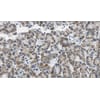
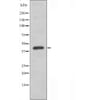
ITA1513
from
$526.00
Price in reward points: 526
- Catalog: ITA1513
- Gene/Protein: CD4
- Product Description: Immunotag™ CD4 Antibody
-
Description
-
Specifications
Antibody Specification Datasheet 
IMPORTANT NOTE This product is custom manufactured with a lead time of 3-4 weeks. Once in production, this item cannot be cancelled from an order and is not eligible for return. Target Protein CD4 Clonality Polyclonal Storage/Stability -20°C/1 year Application WB,IHC,ELISA Recommended Dilution WB 1:500-1:2000,IHC 1:50-1:200 Concentration 1 mg/ml Reactive Species Human Host Species Rabbit Immunogen A synthesized peptide derived from human CD4 Specificity CD4 Antibody detects endogenous levels of total CD4 Purification The antiserum was purified by peptide affinity chromatography. Form Rabbit IgG in phosphate buffered saline , pH 7.4, 150mM NaCl, 0.02% sodium azide and 50% glycerol.Store at -20 °C.Stable for 12 months from date of receipt Gene Name CD4 Accession No. P01730 Alternate Names CD 4; CD4 (L3T4); CD4; CD4 antigen (p55); CD4 antigen; CD4 molecule; CD4 receptor; CD4+ Lymphocyte deficiency, included; CD4_HUMAN; CD4mut; L3T4; Leu3; Ly-4; Lymphocyte antigen CD4; MGC165891; OTTHUMP00000238897; p55; T cell antigen T4; T cell antigen T4/LEU3; T cell differentiation antigen L3T4; T cell OKT4 deficiency, included; T cell surface antigen T4/Leu 3; T cell surface antigen T4/Leu3; T cell surface glycoprotein CD4; T-cell surface antigen T4/Leu-3; T-cell surface glycoprotein CD4; W3/25; W3/25 antigen; Description Integral membrane glycoprotein that plays an essential role in the immune response and serves multiple functions in responses against both external and internal offenses. In T-cells, functions primarily as a coreceptor for MHC class II molecule:peptide complex. The antigens presented by class II peptides are derived from extracellular proteins while class I peptides are derived from cytosolic proteins. Interacts simultaneously with the T-cell receptor (TCR) and the MHC class II presented by antigen presenting cells (APCs). In turn, recruits the Src kinase LCK to the vicinity of the TCR-CD3 complex. LCK then initiates different intracellular signaling pathways by phosphorylating various substrates ultimately leading to lymphokine production, motility, adhesion and activation of T-helper cells. In other cells such as macrophages or NK cells, plays a role in differentiation/activation, cytokine expression and cell migration in a TCR/LCK-independent pathway. Participates in the development of T-helper cells in the thymus and triggers the differentiation of monocytes into functional mature macrophages. Cell Pathway/ Category Primary Polyclonal Antibody Protein MW 48 kDa Usage For Research Use Only! Not for diagnostic or therapeutic procedures. - Reviews
| Antibody Specification | |
| Datasheet |
|
| IMPORTANT NOTE | This product is custom manufactured with a lead time of 3-4 weeks. Once in production, this item cannot be cancelled from an order and is not eligible for return. |
| Target Protein | CD4 |
| Clonality | Polyclonal |
| Storage/Stability | -20°C/1 year |
| Application | WB,IHC,ELISA |
| Recommended Dilution | WB 1:500-1:2000,IHC 1:50-1:200 |
| Concentration | 1 mg/ml |
| Reactive Species | Human |
| Host Species | Rabbit |
| Immunogen | A synthesized peptide derived from human CD4 |
| Specificity | CD4 Antibody detects endogenous levels of total CD4 |
| Purification | The antiserum was purified by peptide affinity chromatography. |
| Form | Rabbit IgG in phosphate buffered saline , pH 7.4, 150mM NaCl, 0.02% sodium azide and 50% glycerol.Store at -20 °C.Stable for 12 months from date of receipt |
| Gene Name | CD4 |
| Accession No. | P01730 |
| Alternate Names | CD 4; CD4 (L3T4); CD4; CD4 antigen (p55); CD4 antigen; CD4 molecule; CD4 receptor; CD4+ Lymphocyte deficiency, included; CD4_HUMAN; CD4mut; L3T4; Leu3; Ly-4; Lymphocyte antigen CD4; MGC165891; OTTHUMP00000238897; p55; T cell antigen T4; T cell antigen T4/LEU3; T cell differentiation antigen L3T4; T cell OKT4 deficiency, included; T cell surface antigen T4/Leu 3; T cell surface antigen T4/Leu3; T cell surface glycoprotein CD4; T-cell surface antigen T4/Leu-3; T-cell surface glycoprotein CD4; W3/25; W3/25 antigen; |
| Description | Integral membrane glycoprotein that plays an essential role in the immune response and serves multiple functions in responses against both external and internal offenses. In T-cells, functions primarily as a coreceptor for MHC class II molecule:peptide complex. The antigens presented by class II peptides are derived from extracellular proteins while class I peptides are derived from cytosolic proteins. Interacts simultaneously with the T-cell receptor (TCR) and the MHC class II presented by antigen presenting cells (APCs). In turn, recruits the Src kinase LCK to the vicinity of the TCR-CD3 complex. LCK then initiates different intracellular signaling pathways by phosphorylating various substrates ultimately leading to lymphokine production, motility, adhesion and activation of T-helper cells. In other cells such as macrophages or NK cells, plays a role in differentiation/activation, cytokine expression and cell migration in a TCR/LCK-independent pathway. Participates in the development of T-helper cells in the thymus and triggers the differentiation of monocytes into functional mature macrophages. |
| Cell Pathway/ Category | Primary Polyclonal Antibody |
| Protein MW | 48 kDa |
| Usage | For Research Use Only! Not for diagnostic or therapeutic procedures. |