

ITA1611
ITA1611
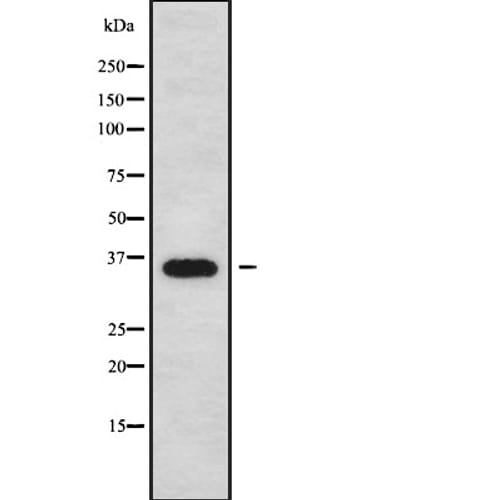
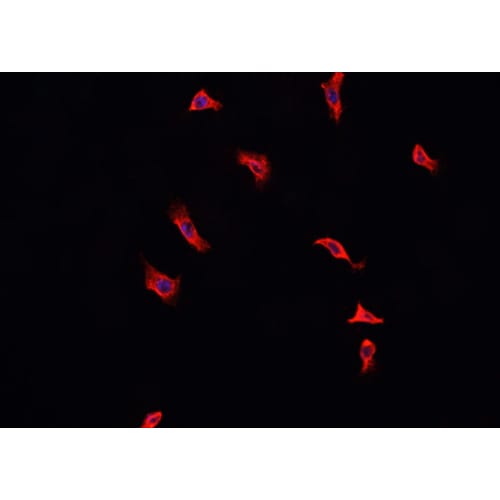
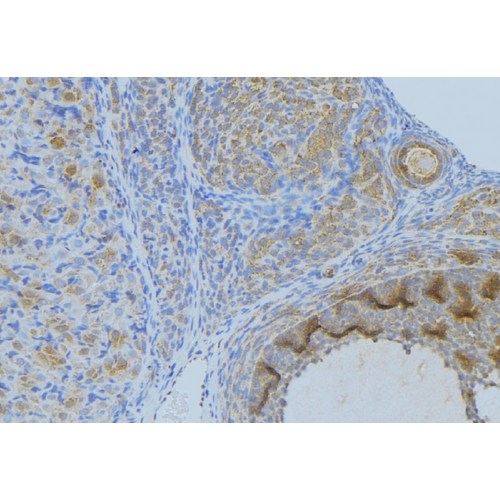
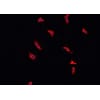
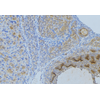
ITA1611
from
$526.00
Price in reward points: 526
- Catalog: ITA1611
- Gene/Protein: ANXA2
- Product Description: Immunotag™ ANXA2 (Phospho-Ser26) Antibody
-
Description
-
Specifications
Antibody Specification Datasheet 
IMPORTANT NOTE This product is custom manufactured with a lead time of 3-4 weeks. Once in production, this item cannot be cancelled from an order and is not eligible for return. Target Protein ANXA2 (Phospho-Ser26) Clonality Polyclonal Storage/Stability -20°C/1 year Application WB,IHC,IF/ICC,ELISA Recommended Dilution WB 1:500-1:2000,IHC 1:50-1:200,IF 1:100-1:500 Concentration 1 mg/ml Reactive Species Human,Mouse,Rat Host Species Rabbit Immunogen A synthesized peptide derived from human ANXA2 (Phospho-Ser26) Specificity ANXA2 (Phospho-Ser26) Antibody detects endogenous levels of total ANXA2 (Phospho-Ser26) Purification The antibody is from purified rabbit serum by affinity purification via sequential chromatography on phospho- and non-phospho-peptide affinity columns. Form Rabbit IgG in phosphate buffered saline , pH 7.4, 150mM NaCl, 0.02% sodium azide and 50% glycerol.Store at -20 °C.Stable for 12 months from date of receipt Gene Name ANXA2 Accession No. P07355 Alternate Names Annexin A2; Annexin II; Annexin II, heavy chain; Annexin-2; ANX 2; ANX2; ANX2L4; ANXA2; ANXA2_HUMAN; arylsulfatase B; CAL1H; Calpactin I heavy chain; calpactin I heavy polypeptide (p36); Calpactin I heavy polypeptide; Calpactin-1 heavy chain; chromobindin 8; Chromobindin-8; Epididymis secretory protein Li 270; HEL S 270; LIP2; Lipocortin II; LPC2; LPC2D; p36; P36 protein; PAP-IV; Placental anticoagulant protein IV; Protein I; Description Calcium-regulated membrane-binding protein whose affinity for calcium is greatly enhanced by anionic phospholipids. It binds two calcium ions with high affinity. May be involved in heat-stress response. Inhibits PCSK9-enhanced LDLR degradation, probably reduces PCSK9 protein levels via a translational mechanism but also competes with LDLR for binding with PCSK9 (PubMed:18799458, PubMed:24808179, PubMed:22848640). Cell Pathway/ Category Primary Polyclonal Antibody Protein MW 37 kDa Usage For Research Use Only! Not for diagnostic or therapeutic procedures. - Reviews
| Antibody Specification | |
| Datasheet |
|
| IMPORTANT NOTE | This product is custom manufactured with a lead time of 3-4 weeks. Once in production, this item cannot be cancelled from an order and is not eligible for return. |
| Target Protein | ANXA2 (Phospho-Ser26) |
| Clonality | Polyclonal |
| Storage/Stability | -20°C/1 year |
| Application | WB,IHC,IF/ICC,ELISA |
| Recommended Dilution | WB 1:500-1:2000,IHC 1:50-1:200,IF 1:100-1:500 |
| Concentration | 1 mg/ml |
| Reactive Species | Human,Mouse,Rat |
| Host Species | Rabbit |
| Immunogen | A synthesized peptide derived from human ANXA2 (Phospho-Ser26) |
| Specificity | ANXA2 (Phospho-Ser26) Antibody detects endogenous levels of total ANXA2 (Phospho-Ser26) |
| Purification | The antibody is from purified rabbit serum by affinity purification via sequential chromatography on phospho- and non-phospho-peptide affinity columns. |
| Form | Rabbit IgG in phosphate buffered saline , pH 7.4, 150mM NaCl, 0.02% sodium azide and 50% glycerol.Store at -20 °C.Stable for 12 months from date of receipt |
| Gene Name | ANXA2 |
| Accession No. | P07355 |
| Alternate Names | Annexin A2; Annexin II; Annexin II, heavy chain; Annexin-2; ANX 2; ANX2; ANX2L4; ANXA2; ANXA2_HUMAN; arylsulfatase B; CAL1H; Calpactin I heavy chain; calpactin I heavy polypeptide (p36); Calpactin I heavy polypeptide; Calpactin-1 heavy chain; chromobindin 8; Chromobindin-8; Epididymis secretory protein Li 270; HEL S 270; LIP2; Lipocortin II; LPC2; LPC2D; p36; P36 protein; PAP-IV; Placental anticoagulant protein IV; Protein I; |
| Description | Calcium-regulated membrane-binding protein whose affinity for calcium is greatly enhanced by anionic phospholipids. It binds two calcium ions with high affinity. May be involved in heat-stress response. Inhibits PCSK9-enhanced LDLR degradation, probably reduces PCSK9 protein levels via a translational mechanism but also competes with LDLR for binding with PCSK9 (PubMed:18799458, PubMed:24808179, PubMed:22848640). |
| Cell Pathway/ Category | Primary Polyclonal Antibody |
| Protein MW | 37 kDa |
| Usage | For Research Use Only! Not for diagnostic or therapeutic procedures. |