

ITA2778
ITA2778
ITA2778
from
$526.00
Price in reward points: 526
- Catalog: ITA2778
- Gene/Protein: NLRX1
- Product Description: Immunotag™ NLRX1 Antibody
-
Description
-
Specifications
Antibody Specification Datasheet 
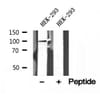
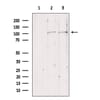
IMPORTANT NOTE This product is custom manufactured with a lead time of 3-4 weeks. Once in production, this item cannot be cancelled from an order and is not eligible for return. Target Protein NLRX1 Clonality Polyclonal Storage/Stability -20°C/1 year Application WB,IHC Recommended Dilution WB 1:500-1:2000, IHC 1:50-1:200 Concentration 1 mg/ml Reactive Species Human,Mouse Host Species Rabbit Immunogen A synthesized peptide derived from human NLRX1. Specificity NLRX1 antibody detects endogenous levels of NLRX1. Purification The antiserum was purified by peptide affinity chromatography. Form Rabbit IgG in phosphate buffered saline , pH 7.4, 150mM NaCl, 0.02% sodium azide and 50% glycerol.Store at -20 °C.Stable for 12 months from date of receipt Gene Name NLRX1 Accession No. Q86UT6 Alternate Names Caterpiller protein 11.3; CLR11.3; DLNB26; FLJ21478; MGC131937; MGC21025; NLR family member X1; NLR family, X1; Nlrx1; NLRX1_HUMAN; NOD-like receptor X1; NOD26; NOD5; NOD9; Nucleotide-binding oligomerization domain protein 26; Nucleotide-binding oligomerization domain protein 5; Nucleotide-binding oligomerization domain protein 9; nucleotide-binding oligomerization domain, leucine rich repeat containing X1; Protein Caterpiller 11.3; Description Participates in antiviral signaling. Acts as a negative regulator of MAVS-mediated antiviral responses, through the inhibition of the virus-induced RLH (RIG-like helicase)-MAVS interaction (PubMed:18200010). Instead, promotes autophagy by interacting with TUFM and subsequently recruiting the autophagy-related proteins ATG5 and ATG12 (PubMed:22749352). Regulates also MAVS-dependent NLRP3 inflammasome activation to attenuate apoptosis (PubMed:27393910). Has no inhibitory function on NF-kappa-B signaling pathway, but enhances NF-kappa-B and JUN N-terminal kinase dependent signaling through the production of reactive oxygen species (PubMed:18219313). Cell Pathway/ Category Primary Polyclonal Antibody Protein MW 100-110 kDa Usage For Research Use Only! Not for diagnostic or therapeutic procedures. - Reviews
| Antibody Specification | |
| Datasheet |
|
| IMPORTANT NOTE | This product is custom manufactured with a lead time of 3-4 weeks. Once in production, this item cannot be cancelled from an order and is not eligible for return. |
| Target Protein | NLRX1 |
| Clonality | Polyclonal |
| Storage/Stability | -20°C/1 year |
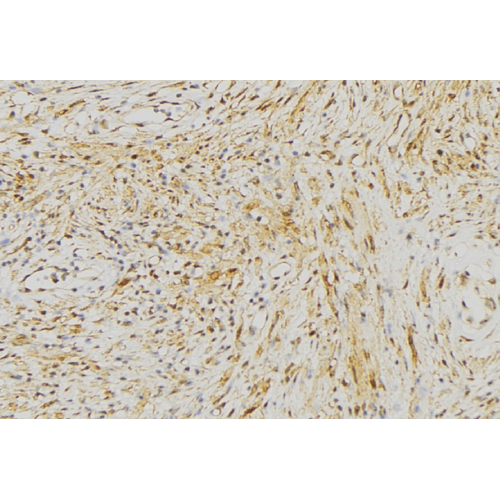
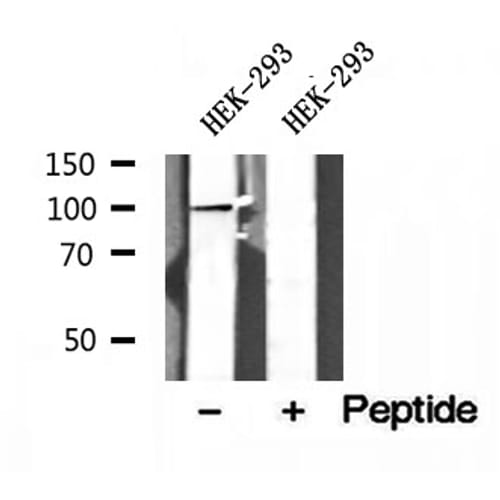
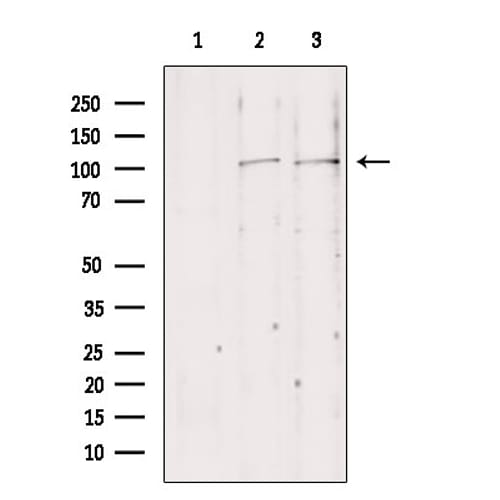
| Application | WB,IHC |
| Recommended Dilution | WB 1:500-1:2000, IHC 1:50-1:200 |
| Concentration | 1 mg/ml |
| Reactive Species | Human,Mouse |
| Host Species | Rabbit |
| Immunogen | A synthesized peptide derived from human NLRX1. |
| Specificity | NLRX1 antibody detects endogenous levels of NLRX1. |
| Purification | The antiserum was purified by peptide affinity chromatography. |
| Form | Rabbit IgG in phosphate buffered saline , pH 7.4, 150mM NaCl, 0.02% sodium azide and 50% glycerol.Store at -20 °C.Stable for 12 months from date of receipt |
| Gene Name | NLRX1 |
| Accession No. | Q86UT6 |
| Alternate Names | Caterpiller protein 11.3; CLR11.3; DLNB26; FLJ21478; MGC131937; MGC21025; NLR family member X1; NLR family, X1; Nlrx1; NLRX1_HUMAN; NOD-like receptor X1; NOD26; NOD5; NOD9; Nucleotide-binding oligomerization domain protein 26; Nucleotide-binding oligomerization domain protein 5; Nucleotide-binding oligomerization domain protein 9; nucleotide-binding oligomerization domain, leucine rich repeat containing X1; Protein Caterpiller 11.3; |
| Description | Participates in antiviral signaling. Acts as a negative regulator of MAVS-mediated antiviral responses, through the inhibition of the virus-induced RLH (RIG-like helicase)-MAVS interaction (PubMed:18200010). Instead, promotes autophagy by interacting with TUFM and subsequently recruiting the autophagy-related proteins ATG5 and ATG12 (PubMed:22749352). Regulates also MAVS-dependent NLRP3 inflammasome activation to attenuate apoptosis (PubMed:27393910). Has no inhibitory function on NF-kappa-B signaling pathway, but enhances NF-kappa-B and JUN N-terminal kinase dependent signaling through the production of reactive oxygen species (PubMed:18219313). |
| Cell Pathway/ Category | Primary Polyclonal Antibody |
| Protein MW | 100-110 kDa |
| Usage | For Research Use Only! Not for diagnostic or therapeutic procedures. |