

ITA3202
ITA3202
ITA3202
from
$526.00
Price in reward points: 526
- Catalog: ITA3202
- Gene/Protein: CCL20
- Product Description: Immunotag™ CCL20 Antibody
-
Description
-
Specifications
Antibody Specification Datasheet 
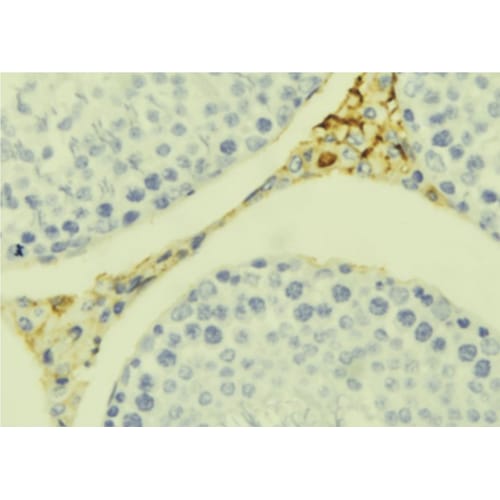
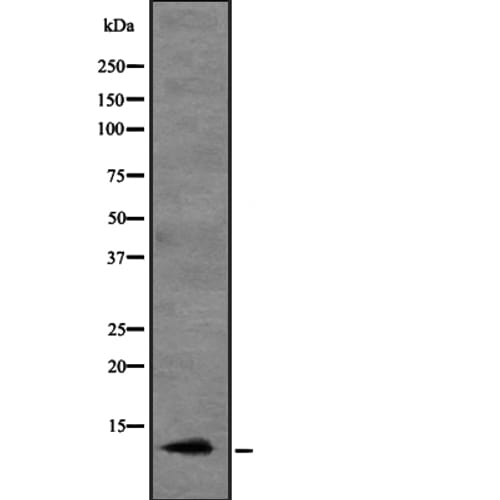
IMPORTANT NOTE This product is custom manufactured with a lead time of 3-4 weeks. Once in production, this item cannot be cancelled from an order and is not eligible for return. Target Protein CCL20 Clonality Polyclonal Storage/Stability -20°C/1 year Application WB,IHC,ELISA Recommended Dilution WB 1:500-1:2000 IHC 1:50-1:200 Concentration 1 mg/ml Reactive Species Human,Mouse Host Species Rabbit Immunogen A synthesized peptide Specificity CCL20 antibody detects endogenous levels of total CCL20 Purification The antiserum was purified by peptide affinity chromatography. Form Rabbit IgG in phosphate buffered saline, pH 7.4, 150mM NaCl, 0.02% sodium azide and 50% glycerol. Gene Name CCL20 Accession No. P78556 Alternate Names Beta-chemokine exodus-1; C C motif chemokine ligand 20; C-C motif chemokine 20; CC chemokine LARC; Ccl20; CCL20(2-70); CCL20_HUMAN; Chemokine (C C motif) ligand 20; Chemokine CC motif ligand 20; CKb4; Exodus 1; Exodus; LARC; Liver and activation-regulated chemokine; Macrophage inflammatory protein 3 alpha; MIP 3 alpha; MIP 3A; MIP-3-alpha; MIP-3a; MIP3A; SCYA20; Small inducible cytokine A20; Small inducible cytokine subfamily A (Cys Cys) member 20; Small-inducible cytokine A20; ST38; Description Acts as a ligand for C-C chemokine receptor CCR6. Signals through binding and activation of CCR6 and induces a strong chemotactic response and mobilization of intracellular calcium ions (PubMed:11352563, PubMed:11035086, PubMed:20068036). The ligand-receptor pair CCL20-CCR6 is responsible for the chemotaxis of dendritic cells (DC), effector/memory T-cells and B-cells and plays an important role at skin and mucosal surfaces under homeostatic and inflammatory conditions, as well as in pathology, including cancer and various autoimmune diseases (PubMed:21376174). CCL20 acts as a chemotactic factor that attracts lymphocytes and, slightly, neutrophils, but not monocytes (PubMed:9038201, PubMed:11352563). Involved in the recruitment of both the proinflammatory IL17 producing helper T-cells (Th17) and the regulatory T-cells (Treg) to sites of inflammation. Required for optimal migration of thymic natural regulatory T cells (nTregs) and DN1 early thymocyte progenitor cells (By similarity). C-terminal processed forms have been shown to be equally chemotactically active for leukocytes (PubMed:11035086). Positively regulates sperm motility and chemotaxis via its binding to CCR6 which triggers Ca2+ mobilization in the sperm which is important for its motility (PubMed:23765988, PubMed:25122636). Inhibits proliferation of myeloid progenitors in colony formation assays (PubMed:9129037). May be involved in formation and function of the mucosal lymphoid tissues by attracting lymphocytes and dendritic cells towards epithelial cells (By similarity). Possesses antibacterial activity towards E.coli ATCC 25922 and S.aureus ATCC 29213 (PubMed:12149255). Cell Pathway/ Category Primary Polyclonal Antibody Protein MW 11 kDa Usage For Research Use Only! Not for diagnostic or therapeutic procedures. - Reviews
| Antibody Specification | |
| Datasheet |
|
| IMPORTANT NOTE | This product is custom manufactured with a lead time of 3-4 weeks. Once in production, this item cannot be cancelled from an order and is not eligible for return. |
| Target Protein | CCL20 |
| Clonality | Polyclonal |
| Storage/Stability | -20°C/1 year |
| Application | WB,IHC,ELISA |
| Recommended Dilution | WB 1:500-1:2000 IHC 1:50-1:200 |
| Concentration | 1 mg/ml |
| Reactive Species | Human,Mouse |
| Host Species | Rabbit |
| Immunogen | A synthesized peptide |
| Specificity | CCL20 antibody detects endogenous levels of total CCL20 |
| Purification | The antiserum was purified by peptide affinity chromatography. |
| Form | Rabbit IgG in phosphate buffered saline, pH 7.4, 150mM NaCl, 0.02% sodium azide and 50% glycerol. |
| Gene Name | CCL20 |
| Accession No. | P78556 |
| Alternate Names | Beta-chemokine exodus-1; C C motif chemokine ligand 20; C-C motif chemokine 20; CC chemokine LARC; Ccl20; CCL20(2-70); CCL20_HUMAN; Chemokine (C C motif) ligand 20; Chemokine CC motif ligand 20; CKb4; Exodus 1; Exodus; LARC; Liver and activation-regulated chemokine; Macrophage inflammatory protein 3 alpha; MIP 3 alpha; MIP 3A; MIP-3-alpha; MIP-3a; MIP3A; SCYA20; Small inducible cytokine A20; Small inducible cytokine subfamily A (Cys Cys) member 20; Small-inducible cytokine A20; ST38; |
| Description | Acts as a ligand for C-C chemokine receptor CCR6. Signals through binding and activation of CCR6 and induces a strong chemotactic response and mobilization of intracellular calcium ions (PubMed:11352563, PubMed:11035086, PubMed:20068036). The ligand-receptor pair CCL20-CCR6 is responsible for the chemotaxis of dendritic cells (DC), effector/memory T-cells and B-cells and plays an important role at skin and mucosal surfaces under homeostatic and inflammatory conditions, as well as in pathology, including cancer and various autoimmune diseases (PubMed:21376174). CCL20 acts as a chemotactic factor that attracts lymphocytes and, slightly, neutrophils, but not monocytes (PubMed:9038201, PubMed:11352563). Involved in the recruitment of both the proinflammatory IL17 producing helper T-cells (Th17) and the regulatory T-cells (Treg) to sites of inflammation. Required for optimal migration of thymic natural regulatory T cells (nTregs) and DN1 early thymocyte progenitor cells (By similarity). C-terminal processed forms have been shown to be equally chemotactically active for leukocytes (PubMed:11035086). Positively regulates sperm motility and chemotaxis via its binding to CCR6 which triggers Ca2+ mobilization in the sperm which is important for its motility (PubMed:23765988, PubMed:25122636). Inhibits proliferation of myeloid progenitors in colony formation assays (PubMed:9129037). May be involved in formation and function of the mucosal lymphoid tissues by attracting lymphocytes and dendritic cells towards epithelial cells (By similarity). Possesses antibacterial activity towards E.coli ATCC 25922 and S.aureus ATCC 29213 (PubMed:12149255). |
| Cell Pathway/ Category | Primary Polyclonal Antibody |
| Protein MW | 11 kDa |
| Usage | For Research Use Only! Not for diagnostic or therapeutic procedures. |