

ITA3616
ITA3616
ITA3616
from
$526.00
Price in reward points: 526
- Catalog: ITA3616
- Gene/Protein: PRKCI
- Product Description: Immunotag™ PRKCI Antibody
-
Description
-
Specifications
Antibody Specification Datasheet 
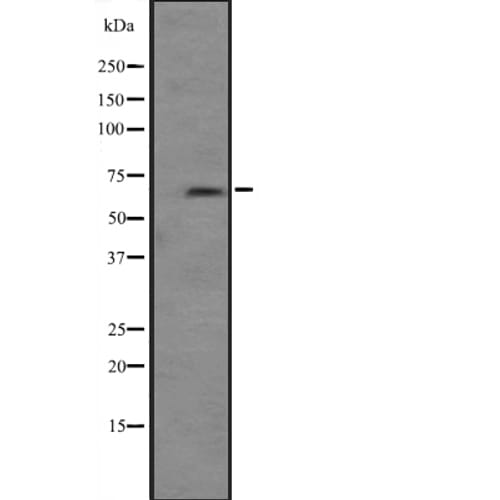
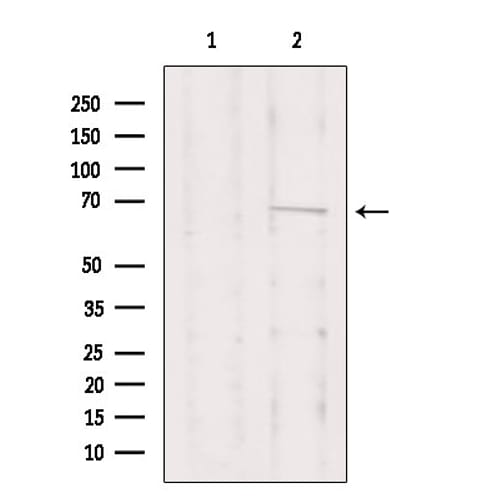
IMPORTANT NOTE This product is custom manufactured with a lead time of 3-4 weeks. Once in production, this item cannot be cancelled from an order and is not eligible for return. Target Protein PRKCI Clonality Polyclonal Storage/Stability -20°C/1 year Application WB,ELISA Recommended Dilution WB 1:500-1:2000 Concentration 1 mg/ml Reactive Species Human,Mouse,Rat Host Species Rabbit Immunogen A synthesized peptide Specificity PRKCI antibody detects endogenous levels of total PRKCI Purification The antiserum was purified by peptide affinity chromatography. Form Rabbit IgG in phosphate buffered saline, pH 7.4, 150mM NaCl, 0.02% sodium azide and 50% glycerol. Gene Name PRKCI Accession No. P41743 Alternate Names aPKC lambda/iota; aPKC-lambda/iota; Atypical protein kinase C lambda/iota; Atypical protein kinase C-lambda/iota; DXS1179E; KPCI_HUMAN; MGC26534; nPKC iota; nPKC-iota; nPKCiota; PKC lambda; PKC lambda/iota; PKCI; PKCiota; PKClambda; PRKC iota; PRKC lambda/iota; PRKC-lambda/iota; PRKCI; Protein kinase C iota; Protein kinase C iota type; Description Calcium- and diacylglycerol-independent serine/ threonine-protein kinase that plays a general protective role against apoptotic stimuli, is involved in NF-kappa-B activation, cell survival, differentiation and polarity, and contributes to the regulation of microtubule dynamics in the early secretory pathway. Is necessary for BCR-ABL oncogene-mediated resistance to apoptotic drug in leukemia cells, protecting leukemia cells against drug-induced apoptosis. In cultured neurons, prevents amyloid beta protein-induced apoptosis by interrupting cell death process at a very early step. In glioblastoma cells, may function downstream of phosphatidylinositol 3-kinase (PI3K) and PDPK1 in the promotion of cell survival by phosphorylating and inhibiting the pro-apoptotic factor BAD. Can form a protein complex in non-small cell lung cancer (NSCLC) cells with PARD6A and ECT2 and regulate ECT2 oncogenic activity by phosphorylation, which in turn promotes transformed growth and invasion. In response to nerve growth factor (NGF), acts downstream of SRC to phosphorylate and activate IRAK1, allowing the subsequent activation of NF-kappa-B and neuronal cell survival. Functions in the organization of the apical domain in epithelial cells by phosphorylating EZR. This step is crucial for activation and normal distribution of EZR at the early stages of intestinal epithelial cell differentiation. Forms a protein complex with LLGL1 and PARD6B independently of PARD3 to regulate epithelial cell polarity. Plays a role in microtubule dynamics in the early secretory pathway through interaction with RAB2A and GAPDH and recruitment to vesicular tubular clusters (VTCs). In human coronary artery endothelial cells (HCAEC), is activated by saturated fatty acids and mediates lipid-induced apoptosis. Cell Pathway/ Category Primary Polyclonal Antibody Protein MW 68 kDa Usage For Research Use Only! Not for diagnostic or therapeutic procedures. - Reviews
| Antibody Specification | |
| Datasheet |
|
| IMPORTANT NOTE | This product is custom manufactured with a lead time of 3-4 weeks. Once in production, this item cannot be cancelled from an order and is not eligible for return. |
| Target Protein | PRKCI |
| Clonality | Polyclonal |
| Storage/Stability | -20°C/1 year |
| Application | WB,ELISA |
| Recommended Dilution | WB 1:500-1:2000 |
| Concentration | 1 mg/ml |
| Reactive Species | Human,Mouse,Rat |
| Host Species | Rabbit |
| Immunogen | A synthesized peptide |
| Specificity | PRKCI antibody detects endogenous levels of total PRKCI |
| Purification | The antiserum was purified by peptide affinity chromatography. |
| Form | Rabbit IgG in phosphate buffered saline, pH 7.4, 150mM NaCl, 0.02% sodium azide and 50% glycerol. |
| Gene Name | PRKCI |
| Accession No. | P41743 |
| Alternate Names | aPKC lambda/iota; aPKC-lambda/iota; Atypical protein kinase C lambda/iota; Atypical protein kinase C-lambda/iota; DXS1179E; KPCI_HUMAN; MGC26534; nPKC iota; nPKC-iota; nPKCiota; PKC lambda; PKC lambda/iota; PKCI; PKCiota; PKClambda; PRKC iota; PRKC lambda/iota; PRKC-lambda/iota; PRKCI; Protein kinase C iota; Protein kinase C iota type; |
| Description | Calcium- and diacylglycerol-independent serine/ threonine-protein kinase that plays a general protective role against apoptotic stimuli, is involved in NF-kappa-B activation, cell survival, differentiation and polarity, and contributes to the regulation of microtubule dynamics in the early secretory pathway. Is necessary for BCR-ABL oncogene-mediated resistance to apoptotic drug in leukemia cells, protecting leukemia cells against drug-induced apoptosis. In cultured neurons, prevents amyloid beta protein-induced apoptosis by interrupting cell death process at a very early step. In glioblastoma cells, may function downstream of phosphatidylinositol 3-kinase (PI3K) and PDPK1 in the promotion of cell survival by phosphorylating and inhibiting the pro-apoptotic factor BAD. Can form a protein complex in non-small cell lung cancer (NSCLC) cells with PARD6A and ECT2 and regulate ECT2 oncogenic activity by phosphorylation, which in turn promotes transformed growth and invasion. In response to nerve growth factor (NGF), acts downstream of SRC to phosphorylate and activate IRAK1, allowing the subsequent activation of NF-kappa-B and neuronal cell survival. Functions in the organization of the apical domain in epithelial cells by phosphorylating EZR. This step is crucial for activation and normal distribution of EZR at the early stages of intestinal epithelial cell differentiation. Forms a protein complex with LLGL1 and PARD6B independently of PARD3 to regulate epithelial cell polarity. Plays a role in microtubule dynamics in the early secretory pathway through interaction with RAB2A and GAPDH and recruitment to vesicular tubular clusters (VTCs). In human coronary artery endothelial cells (HCAEC), is activated by saturated fatty acids and mediates lipid-induced apoptosis. |
| Cell Pathway/ Category | Primary Polyclonal Antibody |
| Protein MW | 68 kDa |
| Usage | For Research Use Only! Not for diagnostic or therapeutic procedures. |