

ITA4423
ITA4423
ITA4423
from
$526.00
Price in reward points: 526
- Catalog: ITA4423
- Gene/Protein: ACKR4
- Product Description: Immunotag™ CCRL1 Antibody
-
Description
-
Specifications
Antibody Specification Datasheet 
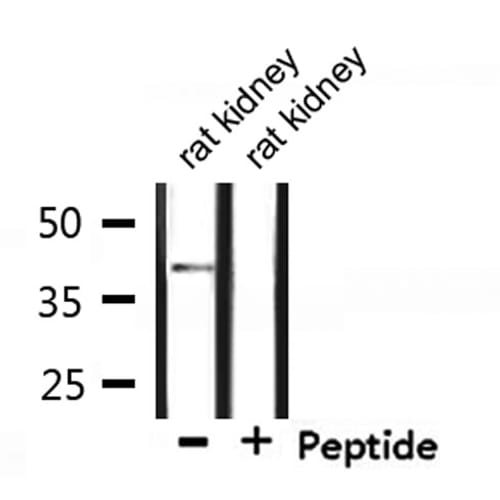
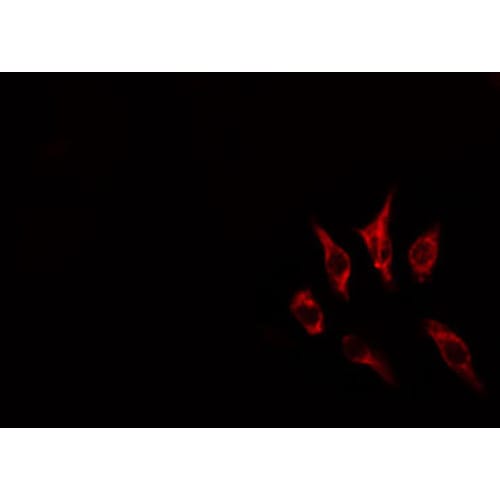
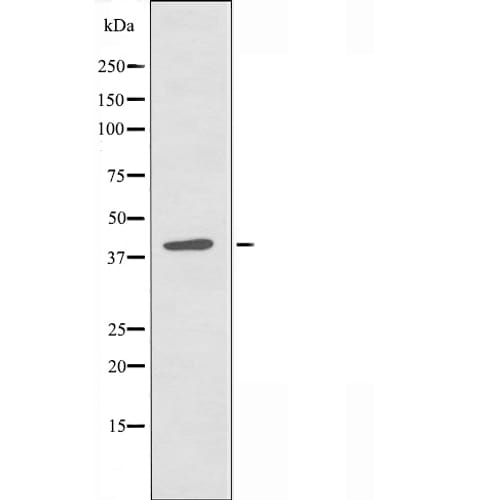
IMPORTANT NOTE This product is custom manufactured with a lead time of 3-4 weeks. Once in production, this item cannot be cancelled from an order and is not eligible for return. Target Protein CCRL1 Clonality Polyclonal Storage/Stability -20°C/1 year Application WB,IF/ICC,ELISA Recommended Dilution WB 1:500~1:1000 IF/ICC 1:100-1:500 Concentration 1 mg/ml Reactive Species Human,Mouse,Rat Host Species Rabbit Immunogen A synthesized peptide Specificity CCRL1 Antibody detects endogenous levels of total CCRL1 Purification The antiserum was purified by peptide affinity chromatography. Form Rabbit IgG in phosphate buffered saline , pH 7.4, 150mM NaCl, 0.02% sodium azide and 50% glycerol.Store at -20 °C.Stable for 12 months from date of receipt Gene Name ACKR4 Accession No. Q9NPB9 Alternate Names ACKR4; Atypical chemokine receptor 4; C C chemokine receptor type 11; C-C chemokine receptor type 11; C-C CKR-11; CC chemokine receptor like 1; CC chemokine receptor-like 1; CC CKR 11; CC-CKR-11; CCBP2; CCCKR11; CCR 11; CCR-11; CCR10; CCRL1; CCRL1_HUMAN; CCX CKR; Chemocentryx chemokine receptor; Chemokine (C C motif) receptor like 1; Chemokine cc motif receptor like protein 1; Chemokine receptor like 1; CKR11; CKRB; Orphan seven transmembrane receptor chemokine related; PPR1; VSHK1; Description Atypical chemokine receptor that controls chemokine levels and localization via high-affinity chemokine binding that is uncoupled from classic ligand-driven signal transduction cascades, resulting instead in chemokine sequestration, degradation, or transcytosis. Also known as interceptor (internalizing receptor) or chemokine-scavenging receptor or chemokine decoy receptor. Acts as a receptor for chemokines CCL2, CCL8, CCL13, CCL19, CCL21 and CCL25. Chemokine-binding does not activate G-protein-mediated signal transduction but instead induces beta-arrestin recruitment, leading to ligand internalization. Plays an important role in controlling the migration of immune and cancer cells that express chemokine receptors CCR7 and CCR9, by reducing the availability of CCL19, CCL21, and CCL25 through internalization. Negatively regulates CXCR3-induced chemotaxis. Regulates T-cell development in the thymus. Cell Pathway/ Category Primary Polyclonal Antibody Protein MW 40 KD Usage For Research Use Only! Not for diagnostic or therapeutic procedures. - Reviews
| Antibody Specification | |
| Datasheet |
|
| IMPORTANT NOTE | This product is custom manufactured with a lead time of 3-4 weeks. Once in production, this item cannot be cancelled from an order and is not eligible for return. |
| Target Protein | CCRL1 |
| Clonality | Polyclonal |
| Storage/Stability | -20°C/1 year |
| Application | WB,IF/ICC,ELISA |
| Recommended Dilution | WB 1:500~1:1000 IF/ICC 1:100-1:500 |
| Concentration | 1 mg/ml |
| Reactive Species | Human,Mouse,Rat |
| Host Species | Rabbit |
| Immunogen | A synthesized peptide |
| Specificity | CCRL1 Antibody detects endogenous levels of total CCRL1 |
| Purification | The antiserum was purified by peptide affinity chromatography. |
| Form | Rabbit IgG in phosphate buffered saline , pH 7.4, 150mM NaCl, 0.02% sodium azide and 50% glycerol.Store at -20 °C.Stable for 12 months from date of receipt |
| Gene Name | ACKR4 |
| Accession No. | Q9NPB9 |
| Alternate Names | ACKR4; Atypical chemokine receptor 4; C C chemokine receptor type 11; C-C chemokine receptor type 11; C-C CKR-11; CC chemokine receptor like 1; CC chemokine receptor-like 1; CC CKR 11; CC-CKR-11; CCBP2; CCCKR11; CCR 11; CCR-11; CCR10; CCRL1; CCRL1_HUMAN; CCX CKR; Chemocentryx chemokine receptor; Chemokine (C C motif) receptor like 1; Chemokine cc motif receptor like protein 1; Chemokine receptor like 1; CKR11; CKRB; Orphan seven transmembrane receptor chemokine related; PPR1; VSHK1; |
| Description | Atypical chemokine receptor that controls chemokine levels and localization via high-affinity chemokine binding that is uncoupled from classic ligand-driven signal transduction cascades, resulting instead in chemokine sequestration, degradation, or transcytosis. Also known as interceptor (internalizing receptor) or chemokine-scavenging receptor or chemokine decoy receptor. Acts as a receptor for chemokines CCL2, CCL8, CCL13, CCL19, CCL21 and CCL25. Chemokine-binding does not activate G-protein-mediated signal transduction but instead induces beta-arrestin recruitment, leading to ligand internalization. Plays an important role in controlling the migration of immune and cancer cells that express chemokine receptors CCR7 and CCR9, by reducing the availability of CCL19, CCL21, and CCL25 through internalization. Negatively regulates CXCR3-induced chemotaxis. Regulates T-cell development in the thymus. |
| Cell Pathway/ Category | Primary Polyclonal Antibody |
| Protein MW | 40 KD |
| Usage | For Research Use Only! Not for diagnostic or therapeutic procedures. |