

ITA4573
ITA4573
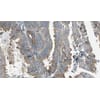
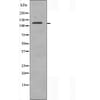
ITA4573
from
$526.00
Price in reward points: 526
- Catalog: ITA4573
- Gene/Protein: CEP131
- Product Description: Immunotag™ AZI1 Antibody
-
Description
-
Specifications
Antibody Specification Datasheet 
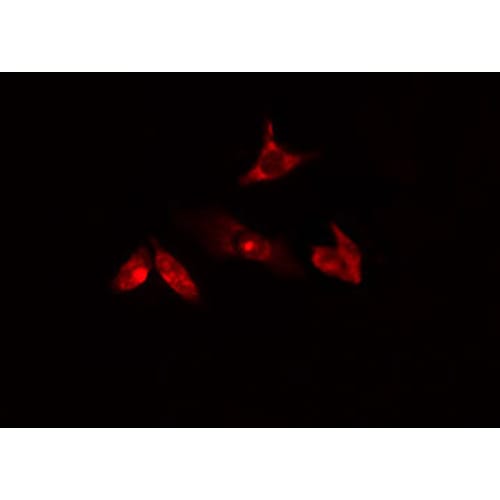
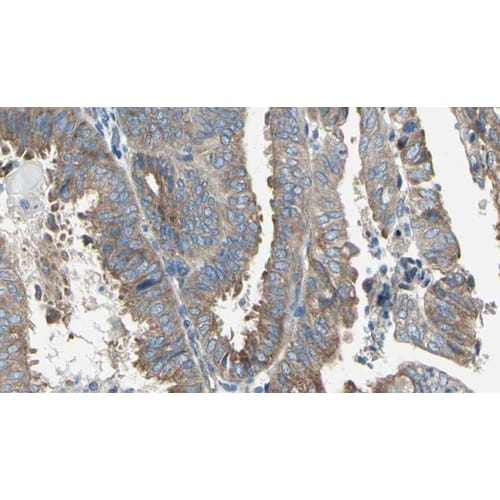
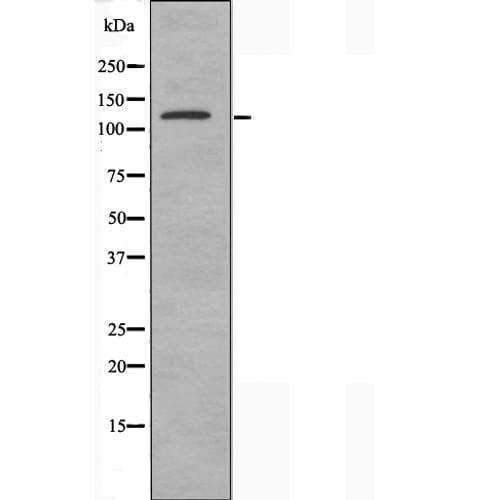
IMPORTANT NOTE This product is custom manufactured with a lead time of 3-4 weeks. Once in production, this item cannot be cancelled from an order and is not eligible for return. Target Protein AZI1 Clonality Polyclonal Storage/Stability -20°C/1 year Application WB,IHC,IF/ICC,ELISA Recommended Dilution WB 1:500~1:1000 IHC: 1:50~1:200, IF/ICC 1:100-1:500 Concentration 1 mg/ml Reactive Species Human,Mouse Host Species Rabbit Immunogen A synthesized peptide Specificity AZI1 Antibody detects endogenous levels of total AZI1 Purification The antiserum was purified by peptide affinity chromatography. Form Rabbit IgG in phosphate buffered saline , pH 7.4, 150mM NaCl, 0.02% sodium azide and 50% glycerol.Store at -20 °C.Stable for 12 months from date of receipt Gene Name CEP131 Accession No. Q9UPN4 Alternate Names 5 azacytidine induced 1; 5-azacytidine-induced protein 1; AZ1; Azi; Azi1; AZI1_HUMAN; Centrosomal protein 131 kDa; Centrosomal protein of 131 kDa; Cep131; KIAA1118; OTTMUSP00000004498; Pre-acrosome localization protein 1; RP23 37J21.1; Description Component of centriolar satellites contributing to the building of a complex and dynamic network required to regulate cilia/flagellum formation (PubMed:17954613, PubMed:24185901). In proliferating cells, MIB1-mediated ubiquitination induces its sequestration within centriolar satellites, precluding untimely cilia formation initiation (PubMed:24121310). In contrast, during normal and ultraviolet or heat shock cellular stress-induced ciliogenesis, its non-ubiquitinated form is rapidly displaced from centriolar satellites and recruited to centrosome/basal bodies in a microtubule- and p38 MAPK-dependent manner (PubMed:24121310, PubMed:26616734). Acts also as a negative regulator of BBSome ciliary trafficking (PubMed:24550735). Plays a role in sperm flagellar formation; may be involved in the regulation of intraflagellar transport (IFT) and/or intramanchette (IMT) trafficking, which are important for axoneme extension and/or cargo delivery to the nascent sperm tail (By similarity). Required for optimal cell proliferation and cell cycle progression; may play a role in the regulation of genome stability in non-ciliogenic cells (PubMed:22797915, PubMed:26297806). Involved in centriole duplication (By similarity). Required for CEP152, WDR62 and CEP63 centrosomal localization and promotes the centrosomal localization of CDK2 (PubMed:26297806). Cell Pathway/ Category Primary Polyclonal Antibody Protein MW 130 KD Usage For Research Use Only! Not for diagnostic or therapeutic procedures. - Reviews
| Antibody Specification | |
| Datasheet |
|
| IMPORTANT NOTE | This product is custom manufactured with a lead time of 3-4 weeks. Once in production, this item cannot be cancelled from an order and is not eligible for return. |
| Target Protein | AZI1 |
| Clonality | Polyclonal |
| Storage/Stability | -20°C/1 year |
| Application | WB,IHC,IF/ICC,ELISA |
| Recommended Dilution | WB 1:500~1:1000 IHC: 1:50~1:200, IF/ICC 1:100-1:500 |
| Concentration | 1 mg/ml |
| Reactive Species | Human,Mouse |
| Host Species | Rabbit |
| Immunogen | A synthesized peptide |
| Specificity | AZI1 Antibody detects endogenous levels of total AZI1 |
| Purification | The antiserum was purified by peptide affinity chromatography. |
| Form | Rabbit IgG in phosphate buffered saline , pH 7.4, 150mM NaCl, 0.02% sodium azide and 50% glycerol.Store at -20 °C.Stable for 12 months from date of receipt |
| Gene Name | CEP131 |
| Accession No. | Q9UPN4 |
| Alternate Names | 5 azacytidine induced 1; 5-azacytidine-induced protein 1; AZ1; Azi; Azi1; AZI1_HUMAN; Centrosomal protein 131 kDa; Centrosomal protein of 131 kDa; Cep131; KIAA1118; OTTMUSP00000004498; Pre-acrosome localization protein 1; RP23 37J21.1; |
| Description | Component of centriolar satellites contributing to the building of a complex and dynamic network required to regulate cilia/flagellum formation (PubMed:17954613, PubMed:24185901). In proliferating cells, MIB1-mediated ubiquitination induces its sequestration within centriolar satellites, precluding untimely cilia formation initiation (PubMed:24121310). In contrast, during normal and ultraviolet or heat shock cellular stress-induced ciliogenesis, its non-ubiquitinated form is rapidly displaced from centriolar satellites and recruited to centrosome/basal bodies in a microtubule- and p38 MAPK-dependent manner (PubMed:24121310, PubMed:26616734). Acts also as a negative regulator of BBSome ciliary trafficking (PubMed:24550735). Plays a role in sperm flagellar formation; may be involved in the regulation of intraflagellar transport (IFT) and/or intramanchette (IMT) trafficking, which are important for axoneme extension and/or cargo delivery to the nascent sperm tail (By similarity). Required for optimal cell proliferation and cell cycle progression; may play a role in the regulation of genome stability in non-ciliogenic cells (PubMed:22797915, PubMed:26297806). Involved in centriole duplication (By similarity). Required for CEP152, WDR62 and CEP63 centrosomal localization and promotes the centrosomal localization of CDK2 (PubMed:26297806). |
| Cell Pathway/ Category | Primary Polyclonal Antibody |
| Protein MW | 130 KD |
| Usage | For Research Use Only! Not for diagnostic or therapeutic procedures. |