

ITA4953
ITA4953
ITA4953
from
$526.00
Price in reward points: 526
- Catalog: ITA4953
- Gene/Protein: IFI16
- Product Description: Immunotag™ IFI16 Antibody
-
Description
-
Specifications
Antibody Specification Datasheet 
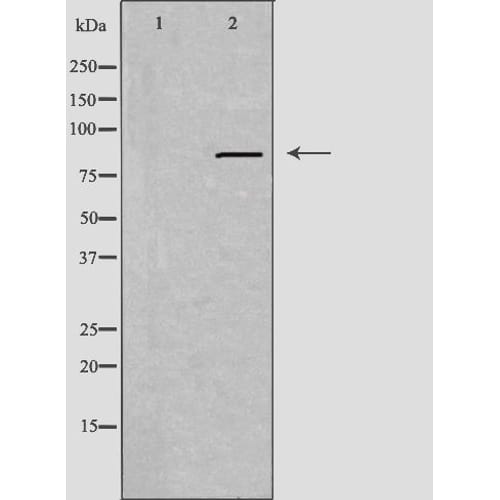
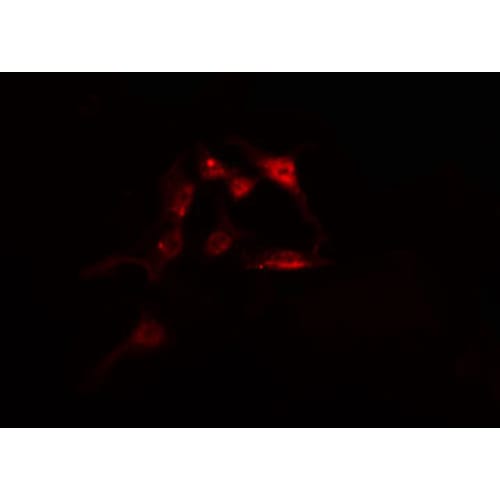
IMPORTANT NOTE This product is custom manufactured with a lead time of 3-4 weeks. Once in production, this item cannot be cancelled from an order and is not eligible for return. Target Protein IFI16 Clonality Polyclonal Storage/Stability -20°C/1 year Application WB,IF/ICC,ELISA Recommended Dilution WB 1:500~1:1000, IF/ICC 1:100-1:500 Concentration 1 mg/ml Reactive Species Human Host Species Rabbit Immunogen A synthesized peptide Specificity IFI16 Antibody detects endogenous levels of total IFI16 Purification The antiserum was purified by peptide affinity chromatography. Form Rabbit IgG in phosphate buffered saline , pH 7.4, 150mM NaCl, 0.02% sodium azide and 50% glycerol.Store at -20 °C.Stable for 12 months from date of receipt Gene Name IFI16 Accession No. Q16666 Alternate Names IFI16; Gamma interferon inducible protein 16; Gamma-interferon-inducible protein Ifi16; IF16_HUMAN; Ifi204; IFNGIP1; interferon activated gene 204; Interferon gamma induced protein IFI 16; Interferon gamma inducible protein 16; Interferon-inducible myeloid differentiation transcriptional activator; p204; PYHIN2; Description Binds double-stranded DNA. Binds preferentially to supercoiled DNA and cruciform DNA structures. Seems to be involved in transcriptional regulation. May function as a transcriptional repressor. Could have a role in the regulation of hematopoietic differentiation through activation of unknown target genes. Controls cellular proliferation by modulating the functions of cell cycle regulatory factors including p53/TP53 and the retinoblastoma protein. May be involved in TP53-mediated transcriptional activation by enhancing TP53 sequence-specific DNA binding and modulating TP53 phosphorylation status. Seems to be involved in energy-level-dependent activation of the ATM/ AMPK/TP53 pathway coupled to regulation of autophagy. May be involved in regulation of TP53-mediated cell death also involving BRCA1. May be involved in the senescence of prostate epithelial cells. Involved in innate immune response by recognizing viral dsDNA in the cytosol and probably in the nucleus. After binding to viral DNA in the cytoplasm recruits TMEM173/STING and mediates the induction of IFN-beta. Has anti-inflammatory activity and inhibits the activation of the AIM2 inflammasome, probably via association with AIM2. Proposed to bind viral DNA in the nucleus, such as of Kaposi's sarcoma-associated herpesvirus, and to induce the formation of nuclear caspase-1-activating inflammasome formation via association with PYCARD. Inhibits replication of herpesviruses such as human cytomegalovirus (HCMV) probably by interfering with promoter recruitment of members of the Sp1 family of transcription factors. Necessary to activate the IRF3 signaling cascade during human herpes simplex virus 1 (HHV-1) infection and promotes the assembly of heterochromatin on herpesviral DNA and inhibition of viral immediate-early gene expression and replication. Involved in the MTA1-mediated epigenetic regulation of ESR1 expression in breast cancer. Cell Pathway/ Category Primary Polyclonal Antibody Protein MW 88 KD Usage For Research Use Only! Not for diagnostic or therapeutic procedures. - Reviews
| Antibody Specification | |
| Datasheet |
|
| IMPORTANT NOTE | This product is custom manufactured with a lead time of 3-4 weeks. Once in production, this item cannot be cancelled from an order and is not eligible for return. |
| Target Protein | IFI16 |
| Clonality | Polyclonal |
| Storage/Stability | -20°C/1 year |
| Application | WB,IF/ICC,ELISA |
| Recommended Dilution | WB 1:500~1:1000, IF/ICC 1:100-1:500 |
| Concentration | 1 mg/ml |
| Reactive Species | Human |
| Host Species | Rabbit |
| Immunogen | A synthesized peptide |
| Specificity | IFI16 Antibody detects endogenous levels of total IFI16 |
| Purification | The antiserum was purified by peptide affinity chromatography. |
| Form | Rabbit IgG in phosphate buffered saline , pH 7.4, 150mM NaCl, 0.02% sodium azide and 50% glycerol.Store at -20 °C.Stable for 12 months from date of receipt |
| Gene Name | IFI16 |
| Accession No. | Q16666 |
| Alternate Names | IFI16; Gamma interferon inducible protein 16; Gamma-interferon-inducible protein Ifi16; IF16_HUMAN; Ifi204; IFNGIP1; interferon activated gene 204; Interferon gamma induced protein IFI 16; Interferon gamma inducible protein 16; Interferon-inducible myeloid differentiation transcriptional activator; p204; PYHIN2; |
| Description | Binds double-stranded DNA. Binds preferentially to supercoiled DNA and cruciform DNA structures. Seems to be involved in transcriptional regulation. May function as a transcriptional repressor. Could have a role in the regulation of hematopoietic differentiation through activation of unknown target genes. Controls cellular proliferation by modulating the functions of cell cycle regulatory factors including p53/TP53 and the retinoblastoma protein. May be involved in TP53-mediated transcriptional activation by enhancing TP53 sequence-specific DNA binding and modulating TP53 phosphorylation status. Seems to be involved in energy-level-dependent activation of the ATM/ AMPK/TP53 pathway coupled to regulation of autophagy. May be involved in regulation of TP53-mediated cell death also involving BRCA1. May be involved in the senescence of prostate epithelial cells. Involved in innate immune response by recognizing viral dsDNA in the cytosol and probably in the nucleus. After binding to viral DNA in the cytoplasm recruits TMEM173/STING and mediates the induction of IFN-beta. Has anti-inflammatory activity and inhibits the activation of the AIM2 inflammasome, probably via association with AIM2. Proposed to bind viral DNA in the nucleus, such as of Kaposi's sarcoma-associated herpesvirus, and to induce the formation of nuclear caspase-1-activating inflammasome formation via association with PYCARD. Inhibits replication of herpesviruses such as human cytomegalovirus (HCMV) probably by interfering with promoter recruitment of members of the Sp1 family of transcription factors. Necessary to activate the IRF3 signaling cascade during human herpes simplex virus 1 (HHV-1) infection and promotes the assembly of heterochromatin on herpesviral DNA and inhibition of viral immediate-early gene expression and replication. Involved in the MTA1-mediated epigenetic regulation of ESR1 expression in breast cancer. |
| Cell Pathway/ Category | Primary Polyclonal Antibody |
| Protein MW | 88 KD |
| Usage | For Research Use Only! Not for diagnostic or therapeutic procedures. |