

ITA5199
ITA5199
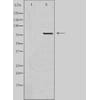
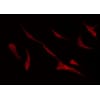
ITA5199
from
$526.00
Price in reward points: 526
- Catalog: ITA5199
- Gene/Protein: KCNQ4
- Product Description: Immunotag™ KCNQ4 Antibody
-
Description
-
Specifications
Antibody Specification Datasheet 
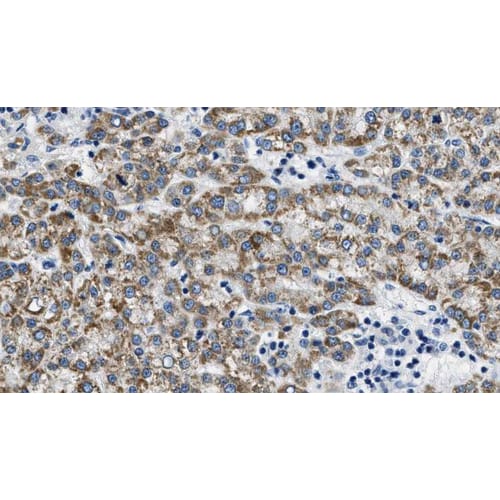
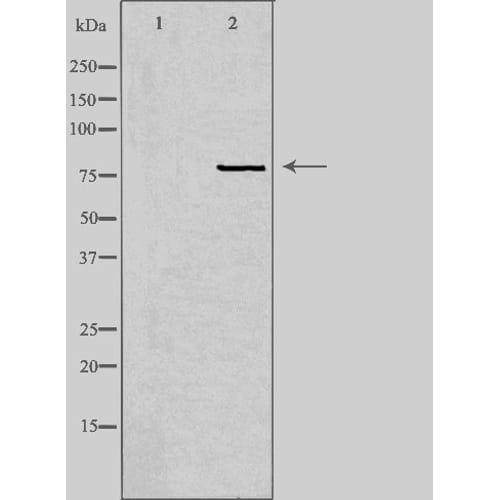
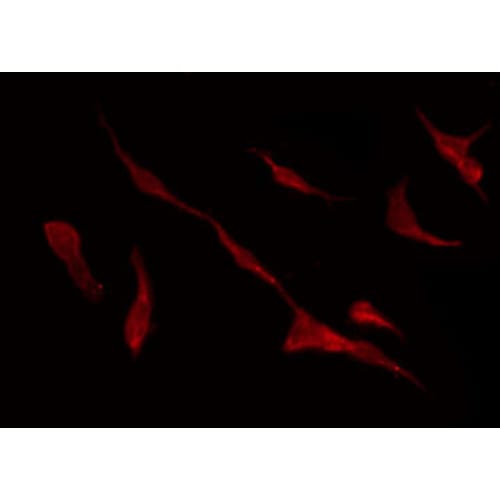
IMPORTANT NOTE This product is custom manufactured with a lead time of 3-4 weeks. Once in production, this item cannot be cancelled from an order and is not eligible for return. Target Protein KCNQ4 Clonality Polyclonal Storage/Stability -20°C/1 year Application WB,IHC,IF/ICC,ELISA Recommended Dilution WB 1:500~1:1000 IHC 1:200, IF/ICC 1:100-1:500 Concentration 1 mg/ml Reactive Species Human,Mouse Host Species Rabbit Immunogen A synthesized peptide Specificity KCNQ4 Antibody detects endogenous levels of total KCNQ4 Purification The antiserum was purified by peptide affinity chromatography. Form Rabbit IgG in phosphate buffered saline , pH 7.4, 150mM NaCl, 0.02% sodium azide and 50% glycerol.Store at -20 °C.Stable for 12 months from date of receipt Gene Name KCNQ4 Accession No. P56696 Alternate Names DFNA 2; DFNA2; KCNQ 4; Kcnq4; KCNQ4_HUMAN; KQT like 4; KQT-like 4; KV7.4; Potassium channel KQT like 4; Potassium channel subunit alpha KvLQT4; Potassium voltage gated channel KQT like protein 4; Potassium voltage gated channel KQT like subfamily member 4; Potassium voltage gated channel subfamily KQT member 4; Potassium voltage-gated channel subfamily KQT member 4; Voltage gated potassium channel subunit Kv7.4; Voltage-gated potassium channel subunit Kv7.4; Description Probably important in the regulation of neuronal excitability. May underlie a potassium current involved in regulating the excitability of sensory cells of the cochlea. KCNQ4 channels are blocked by linopirdin, XE991 and bepridil, whereas clofilium is without significant effect. Muscarinic agonist oxotremorine-M strongly suppress KCNQ4 current in CHO cells in which cloned KCNQ4 channels were coexpressed with M1 muscarinic receptors. Cell Pathway/ Category Primary Polyclonal Antibody Protein MW 80 KD Usage For Research Use Only! Not for diagnostic or therapeutic procedures. - Reviews
| Antibody Specification | |
| Datasheet |
|
| IMPORTANT NOTE | This product is custom manufactured with a lead time of 3-4 weeks. Once in production, this item cannot be cancelled from an order and is not eligible for return. |
| Target Protein | KCNQ4 |
| Clonality | Polyclonal |
| Storage/Stability | -20°C/1 year |
| Application | WB,IHC,IF/ICC,ELISA |
| Recommended Dilution | WB 1:500~1:1000 IHC 1:200, IF/ICC 1:100-1:500 |
| Concentration | 1 mg/ml |
| Reactive Species | Human,Mouse |
| Host Species | Rabbit |
| Immunogen | A synthesized peptide |
| Specificity | KCNQ4 Antibody detects endogenous levels of total KCNQ4 |
| Purification | The antiserum was purified by peptide affinity chromatography. |
| Form | Rabbit IgG in phosphate buffered saline , pH 7.4, 150mM NaCl, 0.02% sodium azide and 50% glycerol.Store at -20 °C.Stable for 12 months from date of receipt |
| Gene Name | KCNQ4 |
| Accession No. | P56696 |
| Alternate Names | DFNA 2; DFNA2; KCNQ 4; Kcnq4; KCNQ4_HUMAN; KQT like 4; KQT-like 4; KV7.4; Potassium channel KQT like 4; Potassium channel subunit alpha KvLQT4; Potassium voltage gated channel KQT like protein 4; Potassium voltage gated channel KQT like subfamily member 4; Potassium voltage gated channel subfamily KQT member 4; Potassium voltage-gated channel subfamily KQT member 4; Voltage gated potassium channel subunit Kv7.4; Voltage-gated potassium channel subunit Kv7.4; |
| Description | Probably important in the regulation of neuronal excitability. May underlie a potassium current involved in regulating the excitability of sensory cells of the cochlea. KCNQ4 channels are blocked by linopirdin, XE991 and bepridil, whereas clofilium is without significant effect. Muscarinic agonist oxotremorine-M strongly suppress KCNQ4 current in CHO cells in which cloned KCNQ4 channels were coexpressed with M1 muscarinic receptors. |
| Cell Pathway/ Category | Primary Polyclonal Antibody |
| Protein MW | 80 KD |
| Usage | For Research Use Only! Not for diagnostic or therapeutic procedures. |