

ITA5466
ITA5466
ITA5466
from
$526.00
Price in reward points: 526
- Catalog: ITA5466
- Gene/Protein: USP15
- Product Description: Immunotag™ USP15 Antibody
-
Description
-
Specifications
Antibody Specification Datasheet 
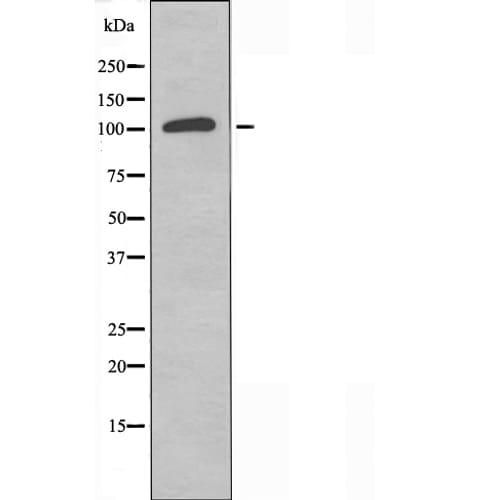
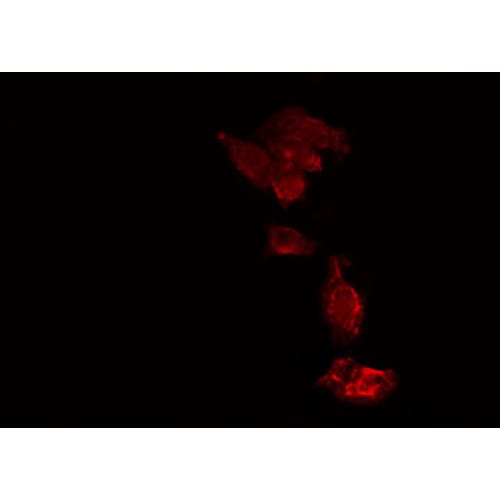
IMPORTANT NOTE This product is custom manufactured with a lead time of 3-4 weeks. Once in production, this item cannot be cancelled from an order and is not eligible for return. Target Protein USP15 Clonality Polyclonal Storage/Stability -20°C/1 year Application WB,IF/ICC,ELISA Recommended Dilution WB 1:500~1:1000, IF/ICC 1:100-1:500 Concentration 1 mg/ml Reactive Species Human,Mouse,Rat Host Species Rabbit Immunogen A synthesized peptide Specificity USP15 Antibody detects endogenous levels of total USP15 Purification The antiserum was purified by peptide affinity chromatography. Form Rabbit IgG in phosphate buffered saline , pH 7.4, 150mM NaCl, 0.02% sodium azide and 50% glycerol.Store at -20 °C.Stable for 12 months from date of receipt Gene Name USP15 Accession No. Q9Y4E8 Alternate Names Deubiquitinating enzyme 15; Deubiquitinating enzyme; EC 3 1 2 15; KIAA0529; MGC131982; MGC149838; MGC74854; Ubiquitin Carboxy terminal Hydrolase 15; Ubiquitin carboxyl-terminal hydrolase 15; Ubiquitin specific peptidase 15; Ubiquitin specific processing protease 15; Ubiquitin Specific Protease 15; Ubiquitin thioesterase 15; Ubiquitin thiolesterase 15; Ubiquitin-specific-processing protease 15; UBP 15; UBP15; UBP15_HUMAN; Unph 2; UNPH 4; Unph-2; Unph2; Unph4; USP 15; Usp15; Description Hydrolase that removes conjugated ubiquitin from target proteins and regulates various pathways such as the TGF-beta receptor signaling, NF-kappa-B and RNF41/NRDP1-PRKN pathways (PubMed:21947082, PubMed:22344298, PubMed:24852371, PubMed:16005295, PubMed:17318178, PubMed:19826004, PubMed:19576224). Acts as a key regulator of TGF-beta receptor signaling pathway, but the precise mechanism is still unclear: according to a report, acts by promoting deubiquitination of monoubiquitinated R-SMADs (SMAD1, SMAD2 and/or SMAD3), thereby alleviating inhibition of R-SMADs and promoting activation of TGF-beta target genes (PubMed:21947082). According to another reports, regulates the TGF-beta receptor signaling pathway by mediating deubiquitination and stabilization of TGFBR1, leading to an enhanced TGF-beta signal (PubMed:22344298). Able to mediate deubiquitination of monoubiquitinated substrates as well as 'Lys-48'-linked polyubiquitin chains, protecting them against proteasomal degradation. May also regulate gene expression and/or DNA repair through the deubiquitination of histone H2B (PubMed:24526689). Acts as an inhibitor of mitophagy by counteracting the action of parkin (PRKN): hydrolyzes cleavage of 'Lys-48'- and 'Lys-63'-linked polyubiquitin chains attached by parkin on target proteins such as MFN2, thereby reducing parkin's ability to drive mitophagy (PubMed:24852371). Acts as an associated component of COP9 signalosome complex (CSN) and regulates different pathways via this association: regulates NF-kappa-B by mediating deubiquitination of NFKBIA and deubiquitinates substrates bound to VCP (PubMed:16005295, PubMed:17318178, PubMed:19826004, PubMed:19576224). Involved in endosome organization by mediating deubiquitination of SQSTM1: ubiquitinated SQSTM1 forms a molecular bridge that restrains cognate vesicles in the perinuclear region and its deubiquitination releases target vesicles for fast transport into the cell periphery (PubMed:27368102). Cell Pathway/ Category Primary Polyclonal Antibody Protein MW 115 KD Usage For Research Use Only! Not for diagnostic or therapeutic procedures. - Reviews
| Antibody Specification | |
| Datasheet |
|
| IMPORTANT NOTE | This product is custom manufactured with a lead time of 3-4 weeks. Once in production, this item cannot be cancelled from an order and is not eligible for return. |
| Target Protein | USP15 |
| Clonality | Polyclonal |
| Storage/Stability | -20°C/1 year |
| Application | WB,IF/ICC,ELISA |
| Recommended Dilution | WB 1:500~1:1000, IF/ICC 1:100-1:500 |
| Concentration | 1 mg/ml |
| Reactive Species | Human,Mouse,Rat |
| Host Species | Rabbit |
| Immunogen | A synthesized peptide |
| Specificity | USP15 Antibody detects endogenous levels of total USP15 |
| Purification | The antiserum was purified by peptide affinity chromatography. |
| Form | Rabbit IgG in phosphate buffered saline , pH 7.4, 150mM NaCl, 0.02% sodium azide and 50% glycerol.Store at -20 °C.Stable for 12 months from date of receipt |
| Gene Name | USP15 |
| Accession No. | Q9Y4E8 |
| Alternate Names | Deubiquitinating enzyme 15; Deubiquitinating enzyme; EC 3 1 2 15; KIAA0529; MGC131982; MGC149838; MGC74854; Ubiquitin Carboxy terminal Hydrolase 15; Ubiquitin carboxyl-terminal hydrolase 15; Ubiquitin specific peptidase 15; Ubiquitin specific processing protease 15; Ubiquitin Specific Protease 15; Ubiquitin thioesterase 15; Ubiquitin thiolesterase 15; Ubiquitin-specific-processing protease 15; UBP 15; UBP15; UBP15_HUMAN; Unph 2; UNPH 4; Unph-2; Unph2; Unph4; USP 15; Usp15; |
| Description | Hydrolase that removes conjugated ubiquitin from target proteins and regulates various pathways such as the TGF-beta receptor signaling, NF-kappa-B and RNF41/NRDP1-PRKN pathways (PubMed:21947082, PubMed:22344298, PubMed:24852371, PubMed:16005295, PubMed:17318178, PubMed:19826004, PubMed:19576224). Acts as a key regulator of TGF-beta receptor signaling pathway, but the precise mechanism is still unclear: according to a report, acts by promoting deubiquitination of monoubiquitinated R-SMADs (SMAD1, SMAD2 and/or SMAD3), thereby alleviating inhibition of R-SMADs and promoting activation of TGF-beta target genes (PubMed:21947082). According to another reports, regulates the TGF-beta receptor signaling pathway by mediating deubiquitination and stabilization of TGFBR1, leading to an enhanced TGF-beta signal (PubMed:22344298). Able to mediate deubiquitination of monoubiquitinated substrates as well as 'Lys-48'-linked polyubiquitin chains, protecting them against proteasomal degradation. May also regulate gene expression and/or DNA repair through the deubiquitination of histone H2B (PubMed:24526689). Acts as an inhibitor of mitophagy by counteracting the action of parkin (PRKN): hydrolyzes cleavage of 'Lys-48'- and 'Lys-63'-linked polyubiquitin chains attached by parkin on target proteins such as MFN2, thereby reducing parkin's ability to drive mitophagy (PubMed:24852371). Acts as an associated component of COP9 signalosome complex (CSN) and regulates different pathways via this association: regulates NF-kappa-B by mediating deubiquitination of NFKBIA and deubiquitinates substrates bound to VCP (PubMed:16005295, PubMed:17318178, PubMed:19826004, PubMed:19576224). Involved in endosome organization by mediating deubiquitination of SQSTM1: ubiquitinated SQSTM1 forms a molecular bridge that restrains cognate vesicles in the perinuclear region and its deubiquitination releases target vesicles for fast transport into the cell periphery (PubMed:27368102). |
| Cell Pathway/ Category | Primary Polyclonal Antibody |
| Protein MW | 115 KD |
| Usage | For Research Use Only! Not for diagnostic or therapeutic procedures. |