

ITA5611
ITA5611
ITA5611
from
$526.00
Price in reward points: 526
- Catalog: ITA5611
- Gene/Protein: CHFR
- Product Description: Immunotag™ CHFR Antibody
-
Description
-
Specifications
Antibody Specification Datasheet 
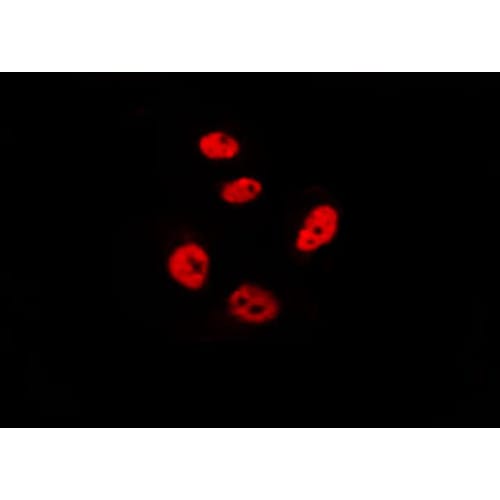
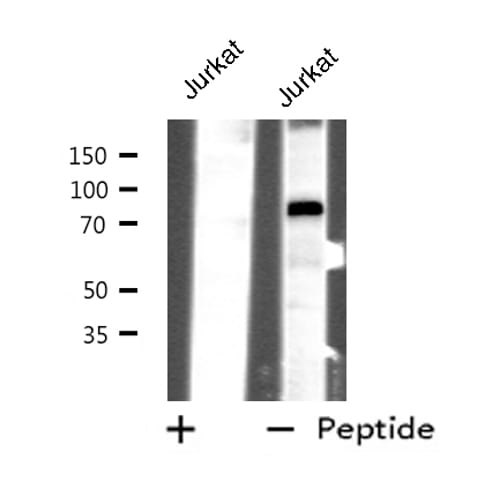
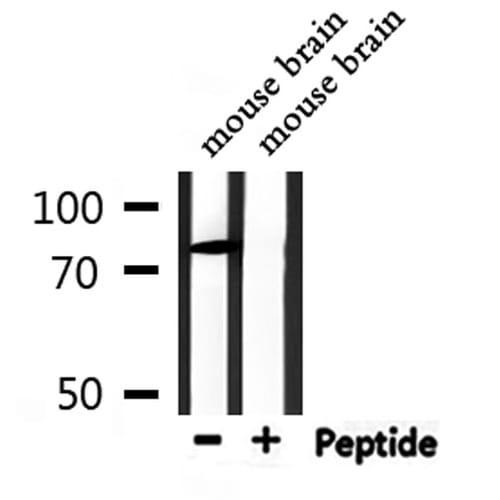
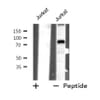
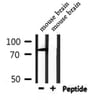
IMPORTANT NOTE This product is custom manufactured with a lead time of 3-4 weeks. Once in production, this item cannot be cancelled from an order and is not eligible for return. Target Protein CHFR Clonality Polyclonal Storage/Stability -20°C/1 year Application WB,IF/ICC,ELISA Recommended Dilution WB 1:500~1:1000, IF/ICC 1:100-1:500 Concentration 1 mg/ml Reactive Species Human,Mouse,Rat Host Species Rabbit Immunogen A synthesized peptide Specificity CHFR Antibody detects endogenous levels of total CHFR Purification The antiserum was purified by peptide affinity chromatography. Form Rabbit IgG in phosphate buffered saline , pH 7.4, 150mM NaCl, 0.02% sodium azide and 50% glycerol.Store at -20 °C.Stable for 12 months from date of receipt Gene Name CHFR Accession No. Q96EP1 Alternate Names Checkpoint with forkhead and ring finger domains; Checkpoint with forkhead and RING finger domains protein; Chfr; CHFR_HUMAN; E3 ubiquitin protein ligase CHFR; E3 ubiquitin-protein ligase CHFR; EC 6.3.2.; FLJ10796; FLJ33629; RING finger protein 196; RNF 116; RNF 196; RNF116; RNF196; Ubiquitin ligase protein; Description E3 ubiquitin-protein ligase that functions in the antephase checkpoint by actively delaying passage into mitosis in response to microtubule poisons. Acts in early prophase before chromosome condensation, when the centrosome move apart from each other along the periphery of the nucleus. Probably involved in signaling the presence of mitotic stress caused by microtubule poisons by mediating the 'Lys-48'-linked ubiquitination of target proteins, leading to their degradation by the proteasome. Promotes the ubiquitination and subsequent degradation of AURKA and PLK1. Probably acts as a tumor suppressor, possibly by mediating the polyubiquitination of HDAC1, leading to its degradation. May also promote the formation of 'Lys-63'-linked polyubiquitin chains and functions with the specific ubiquitin-conjugating UBC13-MMS2 (UBE2N-UBE2V2) heterodimer. Substrates that are polyubiquitinated at 'Lys-63' are usually not targeted for degradation, but are rather involved in signaling cellular stress. Cell Pathway/ Category Primary Polyclonal Antibody Protein MW 73 KD Usage For Research Use Only! Not for diagnostic or therapeutic procedures. - Reviews
| Antibody Specification | |
| Datasheet |
|
| IMPORTANT NOTE | This product is custom manufactured with a lead time of 3-4 weeks. Once in production, this item cannot be cancelled from an order and is not eligible for return. |
| Target Protein | CHFR |
| Clonality | Polyclonal |
| Storage/Stability | -20°C/1 year |
| Application | WB,IF/ICC,ELISA |
| Recommended Dilution | WB 1:500~1:1000, IF/ICC 1:100-1:500 |
| Concentration | 1 mg/ml |
| Reactive Species | Human,Mouse,Rat |
| Host Species | Rabbit |
| Immunogen | A synthesized peptide |
| Specificity | CHFR Antibody detects endogenous levels of total CHFR |
| Purification | The antiserum was purified by peptide affinity chromatography. |
| Form | Rabbit IgG in phosphate buffered saline , pH 7.4, 150mM NaCl, 0.02% sodium azide and 50% glycerol.Store at -20 °C.Stable for 12 months from date of receipt |
| Gene Name | CHFR |
| Accession No. | Q96EP1 |
| Alternate Names | Checkpoint with forkhead and ring finger domains; Checkpoint with forkhead and RING finger domains protein; Chfr; CHFR_HUMAN; E3 ubiquitin protein ligase CHFR; E3 ubiquitin-protein ligase CHFR; EC 6.3.2.; FLJ10796; FLJ33629; RING finger protein 196; RNF 116; RNF 196; RNF116; RNF196; Ubiquitin ligase protein; |
| Description | E3 ubiquitin-protein ligase that functions in the antephase checkpoint by actively delaying passage into mitosis in response to microtubule poisons. Acts in early prophase before chromosome condensation, when the centrosome move apart from each other along the periphery of the nucleus. Probably involved in signaling the presence of mitotic stress caused by microtubule poisons by mediating the 'Lys-48'-linked ubiquitination of target proteins, leading to their degradation by the proteasome. Promotes the ubiquitination and subsequent degradation of AURKA and PLK1. Probably acts as a tumor suppressor, possibly by mediating the polyubiquitination of HDAC1, leading to its degradation. May also promote the formation of 'Lys-63'-linked polyubiquitin chains and functions with the specific ubiquitin-conjugating UBC13-MMS2 (UBE2N-UBE2V2) heterodimer. Substrates that are polyubiquitinated at 'Lys-63' are usually not targeted for degradation, but are rather involved in signaling cellular stress. |
| Cell Pathway/ Category | Primary Polyclonal Antibody |
| Protein MW | 73 KD |
| Usage | For Research Use Only! Not for diagnostic or therapeutic procedures. |