

ITA5744
ITA5744

ITA5744
from
$526.00
Price in reward points: 526
- Catalog: ITA5744
- Gene/Protein: LPAR1
- Product Description: Immunotag™ EDG2 Antibody
-
Description
-
Specifications
Antibody Specification Datasheet 
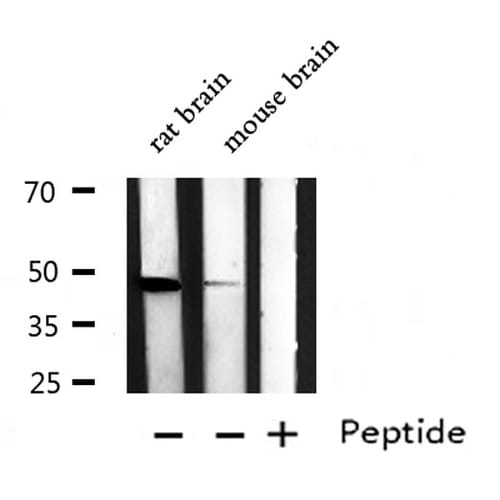
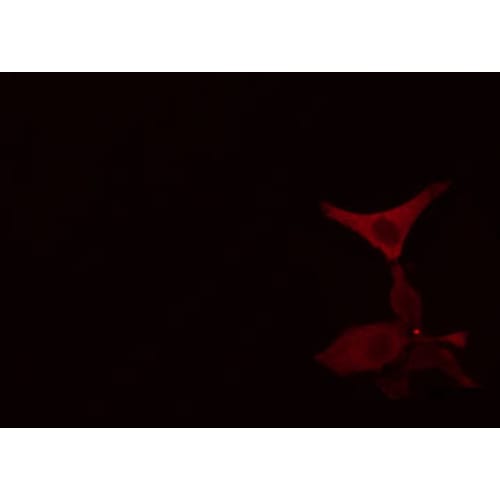
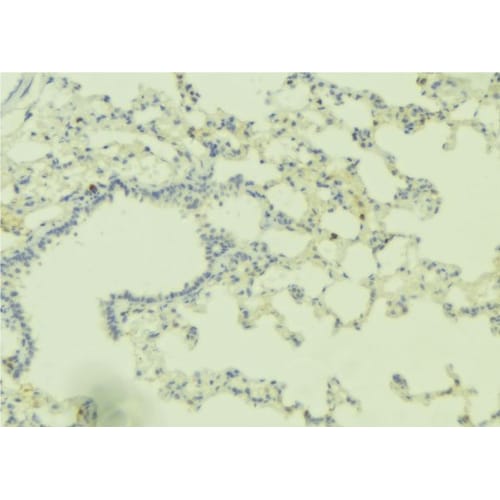
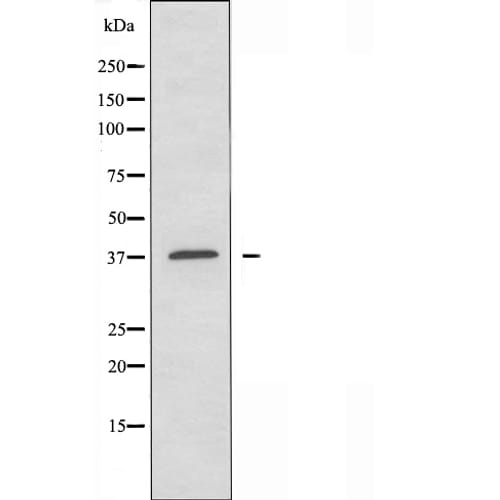
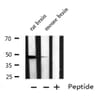
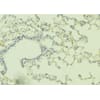
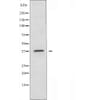
IMPORTANT NOTE This product is custom manufactured with a lead time of 3-4 weeks. Once in production, this item cannot be cancelled from an order and is not eligible for return. Target Protein EDG2 Clonality Polyclonal Storage/Stability -20°C/1 year Application WB,IHC,IF/ICC,ELISA Recommended Dilution WB 1:500~1:1000 IHC: 1:50~1:200 IF/ICC 1:100-1:500 Concentration 1 mg/ml Reactive Species Human,Mouse,Rat Host Species Rabbit Immunogen A synthesized peptide Specificity EDG2 Antibody detects endogenous levels of total EDG2 Purification The antiserum was purified by peptide affinity chromatography. Form Rabbit IgG in phosphate buffered saline , pH 7.4, 150mM NaCl, 0.02% sodium azide and 50% glycerol.Store at -20 °C.Stable for 12 months from date of receipt Gene Name LPAR1 Accession No. Q92633 Alternate Names 5031439C20; AI326300; EDG 2; Endothelial differentiation gene 2; Endothelial differentiation, lysophosphatidic acid G protein coupled receptor, 2; GPCR 26; Gpcr26; Gpcr91; GPR26; Kdt2; LPA 1; LPA receptor 1; LPA receptor EDG2; LPA-1; lpA1; Lpar1; LPAR1_HUMAN; Lysophosphatidic acid receptor 1; Lysophosphatidic acid receptor Edg-2; Lysophosphatidic acid receptor EDG2; MGC105279; MGC29102; Mrec1.3; rec.1.3; Ventricular zone gene 1; vzg-1; VZG1; Description Receptor for lysophosphatidic acid (LPA) (PubMed:9070858, PubMed:19306925, PubMed:25025571, PubMed:26091040). Plays a role in the reorganization of the actin cytoskeleton, cell migration, differentiation and proliferation, and thereby contributes to the responses to tissue damage and infectious agents. Activates downstream signaling cascades via the G(i)/G(o), G(12)/G(13), and G(q) families of heteromeric G proteins. Signaling inhibits adenylyl cyclase activity and decreases cellular cAMP levels (PubMed:26091040). Signaling triggers an increase of cytoplasmic Ca2+ levels (PubMed:19656035, PubMed:19733258, PubMed:26091040). Activates RALA; this leads to the activation of phospholipase C (PLC) and the formation of inositol 1,4,5-trisphosphate (PubMed:19306925). Signaling mediates activation of down-stream MAP kinases (By similarity). Contributes to the regulation of cell shape. Promotes Rho-dependent reorganization of the actin cytoskeleton in neuronal cells and neurite retraction (PubMed:26091040). Promotes the activation of Rho and the formation of actin stress fibers (PubMed:26091040). Promotes formation of lamellipodia at the leading edge of migrating cells via activation of RAC1 (By similarity). Through its function as lysophosphatidic acid receptor, plays a role in chemotaxis and cell migration, including responses to injury and wounding (PubMed:18066075, PubMed:19656035, PubMed:19733258). Plays a role in triggering inflammation in response to bacterial lipopolysaccharide (LPS) via its interaction with CD14. Promotes cell proliferation in response to lysophosphatidic acid. Required for normal skeleton development. May play a role in osteoblast differentiation. Required for normal brain development. Required for normal proliferation, survival and maturation of newly formed neurons in the adult dentate gyrus. Plays a role in pain perception and in the initiation of neuropathic pain (By similarity). Cell Pathway/ Category Primary Polyclonal Antibody Protein MW 38 KD Usage For Research Use Only! Not for diagnostic or therapeutic procedures. - Reviews
| Antibody Specification | |
| Datasheet |
|
| IMPORTANT NOTE | This product is custom manufactured with a lead time of 3-4 weeks. Once in production, this item cannot be cancelled from an order and is not eligible for return. |
| Target Protein | EDG2 |
| Clonality | Polyclonal |
| Storage/Stability | -20°C/1 year |
| Application | WB,IHC,IF/ICC,ELISA |
| Recommended Dilution | WB 1:500~1:1000 IHC: 1:50~1:200 IF/ICC 1:100-1:500 |
| Concentration | 1 mg/ml |
| Reactive Species | Human,Mouse,Rat |
| Host Species | Rabbit |
| Immunogen | A synthesized peptide |
| Specificity | EDG2 Antibody detects endogenous levels of total EDG2 |
| Purification | The antiserum was purified by peptide affinity chromatography. |
| Form | Rabbit IgG in phosphate buffered saline , pH 7.4, 150mM NaCl, 0.02% sodium azide and 50% glycerol.Store at -20 °C.Stable for 12 months from date of receipt |
| Gene Name | LPAR1 |
| Accession No. | Q92633 |
| Alternate Names | 5031439C20; AI326300; EDG 2; Endothelial differentiation gene 2; Endothelial differentiation, lysophosphatidic acid G protein coupled receptor, 2; GPCR 26; Gpcr26; Gpcr91; GPR26; Kdt2; LPA 1; LPA receptor 1; LPA receptor EDG2; LPA-1; lpA1; Lpar1; LPAR1_HUMAN; Lysophosphatidic acid receptor 1; Lysophosphatidic acid receptor Edg-2; Lysophosphatidic acid receptor EDG2; MGC105279; MGC29102; Mrec1.3; rec.1.3; Ventricular zone gene 1; vzg-1; VZG1; |
| Description | Receptor for lysophosphatidic acid (LPA) (PubMed:9070858, PubMed:19306925, PubMed:25025571, PubMed:26091040). Plays a role in the reorganization of the actin cytoskeleton, cell migration, differentiation and proliferation, and thereby contributes to the responses to tissue damage and infectious agents. Activates downstream signaling cascades via the G(i)/G(o), G(12)/G(13), and G(q) families of heteromeric G proteins. Signaling inhibits adenylyl cyclase activity and decreases cellular cAMP levels (PubMed:26091040). Signaling triggers an increase of cytoplasmic Ca2+ levels (PubMed:19656035, PubMed:19733258, PubMed:26091040). Activates RALA; this leads to the activation of phospholipase C (PLC) and the formation of inositol 1,4,5-trisphosphate (PubMed:19306925). Signaling mediates activation of down-stream MAP kinases (By similarity). Contributes to the regulation of cell shape. Promotes Rho-dependent reorganization of the actin cytoskeleton in neuronal cells and neurite retraction (PubMed:26091040). Promotes the activation of Rho and the formation of actin stress fibers (PubMed:26091040). Promotes formation of lamellipodia at the leading edge of migrating cells via activation of RAC1 (By similarity). Through its function as lysophosphatidic acid receptor, plays a role in chemotaxis and cell migration, including responses to injury and wounding (PubMed:18066075, PubMed:19656035, PubMed:19733258). Plays a role in triggering inflammation in response to bacterial lipopolysaccharide (LPS) via its interaction with CD14. Promotes cell proliferation in response to lysophosphatidic acid. Required for normal skeleton development. May play a role in osteoblast differentiation. Required for normal brain development. Required for normal proliferation, survival and maturation of newly formed neurons in the adult dentate gyrus. Plays a role in pain perception and in the initiation of neuropathic pain (By similarity). |
| Cell Pathway/ Category | Primary Polyclonal Antibody |
| Protein MW | 38 KD |
| Usage | For Research Use Only! Not for diagnostic or therapeutic procedures. |