

ITA6117
ITA6117
ITA6117
from
$526.00
Price in reward points: 526
- Catalog: ITA6117
- Gene/Protein: DDIT3
- Product Description: Immunotag™ CHOP Antibody
-
Description
-
Specifications
Antibody Specification Datasheet 
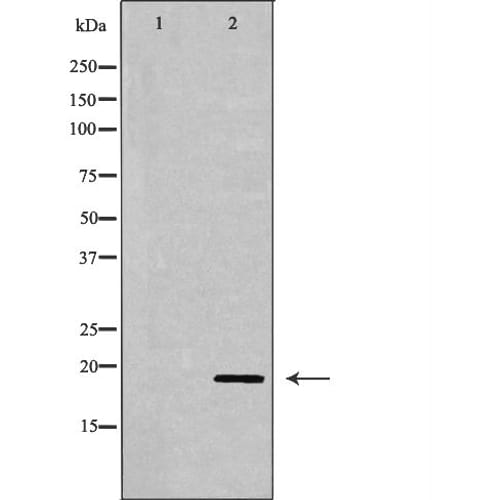
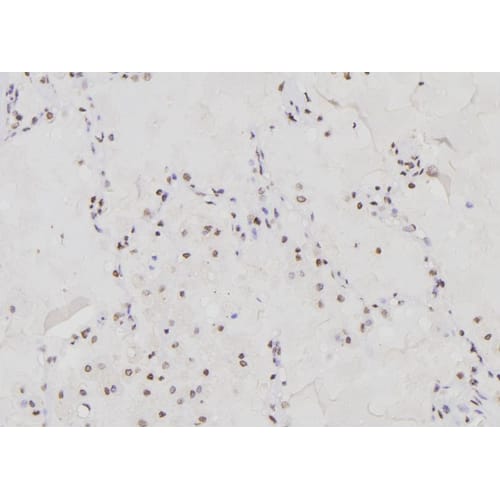
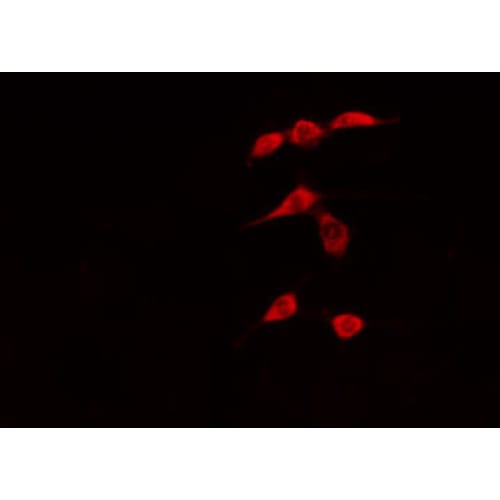
IMPORTANT NOTE This product is custom manufactured with a lead time of 3-4 weeks. Once in production, this item cannot be cancelled from an order and is not eligible for return. Target Protein CHOP Clonality Polyclonal Storage/Stability -20°C/1 year Application WB,IHC,IF/ICC,ELISA Recommended Dilution WB 1:500-1:2000 IHC 1:50-1:200, IF/ICC 1:100-1:500 Concentration 1 mg/ml Reactive Species Human,Mouse,Rat Host Species Rabbit Immunogen A synthesized peptide derived from human CHOP Specificity CHOP Antibody detects endogenous levels of total CHOP Purification The antiserum was purified by peptide affinity chromatography. Form Rabbit IgG in phosphate buffered saline , pH 7.4, 150mM NaCl, 0.02% sodium azide and 50% glycerol.Store at -20 °C.Stable for 12 months from date of receipt Gene Name DDIT3 Accession No. P35638 Alternate Names C/EBP homologous protein; C/EBP Homology Protein; C/EBP zeta; C/EBP-homologous protein 10; C/EBP-homologous protein; CCAAT/enhancer binding protein homologous protein; CEBPZ; CHOP 10; CHOP; CHOP-10; CHOP10; DDIT 3; DDIT-3; Ddit3; DDIT3_HUMAN; DNA Damage Inducible Transcript 3; DNA damage-inducible transcript 3 protein; GADD 153; GADD153; Growth Arrest and DNA Damage Inducible Protein 153; Growth arrest and DNA damage inducible protein GADD153; Growth arrest and DNA damage-inducible protein GADD153; MGC4154; Description Multifunctional transcription factor in ER stress response. Plays an essential role in the response to a wide variety of cell stresses and induces cell cycle arrest and apoptosis in response to ER stress. Plays a dual role both as an inhibitor of CCAAT/enhancer-binding protein (C/EBP) function and as an activator of other genes. Acts as a dominant-negative regulator of C/EBP-induced transcription: dimerizes with members of the C/EBP family, impairs their association with C/EBP binding sites in the promoter regions, and inhibits the expression of C/EBP regulated genes. Positively regulates the transcription of TRIB3, IL6, IL8, IL23, TNFRSF10B/DR5, PPP1R15A/GADD34, BBC3/PUMA, BCL2L11/BIM and ERO1L. Negatively regulates; expression of BCL2 and MYOD1, ATF4-dependent transcriptional activation of asparagine synthetase (ASNS), CEBPA-dependent transcriptional activation of hepcidin (HAMP) and CEBPB-mediated expression of peroxisome proliferator-activated receptor gamma (PPARG). Inhibits the canonical Wnt signaling pathway by binding to TCF7L2/TCF4, impairing its DNA-binding properties and repressing its transcriptional activity. Plays a regulatory role in the inflammatory response through the induction of caspase-11 (CASP4/CASP11) which induces the activation of caspase-1 (CASP1) and both these caspases increase the activation of pro-IL1B to mature IL1B which is involved in the inflammatory response. Cell Pathway/ Category Primary Polyclonal Antibody Protein MW 19kDa Usage For Research Use Only! Not for diagnostic or therapeutic procedures. - Reviews
| Antibody Specification | |
| Datasheet |
|
| IMPORTANT NOTE | This product is custom manufactured with a lead time of 3-4 weeks. Once in production, this item cannot be cancelled from an order and is not eligible for return. |
| Target Protein | CHOP |
| Clonality | Polyclonal |
| Storage/Stability | -20°C/1 year |
| Application | WB,IHC,IF/ICC,ELISA |
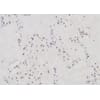
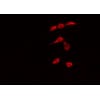
| Recommended Dilution | WB 1:500-1:2000 IHC 1:50-1:200, IF/ICC 1:100-1:500 |
| Concentration | 1 mg/ml |
| Reactive Species | Human,Mouse,Rat |
| Host Species | Rabbit |
| Immunogen | A synthesized peptide derived from human CHOP |
| Specificity | CHOP Antibody detects endogenous levels of total CHOP |
| Purification | The antiserum was purified by peptide affinity chromatography. |
| Form | Rabbit IgG in phosphate buffered saline , pH 7.4, 150mM NaCl, 0.02% sodium azide and 50% glycerol.Store at -20 °C.Stable for 12 months from date of receipt |
| Gene Name | DDIT3 |
| Accession No. | P35638 |
| Alternate Names | C/EBP homologous protein; C/EBP Homology Protein; C/EBP zeta; C/EBP-homologous protein 10; C/EBP-homologous protein; CCAAT/enhancer binding protein homologous protein; CEBPZ; CHOP 10; CHOP; CHOP-10; CHOP10; DDIT 3; DDIT-3; Ddit3; DDIT3_HUMAN; DNA Damage Inducible Transcript 3; DNA damage-inducible transcript 3 protein; GADD 153; GADD153; Growth Arrest and DNA Damage Inducible Protein 153; Growth arrest and DNA damage inducible protein GADD153; Growth arrest and DNA damage-inducible protein GADD153; MGC4154; |
| Description | Multifunctional transcription factor in ER stress response. Plays an essential role in the response to a wide variety of cell stresses and induces cell cycle arrest and apoptosis in response to ER stress. Plays a dual role both as an inhibitor of CCAAT/enhancer-binding protein (C/EBP) function and as an activator of other genes. Acts as a dominant-negative regulator of C/EBP-induced transcription: dimerizes with members of the C/EBP family, impairs their association with C/EBP binding sites in the promoter regions, and inhibits the expression of C/EBP regulated genes. Positively regulates the transcription of TRIB3, IL6, IL8, IL23, TNFRSF10B/DR5, PPP1R15A/GADD34, BBC3/PUMA, BCL2L11/BIM and ERO1L. Negatively regulates; expression of BCL2 and MYOD1, ATF4-dependent transcriptional activation of asparagine synthetase (ASNS), CEBPA-dependent transcriptional activation of hepcidin (HAMP) and CEBPB-mediated expression of peroxisome proliferator-activated receptor gamma (PPARG). Inhibits the canonical Wnt signaling pathway by binding to TCF7L2/TCF4, impairing its DNA-binding properties and repressing its transcriptional activity. Plays a regulatory role in the inflammatory response through the induction of caspase-11 (CASP4/CASP11) which induces the activation of caspase-1 (CASP1) and both these caspases increase the activation of pro-IL1B to mature IL1B which is involved in the inflammatory response. |
| Cell Pathway/ Category | Primary Polyclonal Antibody |
| Protein MW | 19kDa |
| Usage | For Research Use Only! Not for diagnostic or therapeutic procedures. |