

ITA6156
ITA6156
ITA6156
from
$526.00
Price in reward points: 526
- Catalog: ITA6156
- Gene/Protein: PKM
- Product Description: Immunotag™ PKM2 Antibody
-
Description
-
Specifications
Antibody Specification Datasheet 
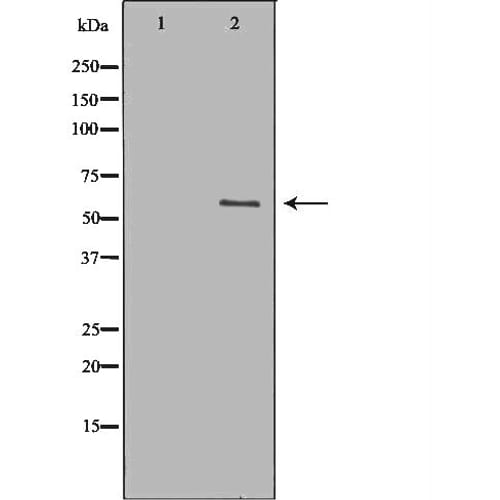
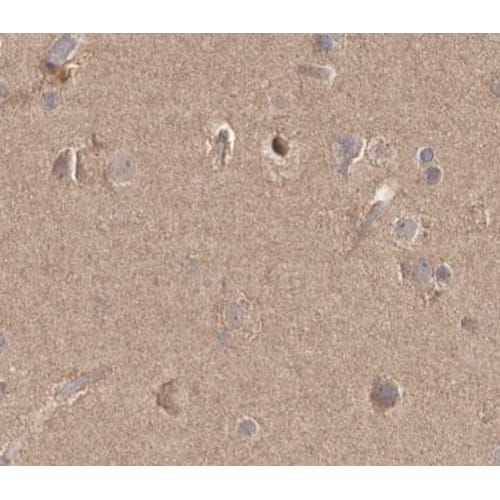
IMPORTANT NOTE This product is custom manufactured with a lead time of 3-4 weeks. Once in production, this item cannot be cancelled from an order and is not eligible for return. Target Protein PKM2 Clonality Polyclonal Storage/Stability -20°C/1 year Application WB,IHC,ELISA Recommended Dilution WB 1:500-1:2000 IHC 1:50-1:200 Concentration 1 mg/ml Reactive Species Human,Mouse,Rat Host Species Rabbit Immunogen A synthesized peptide derived from human PKM2 Specificity PKM2 Antibody detects endogenous levels of total PKM2 Purification The antiserum was purified by peptide affinity chromatography. Form Rabbit IgG in phosphate buffered saline , pH 7.4, 150mM NaCl, 0.02% sodium azide and 50% glycerol.Store at -20 °C.Stable for 12 months from date of receipt Gene Name PKM Accession No. P14618 Alternate Names CTHBP; Cytosolic thyroid hormone binding protein; Cytosolic thyroid hormone-binding protein; KPYM_HUMAN; MGC3932; OIP 3; OIP-3; OIP3; OPA interacting protein 3; Opa-interacting protein 3; p58; PK muscle type; PK, muscle type; PK2; PK3; PKM; PKM2; pykm; Pyruvate kinase 2/3; Pyruvate kinase 3; Pyruvate kinase isozymes M1/M2; Pyruvate kinase muscle; Pyruvate kinase muscle isozyme; pyruvate kinase PKM; Pyruvate kinase, muscle 2; TCB; THBP1; Thyroid hormone binding protein 1; Thyroid hormone binding protein cytosolic; Thyroid hormone-binding protein 1; Tumor M2 PK; Tumor M2-PK; Description Glycolytic enzyme that catalyzes the transfer of a phosphoryl group from phosphoenolpyruvate (PEP) to ADP, generating ATP. Stimulates POU5F1-mediated transcriptional activation. Plays a general role in caspase independent cell death of tumor cells. The ratio between the highly active tetrameric form and nearly inactive dimeric form determines whether glucose carbons are channeled to biosynthetic processes or used for glycolytic ATP production. The transition between the 2 forms contributes to the control of glycolysis and is important for tumor cell proliferation and survival. Cell Pathway/ Category Primary Polyclonal Antibody Protein MW 58kDa Usage For Research Use Only! Not for diagnostic or therapeutic procedures. - Reviews
| Antibody Specification | |
| Datasheet |
|
| IMPORTANT NOTE | This product is custom manufactured with a lead time of 3-4 weeks. Once in production, this item cannot be cancelled from an order and is not eligible for return. |
| Target Protein | PKM2 |
| Clonality | Polyclonal |
| Storage/Stability | -20°C/1 year |
| Application | WB,IHC,ELISA |
| Recommended Dilution | WB 1:500-1:2000 IHC 1:50-1:200 |
| Concentration | 1 mg/ml |
| Reactive Species | Human,Mouse,Rat |
| Host Species | Rabbit |
| Immunogen | A synthesized peptide derived from human PKM2 |
| Specificity | PKM2 Antibody detects endogenous levels of total PKM2 |
| Purification | The antiserum was purified by peptide affinity chromatography. |
| Form | Rabbit IgG in phosphate buffered saline , pH 7.4, 150mM NaCl, 0.02% sodium azide and 50% glycerol.Store at -20 °C.Stable for 12 months from date of receipt |
| Gene Name | PKM |
| Accession No. | P14618 |
| Alternate Names | CTHBP; Cytosolic thyroid hormone binding protein; Cytosolic thyroid hormone-binding protein; KPYM_HUMAN; MGC3932; OIP 3; OIP-3; OIP3; OPA interacting protein 3; Opa-interacting protein 3; p58; PK muscle type; PK, muscle type; PK2; PK3; PKM; PKM2; pykm; Pyruvate kinase 2/3; Pyruvate kinase 3; Pyruvate kinase isozymes M1/M2; Pyruvate kinase muscle; Pyruvate kinase muscle isozyme; pyruvate kinase PKM; Pyruvate kinase, muscle 2; TCB; THBP1; Thyroid hormone binding protein 1; Thyroid hormone binding protein cytosolic; Thyroid hormone-binding protein 1; Tumor M2 PK; Tumor M2-PK; |
| Description | Glycolytic enzyme that catalyzes the transfer of a phosphoryl group from phosphoenolpyruvate (PEP) to ADP, generating ATP. Stimulates POU5F1-mediated transcriptional activation. Plays a general role in caspase independent cell death of tumor cells. The ratio between the highly active tetrameric form and nearly inactive dimeric form determines whether glucose carbons are channeled to biosynthetic processes or used for glycolytic ATP production. The transition between the 2 forms contributes to the control of glycolysis and is important for tumor cell proliferation and survival. |
| Cell Pathway/ Category | Primary Polyclonal Antibody |
| Protein MW | 58kDa |
| Usage | For Research Use Only! Not for diagnostic or therapeutic procedures. |