

ITA6212
ITA6212
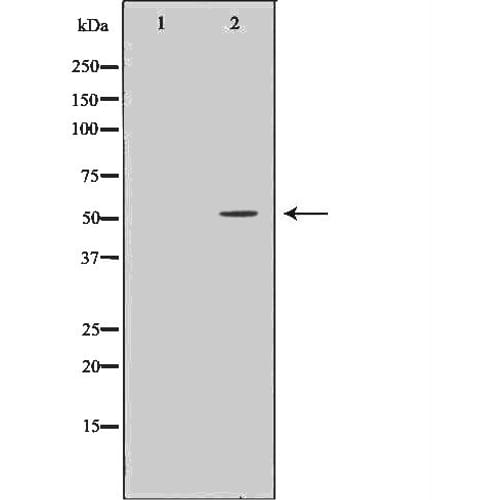
ITA6212
from
$526.00
Price in reward points: 526
- Catalog: ITA6212
- Gene/Protein: ANGPTL3
- Product Description: Immunotag™ ANGPTL3 Antibody
-
Description
-
Specifications
Antibody Specification Datasheet 
IMPORTANT NOTE This product is custom manufactured with a lead time of 3-4 weeks. Once in production, this item cannot be cancelled from an order and is not eligible for return. Target Protein ANGPTL3 Clonality Polyclonal Storage/Stability -20°C/1 year Application WB,ELISA Recommended Dilution WB 1:500-1:2000 Concentration 1 mg/ml Reactive Species Human,Mouse,Rat Host Species Rabbit Immunogen A synthesized peptide derived from human ANGPTL3 Specificity ANGPTL3 Antibody detects endogenous levels of total ANGPTL3 Purification The antiserum was purified by peptide affinity chromatography. Form Rabbit IgG in phosphate buffered saline , pH 7.4, 150mM NaCl, 0.02% sodium azide and 50% glycerol.Store at -20 °C.Stable for 12 months from date of receipt Gene Name ANGPTL3 Accession No. Q9Y5C1 Alternate Names ANG 5; ANG-5; ANG5; Angiopoietin 5; Angiopoietin like 3; Angiopoietin related protein 3; Angiopoietin-5; Angiopoietin-like protein 3; Angiopoietin-related protein 3; ANGL3_HUMAN; ANGPT5; ANGPTL3; ANL3; FHBL2; OTTHUMP00000010719; UNQ153/PRO179; Description Acts in part as a hepatokine that is involved in regulation of lipid and glucose metabolism (PubMed:11788823, PubMed:12909640, PubMed:23661675, PubMed:25495645). Proposed to play a role in the trafficking of energy substrates to either storage or oxidative tissues in response to food intake (By similarity). Has a stimulatory effect on plasma triglycerides (TG), which is achieved by suppressing plasma TG clearance via inhibition of LPL activity. The inhibition of LPL activity appears to be an indirect mechanism involving recruitment of proprotein convertases PCSK6 and FURIN to LPL leading to cleavage and dissociation of LPL from the cell surface; the function does not require ANGPTL3 proteolytic cleavage but seems to be mediated by the N-terminal domain, and is not inhibited by GPIHBP1 (PubMed:12097324, PubMed:19318355, PubMed:20581395). Can inhibit endothelial lipase, causing increased plasma levels of high density lipoprotein (HDL) cholesterol and phospholipids (PubMed:17110602, PubMed:19028676). Can bind to adipocytes to activate lipolysis, releasing free fatty acids and glycerol (PubMed:12565906). Suppresses LPL specifically in oxidative tissues which is required to route very low density lipoprotein (VLDL)-TG to white adipose tissue (WAT) for storage in response to food; the function may involve cooperation with circulating, liver-derived ANGPTL8 and ANGPTL4 expression in WAT (By similarity). Contributes to lower plasma levels of low density lipoprotein (LDL)-cholesterol by a mechanism that is independent of the canonical pathway implicating APOE and LDLR. May stimulate hypothalamic LPL activity (By similarity). Cell Pathway/ Category Primary Polyclonal Antibody Protein MW 54kDa Usage For Research Use Only! Not for diagnostic or therapeutic procedures. - Reviews
| Antibody Specification | |
| Datasheet |
|
| IMPORTANT NOTE | This product is custom manufactured with a lead time of 3-4 weeks. Once in production, this item cannot be cancelled from an order and is not eligible for return. |
| Target Protein | ANGPTL3 |
| Clonality | Polyclonal |
| Storage/Stability | -20°C/1 year |
| Application | WB,ELISA |
| Recommended Dilution | WB 1:500-1:2000 |
| Concentration | 1 mg/ml |
| Reactive Species | Human,Mouse,Rat |
| Host Species | Rabbit |
| Immunogen | A synthesized peptide derived from human ANGPTL3 |
| Specificity | ANGPTL3 Antibody detects endogenous levels of total ANGPTL3 |
| Purification | The antiserum was purified by peptide affinity chromatography. |
| Form | Rabbit IgG in phosphate buffered saline , pH 7.4, 150mM NaCl, 0.02% sodium azide and 50% glycerol.Store at -20 °C.Stable for 12 months from date of receipt |
| Gene Name | ANGPTL3 |
| Accession No. | Q9Y5C1 |
| Alternate Names | ANG 5; ANG-5; ANG5; Angiopoietin 5; Angiopoietin like 3; Angiopoietin related protein 3; Angiopoietin-5; Angiopoietin-like protein 3; Angiopoietin-related protein 3; ANGL3_HUMAN; ANGPT5; ANGPTL3; ANL3; FHBL2; OTTHUMP00000010719; UNQ153/PRO179; |
| Description | Acts in part as a hepatokine that is involved in regulation of lipid and glucose metabolism (PubMed:11788823, PubMed:12909640, PubMed:23661675, PubMed:25495645). Proposed to play a role in the trafficking of energy substrates to either storage or oxidative tissues in response to food intake (By similarity). Has a stimulatory effect on plasma triglycerides (TG), which is achieved by suppressing plasma TG clearance via inhibition of LPL activity. The inhibition of LPL activity appears to be an indirect mechanism involving recruitment of proprotein convertases PCSK6 and FURIN to LPL leading to cleavage and dissociation of LPL from the cell surface; the function does not require ANGPTL3 proteolytic cleavage but seems to be mediated by the N-terminal domain, and is not inhibited by GPIHBP1 (PubMed:12097324, PubMed:19318355, PubMed:20581395). Can inhibit endothelial lipase, causing increased plasma levels of high density lipoprotein (HDL) cholesterol and phospholipids (PubMed:17110602, PubMed:19028676). Can bind to adipocytes to activate lipolysis, releasing free fatty acids and glycerol (PubMed:12565906). Suppresses LPL specifically in oxidative tissues which is required to route very low density lipoprotein (VLDL)-TG to white adipose tissue (WAT) for storage in response to food; the function may involve cooperation with circulating, liver-derived ANGPTL8 and ANGPTL4 expression in WAT (By similarity). Contributes to lower plasma levels of low density lipoprotein (LDL)-cholesterol by a mechanism that is independent of the canonical pathway implicating APOE and LDLR. May stimulate hypothalamic LPL activity (By similarity). |
| Cell Pathway/ Category | Primary Polyclonal Antibody |
| Protein MW | 54kDa |
| Usage | For Research Use Only! Not for diagnostic or therapeutic procedures. |