

ITA6458
ITA6458
ITA6458
from
$526.00
Price in reward points: 526
- Catalog: ITA6458
- Gene/Protein: PSMA3
- Product Description: Immunotag™ PSMA3 Antibody
-
Description
-
Specifications
Antibody Specification Datasheet 
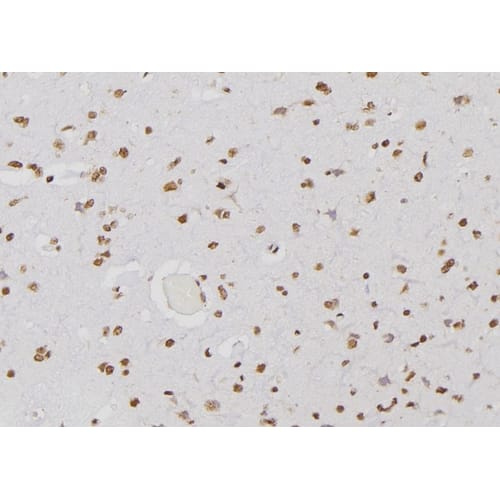
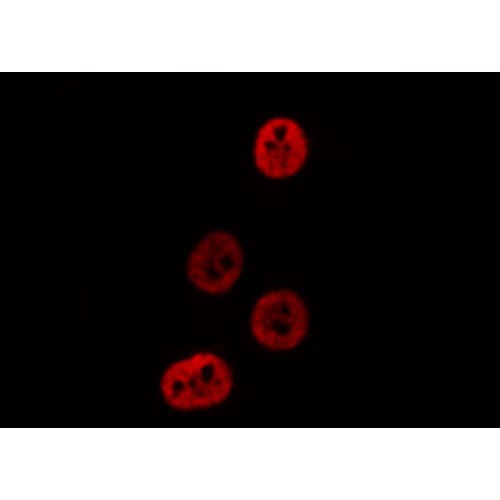
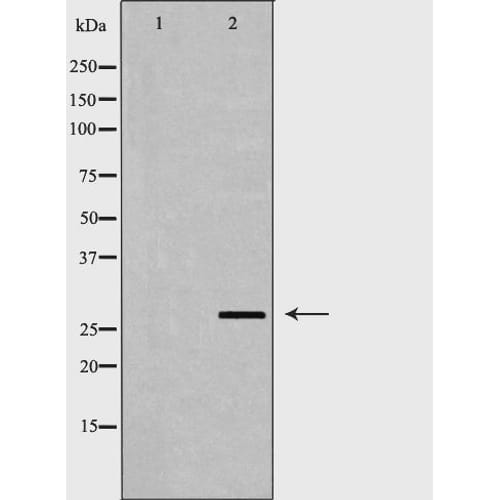
IMPORTANT NOTE This product is custom manufactured with a lead time of 3-4 weeks. Once in production, this item cannot be cancelled from an order and is not eligible for return. Target Protein PSMA3 Clonality Polyclonal Storage/Stability -20°C/1 year Application WB,IHC,IF/ICC,ELISA Recommended Dilution WB 1:500-1:2000 IHC 1:50-1:200, IF/ICC 1:100-1:500 Concentration 1 mg/ml Reactive Species Human,Mouse,Rat Host Species Rabbit Immunogen A synthesized peptide derived from humanPSMA3 Specificity PSMA3 Antibody detects endogenous levels of total PSMA3 Purification The antiserum was purified by peptide affinity chromatography. Form Rabbit IgG in phosphate buffered saline , pH 7.4, 150mM NaCl, 0.02% sodium azide and 50% glycerol.Store at -20 °C.Stable for 12 months from date of receipt Gene Name PSMA3 Accession No. P25788 Alternate Names HC8; Macropain subunit C8; MGC12306; MGC32631; Multicatalytic endopeptidase complex subunit C8; Proteasome (prosome macropain) subunit alpha type 3; Proteasome alpha 3 subunit; Proteasome component C8; Proteasome subunit alpha type 3; Proteasome subunit alpha type-3; Proteasome subunit C8; PSA3_HUMAN; PSC8; psmA3; Description Component of the 20S core proteasome complex involved in the proteolytic degradation of most intracellular proteins. This complex plays numerous essential roles within the cell by associating with different regulatory particles. Associated with two 19S regulatory particles, forms the 26S proteasome and thus participates in the ATP-dependent degradation of ubiquitinated proteins. The 26S proteasome plays a key role in the maintenance of protein homeostasis by removing misfolded or damaged proteins that could impair cellular functions, and by removing proteins whose functions are no longer required. Associated with the PA200 or PA28, the 20S proteasome mediates ubiquitin-independent protein degradation. This type of proteolysis is required in several pathways including spermatogenesis (20S-PA200 complex) or generation of a subset of MHC class I-presented antigenic peptides (20S-PA28 complex). Binds to the C-terminus of CDKN1A and thereby mediates its degradation. Negatively regulates the membrane trafficking of the cell-surface thromboxane A2 receptor (TBXA2R) isoform 2. Cell Pathway/ Category Primary Polyclonal Antibody Protein MW 28kDa Usage For Research Use Only! Not for diagnostic or therapeutic procedures. - Reviews
| Antibody Specification | |
| Datasheet |
|
| IMPORTANT NOTE | This product is custom manufactured with a lead time of 3-4 weeks. Once in production, this item cannot be cancelled from an order and is not eligible for return. |
| Target Protein | PSMA3 |
| Clonality | Polyclonal |
| Storage/Stability | -20°C/1 year |
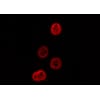
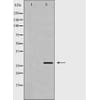
| Application | WB,IHC,IF/ICC,ELISA |
| Recommended Dilution | WB 1:500-1:2000 IHC 1:50-1:200, IF/ICC 1:100-1:500 |
| Concentration | 1 mg/ml |
| Reactive Species | Human,Mouse,Rat |
| Host Species | Rabbit |
| Immunogen | A synthesized peptide derived from humanPSMA3 |
| Specificity | PSMA3 Antibody detects endogenous levels of total PSMA3 |
| Purification | The antiserum was purified by peptide affinity chromatography. |
| Form | Rabbit IgG in phosphate buffered saline , pH 7.4, 150mM NaCl, 0.02% sodium azide and 50% glycerol.Store at -20 °C.Stable for 12 months from date of receipt |
| Gene Name | PSMA3 |
| Accession No. | P25788 |
| Alternate Names | HC8; Macropain subunit C8; MGC12306; MGC32631; Multicatalytic endopeptidase complex subunit C8; Proteasome (prosome macropain) subunit alpha type 3; Proteasome alpha 3 subunit; Proteasome component C8; Proteasome subunit alpha type 3; Proteasome subunit alpha type-3; Proteasome subunit C8; PSA3_HUMAN; PSC8; psmA3; |
| Description | Component of the 20S core proteasome complex involved in the proteolytic degradation of most intracellular proteins. This complex plays numerous essential roles within the cell by associating with different regulatory particles. Associated with two 19S regulatory particles, forms the 26S proteasome and thus participates in the ATP-dependent degradation of ubiquitinated proteins. The 26S proteasome plays a key role in the maintenance of protein homeostasis by removing misfolded or damaged proteins that could impair cellular functions, and by removing proteins whose functions are no longer required. Associated with the PA200 or PA28, the 20S proteasome mediates ubiquitin-independent protein degradation. This type of proteolysis is required in several pathways including spermatogenesis (20S-PA200 complex) or generation of a subset of MHC class I-presented antigenic peptides (20S-PA28 complex). Binds to the C-terminus of CDKN1A and thereby mediates its degradation. Negatively regulates the membrane trafficking of the cell-surface thromboxane A2 receptor (TBXA2R) isoform 2. |
| Cell Pathway/ Category | Primary Polyclonal Antibody |
| Protein MW | 28kDa |
| Usage | For Research Use Only! Not for diagnostic or therapeutic procedures. |