

ITA6490
ITA6490
ITA6490
from
$526.00
Price in reward points: 526
- Catalog: ITA6490
- Gene/Protein: TGFBR2
- Product Description: Immunotag™ TGFBR2 Antibody
-
Description
-
Specifications
Antibody Specification Datasheet 
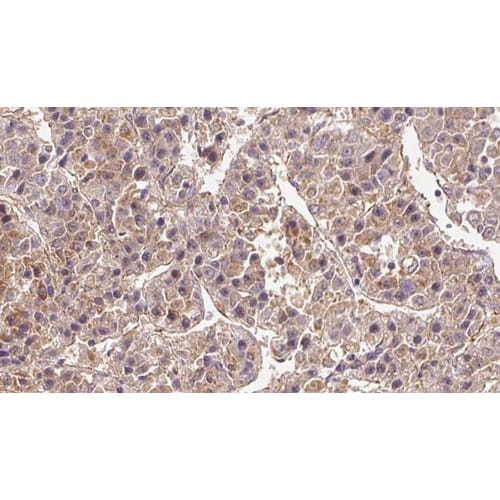
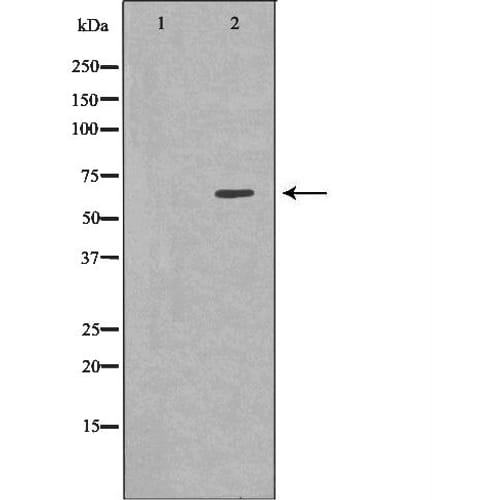
IMPORTANT NOTE This product is custom manufactured with a lead time of 3-4 weeks. Once in production, this item cannot be cancelled from an order and is not eligible for return. Target Protein TGFBR2 Clonality Polyclonal Storage/Stability -20°C/1 year Application WB,IHC,ELISA Recommended Dilution WB 1:500-1:2000 IHC 1:50-1:200 Concentration 1 mg/ml Reactive Species Human,Mouse,Rat Host Species Rabbit Immunogen A synthesized peptide derived from human TGFBR2 Specificity TGFBR2 Antibody detects endogenous levels of total TGFBR2 Purification The antiserum was purified by peptide affinity chromatography. Form Rabbit IgG in phosphate buffered saline , pH 7.4, 150mM NaCl, 0.02% sodium azide and 50% glycerol.Store at -20 °C.Stable for 12 months from date of receipt Gene Name TGFBR2 Accession No. P37173 Alternate Names AAT3; FAA3; LDS1B; LDS2; LDS2B; MFS2; RIIC; TAAD2; TbetaR II; TbetaR-II; TGF beta receptor type 2; TGF beta receptor type II; TGF beta receptor type IIB; TGF beta type II receptor; TGF-beta receptor type II; TGF-beta receptor type-2; TGF-beta type II receptor; TGF-beta-R2; TGFB R2; TGFbeta - RII; TGFbeta RII; Tgfbr2; TGFR-2; TGFR2_HUMAN; Transforming growth factor beta receptor II; Transforming growth factor beta receptor type II; Transforming growth factor beta receptor type IIC; Transforming growth factor, beta receptor II (70/80kDa); transforming growth factor, beta receptor II alpha; transforming growth factor, beta receptor II beta; transforming growth factor, beta receptor II delta; transforming growth factor, beta receptor II epsilon; transforming growth factor, beta receptor II gamma; Transforming growth factor-beta receptor type II; Description Transmembrane serine/threonine kinase forming with the TGF-beta type I serine/threonine kinase receptor, TGFBR1, the non-promiscuous receptor for the TGF-beta cytokines TGFB1, TGFB2 and TGFB3. Transduces the TGFB1, TGFB2 and TGFB3 signal from the cell surface to the cytoplasm and is thus regulating a plethora of physiological and pathological processes including cell cycle arrest in epithelial and hematopoietic cells, control of mesenchymal cell proliferation and differentiation, wound healing, extracellular matrix production, immunosuppression and carcinogenesis. The formation of the receptor complex composed of 2 TGFBR1 and 2 TGFBR2 molecules symmetrically bound to the cytokine dimer results in the phosphorylation and the activation of TGFRB1 by the constitutively active TGFBR2. Activated TGFBR1 phosphorylates SMAD2 which dissociates from the receptor and interacts with SMAD4. The SMAD2-SMAD4 complex is subsequently translocated to the nucleus where it modulates the transcription of the TGF-beta-regulated genes. This constitutes the canonical SMAD-dependent TGF-beta signaling cascade. Also involved in non-canonical, SMAD-independent TGF-beta signaling pathways. Cell Pathway/ Category Primary Polyclonal Antibody Protein MW 65kDa Usage For Research Use Only! Not for diagnostic or therapeutic procedures. - Reviews
| Antibody Specification | |
| Datasheet |
|
| IMPORTANT NOTE | This product is custom manufactured with a lead time of 3-4 weeks. Once in production, this item cannot be cancelled from an order and is not eligible for return. |
| Target Protein | TGFBR2 |
| Clonality | Polyclonal |
| Storage/Stability | -20°C/1 year |
| Application | WB,IHC,ELISA |
| Recommended Dilution | WB 1:500-1:2000 IHC 1:50-1:200 |
| Concentration | 1 mg/ml |
| Reactive Species | Human,Mouse,Rat |
| Host Species | Rabbit |
| Immunogen | A synthesized peptide derived from human TGFBR2 |
| Specificity | TGFBR2 Antibody detects endogenous levels of total TGFBR2 |
| Purification | The antiserum was purified by peptide affinity chromatography. |
| Form | Rabbit IgG in phosphate buffered saline , pH 7.4, 150mM NaCl, 0.02% sodium azide and 50% glycerol.Store at -20 °C.Stable for 12 months from date of receipt |
| Gene Name | TGFBR2 |
| Accession No. | P37173 |
| Alternate Names | AAT3; FAA3; LDS1B; LDS2; LDS2B; MFS2; RIIC; TAAD2; TbetaR II; TbetaR-II; TGF beta receptor type 2; TGF beta receptor type II; TGF beta receptor type IIB; TGF beta type II receptor; TGF-beta receptor type II; TGF-beta receptor type-2; TGF-beta type II receptor; TGF-beta-R2; TGFB R2; TGFbeta - RII; TGFbeta RII; Tgfbr2; TGFR-2; TGFR2_HUMAN; Transforming growth factor beta receptor II; Transforming growth factor beta receptor type II; Transforming growth factor beta receptor type IIC; Transforming growth factor, beta receptor II (70/80kDa); transforming growth factor, beta receptor II alpha; transforming growth factor, beta receptor II beta; transforming growth factor, beta receptor II delta; transforming growth factor, beta receptor II epsilon; transforming growth factor, beta receptor II gamma; Transforming growth factor-beta receptor type II; |
| Description | Transmembrane serine/threonine kinase forming with the TGF-beta type I serine/threonine kinase receptor, TGFBR1, the non-promiscuous receptor for the TGF-beta cytokines TGFB1, TGFB2 and TGFB3. Transduces the TGFB1, TGFB2 and TGFB3 signal from the cell surface to the cytoplasm and is thus regulating a plethora of physiological and pathological processes including cell cycle arrest in epithelial and hematopoietic cells, control of mesenchymal cell proliferation and differentiation, wound healing, extracellular matrix production, immunosuppression and carcinogenesis. The formation of the receptor complex composed of 2 TGFBR1 and 2 TGFBR2 molecules symmetrically bound to the cytokine dimer results in the phosphorylation and the activation of TGFRB1 by the constitutively active TGFBR2. Activated TGFBR1 phosphorylates SMAD2 which dissociates from the receptor and interacts with SMAD4. The SMAD2-SMAD4 complex is subsequently translocated to the nucleus where it modulates the transcription of the TGF-beta-regulated genes. This constitutes the canonical SMAD-dependent TGF-beta signaling cascade. Also involved in non-canonical, SMAD-independent TGF-beta signaling pathways. |
| Cell Pathway/ Category | Primary Polyclonal Antibody |
| Protein MW | 65kDa |
| Usage | For Research Use Only! Not for diagnostic or therapeutic procedures. |