

ITA6618
ITA6618
ITA6618
from
$526.00
Price in reward points: 526
- Catalog: ITA6618
- Gene/Protein: GRK2
- Product Description: Immunotag™ GRK2 Antibody
-
Description
-
Specifications
Antibody Specification Datasheet 
IMPORTANT NOTE This product is custom manufactured with a lead time of 3-4 weeks. Once in production, this item cannot be cancelled from an order and is not eligible for return. Target Protein GRK2 Clonality Polyclonal Storage/Stability -20°C/1 year Application WB,IHC,IF/ICC,ELISA Recommended Dilution WB 1:500-1:2000 IHC 1:50-1:200, IF/ICC 1:100-1:500 Concentration 1 mg/ml Reactive Species Human,Mouse,Rat Host Species Rabbit Immunogen A synthesized peptide derived from human ADRBK1 Specificity ADRBK1 Antibody detects endogenous levels of total ADRBK1 Purification The antiserum was purified by peptide affinity chromatography. Form Rabbit IgG in phosphate buffered saline , pH 7.4, 150mM NaCl, 0.02% sodium azide and 50% glycerol.Store at -20 °C.Stable for 12 months from date of receipt Gene Name GRK2 Accession No. P25098 Alternate Names ADRBK1; Adrenergic beta receptor kinase 1; ARBK1_HUMAN; BARK; BARK1; Beta adrenergic receptor kinase 1; Beta ARK 1; Beta ARK1; Beta-adrenergic receptor kinase 1; Beta-ARK-1; FLJ16718; G protein coupled receptor kinase 2; G-protein coupled receptor kinase 2; GRK2; Description Specifically phosphorylates the agonist-occupied form of the beta-adrenergic and closely related receptors, probably inducing a desensitization of them. Key regulator of LPAR1 signaling. Competes with RALA for binding to LPAR1 thus affecting the signaling properties of the receptor. Desensitizes LPAR1 and LPAR2 in a phosphorylation-independent manner (PubMed:19306925, PubMed:19715378). Positively regulates ciliary smoothened (SMO)-dependent Hedgehog (Hh) signaling pathway by faciltating the trafficking of SMO into the cilium and the stimulation of SMO activity (By similarity). Cell Pathway/ Category Primary Polyclonal Antibody Protein MW 80kDa Usage For Research Use Only! Not for diagnostic or therapeutic procedures. - Reviews
| Antibody Specification | |
| Datasheet |
|
| IMPORTANT NOTE | This product is custom manufactured with a lead time of 3-4 weeks. Once in production, this item cannot be cancelled from an order and is not eligible for return. |
| Target Protein | GRK2 |
| Clonality | Polyclonal |
| Storage/Stability | -20°C/1 year |
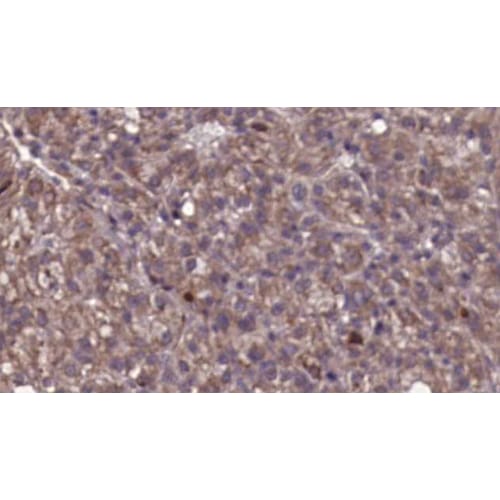
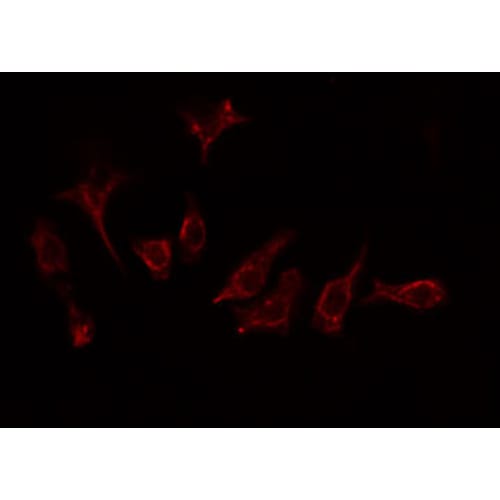
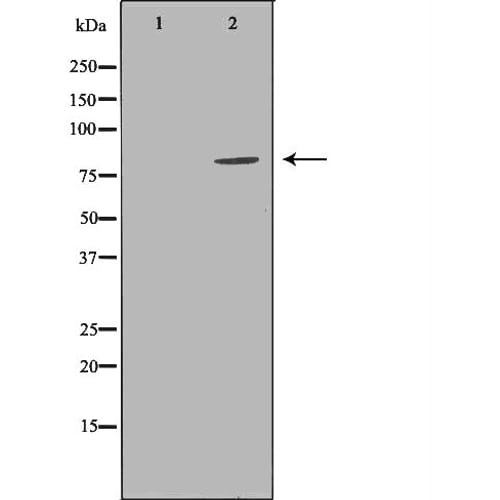
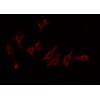
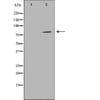
| Application | WB,IHC,IF/ICC,ELISA |
| Recommended Dilution | WB 1:500-1:2000 IHC 1:50-1:200, IF/ICC 1:100-1:500 |
| Concentration | 1 mg/ml |
| Reactive Species | Human,Mouse,Rat |
| Host Species | Rabbit |
| Immunogen | A synthesized peptide derived from human ADRBK1 |
| Specificity | ADRBK1 Antibody detects endogenous levels of total ADRBK1 |
| Purification | The antiserum was purified by peptide affinity chromatography. |
| Form | Rabbit IgG in phosphate buffered saline , pH 7.4, 150mM NaCl, 0.02% sodium azide and 50% glycerol.Store at -20 °C.Stable for 12 months from date of receipt |
| Gene Name | GRK2 |
| Accession No. | P25098 |
| Alternate Names | ADRBK1; Adrenergic beta receptor kinase 1; ARBK1_HUMAN; BARK; BARK1; Beta adrenergic receptor kinase 1; Beta ARK 1; Beta ARK1; Beta-adrenergic receptor kinase 1; Beta-ARK-1; FLJ16718; G protein coupled receptor kinase 2; G-protein coupled receptor kinase 2; GRK2; |
| Description | Specifically phosphorylates the agonist-occupied form of the beta-adrenergic and closely related receptors, probably inducing a desensitization of them. Key regulator of LPAR1 signaling. Competes with RALA for binding to LPAR1 thus affecting the signaling properties of the receptor. Desensitizes LPAR1 and LPAR2 in a phosphorylation-independent manner (PubMed:19306925, PubMed:19715378). Positively regulates ciliary smoothened (SMO)-dependent Hedgehog (Hh) signaling pathway by faciltating the trafficking of SMO into the cilium and the stimulation of SMO activity (By similarity). |
| Cell Pathway/ Category | Primary Polyclonal Antibody |
| Protein MW | 80kDa |
| Usage | For Research Use Only! Not for diagnostic or therapeutic procedures. |