

ITA6709
ITA6709

ITA6709
from
$526.00
Price in reward points: 526
- Catalog: ITA6709
- Gene/Protein: PTPN2
- Product Description: Immunotag™ PTPN2 Antibody
-
Description
-
Specifications
Antibody Specification Datasheet 
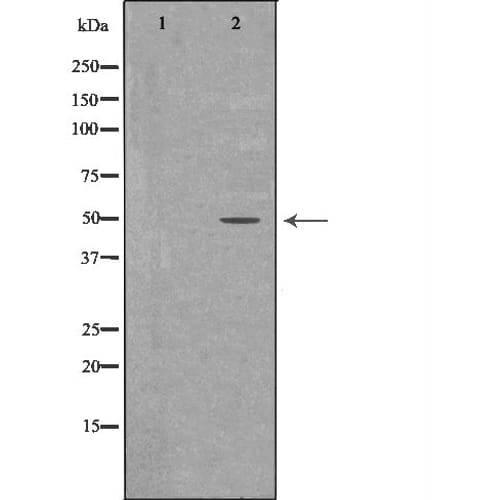
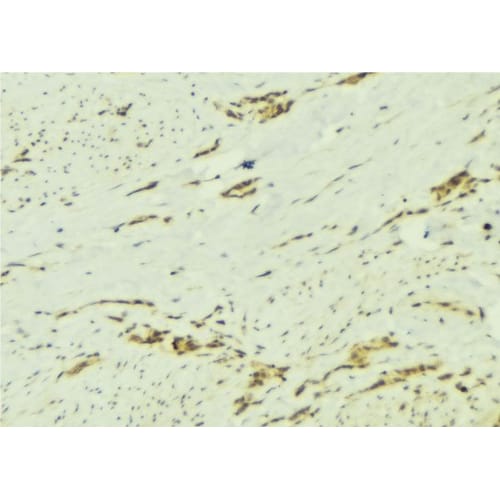
IMPORTANT NOTE This product is custom manufactured with a lead time of 3-4 weeks. Once in production, this item cannot be cancelled from an order and is not eligible for return. Target Protein PTPN2 Clonality Polyclonal Storage/Stability -20°C/1 year Application WB,IHC,ELISA Recommended Dilution WB 1:500-1:2000 IHC 1:50-1:200 Concentration 1 mg/ml Reactive Species Human,Mouse,Rat Host Species Rabbit Immunogen A synthesized peptide derived from human PTPN2 Specificity PTPN2 Antibody detects endogenous levels of total PTPN2 Purification The antiserum was purified by peptide affinity chromatography. Form Rabbit IgG in phosphate buffered saline , pH 7.4, 150mM NaCl, 0.02% sodium azide and 50% glycerol.Store at -20 °C.Stable for 12 months from date of receipt Gene Name PTPN2 Accession No. P17706 Alternate Names Protein tyrosine phosphatase non receptor type 2; PTN2; PTN2_HUMAN; PTPN 2; Ptpn2; PTPT; T cell protein tyrosine phosphatase; T-cell protein-tyrosine phosphatase; TC PTP; TCELLPTP; TCPTP; Tyrosine protein phosphatase non receptor type 2; Tyrosine-protein phosphatase non-receptor type 2; Description Non-receptor type tyrosine-specific phosphatase that dephosphorylates receptor protein tyrosine kinases including INSR, EGFR, CSF1R, PDGFR. Also dephosphorylates non-receptor protein tyrosine kinases like JAK1, JAK2, JAK3, Src family kinases, STAT1, STAT3 and STAT6 either in the nucleus or the cytoplasm. Negatively regulates numerous signaling pathways and biological processes like hematopoiesis, inflammatory response, cell proliferation and differentiation, and glucose homeostasis. Plays a multifaceted and important role in the development of the immune system. Functions in T-cell receptor signaling through dephosphorylation of FYN and LCK to control T-cells differentiation and activation. Dephosphorylates CSF1R, negatively regulating its downstream signaling and macrophage differentiation. Negatively regulates cytokine (IL2/interleukin-2 and interferon)-mediated signaling through dephosphorylation of the cytoplasmic kinases JAK1, JAK3 and their substrate STAT1, that propagate signaling downstream of the cytokine receptors. Also regulates the IL6/interleukin-6 and IL4/interleukin-4 cytokine signaling through dephosphorylation of STAT3 and STAT6 respectively. In addition to the immune system, it is involved in anchorage-dependent, negative regulation of EGF-stimulated cell growth. Activated by the integrin ITGA1/ITGB1, it dephosphorylates EGFR and negatively regulates EGF signaling. Dephosphorylates PDGFRB and negatively regulates platelet-derived growth factor receptor-beta signaling pathway and therefore cell proliferation. Negatively regulates tumor necrosis factor-mediated signaling downstream via MAPK through SRC dephosphorylation. May also regulate the hepatocyte growth factor receptor signaling pathway through dephosphorylation of the hepatocyte growth factor receptor MET. Plays also an important role in glucose homeostasis. For instance, negatively regulates the insulin receptor signaling pathway through the dephosphorylation of INSR and control gluconeogenesis and liver glucose production through negative regulation of the IL6 signaling pathways. May also bind DNA. Cell Pathway/ Category Primary Polyclonal Antibody Protein MW 49kDa Usage For Research Use Only! Not for diagnostic or therapeutic procedures. - Reviews
| Antibody Specification | |
| Datasheet |
|
| IMPORTANT NOTE | This product is custom manufactured with a lead time of 3-4 weeks. Once in production, this item cannot be cancelled from an order and is not eligible for return. |
| Target Protein | PTPN2 |
| Clonality | Polyclonal |
| Storage/Stability | -20°C/1 year |
| Application | WB,IHC,ELISA |
| Recommended Dilution | WB 1:500-1:2000 IHC 1:50-1:200 |
| Concentration | 1 mg/ml |
| Reactive Species | Human,Mouse,Rat |
| Host Species | Rabbit |
| Immunogen | A synthesized peptide derived from human PTPN2 |
| Specificity | PTPN2 Antibody detects endogenous levels of total PTPN2 |
| Purification | The antiserum was purified by peptide affinity chromatography. |
| Form | Rabbit IgG in phosphate buffered saline , pH 7.4, 150mM NaCl, 0.02% sodium azide and 50% glycerol.Store at -20 °C.Stable for 12 months from date of receipt |
| Gene Name | PTPN2 |
| Accession No. | P17706 |
| Alternate Names | Protein tyrosine phosphatase non receptor type 2; PTN2; PTN2_HUMAN; PTPN 2; Ptpn2; PTPT; T cell protein tyrosine phosphatase; T-cell protein-tyrosine phosphatase; TC PTP; TCELLPTP; TCPTP; Tyrosine protein phosphatase non receptor type 2; Tyrosine-protein phosphatase non-receptor type 2; |
| Description | Non-receptor type tyrosine-specific phosphatase that dephosphorylates receptor protein tyrosine kinases including INSR, EGFR, CSF1R, PDGFR. Also dephosphorylates non-receptor protein tyrosine kinases like JAK1, JAK2, JAK3, Src family kinases, STAT1, STAT3 and STAT6 either in the nucleus or the cytoplasm. Negatively regulates numerous signaling pathways and biological processes like hematopoiesis, inflammatory response, cell proliferation and differentiation, and glucose homeostasis. Plays a multifaceted and important role in the development of the immune system. Functions in T-cell receptor signaling through dephosphorylation of FYN and LCK to control T-cells differentiation and activation. Dephosphorylates CSF1R, negatively regulating its downstream signaling and macrophage differentiation. Negatively regulates cytokine (IL2/interleukin-2 and interferon)-mediated signaling through dephosphorylation of the cytoplasmic kinases JAK1, JAK3 and their substrate STAT1, that propagate signaling downstream of the cytokine receptors. Also regulates the IL6/interleukin-6 and IL4/interleukin-4 cytokine signaling through dephosphorylation of STAT3 and STAT6 respectively. In addition to the immune system, it is involved in anchorage-dependent, negative regulation of EGF-stimulated cell growth. Activated by the integrin ITGA1/ITGB1, it dephosphorylates EGFR and negatively regulates EGF signaling. Dephosphorylates PDGFRB and negatively regulates platelet-derived growth factor receptor-beta signaling pathway and therefore cell proliferation. Negatively regulates tumor necrosis factor-mediated signaling downstream via MAPK through SRC dephosphorylation. May also regulate the hepatocyte growth factor receptor signaling pathway through dephosphorylation of the hepatocyte growth factor receptor MET. Plays also an important role in glucose homeostasis. For instance, negatively regulates the insulin receptor signaling pathway through the dephosphorylation of INSR and control gluconeogenesis and liver glucose production through negative regulation of the IL6 signaling pathways. May also bind DNA. |
| Cell Pathway/ Category | Primary Polyclonal Antibody |
| Protein MW | 49kDa |
| Usage | For Research Use Only! Not for diagnostic or therapeutic procedures. |