

ITA6721
ITA6721
ITA6721
from
$526.00
Price in reward points: 526
- Catalog: ITA6721
- Gene/Protein: GRIA1
- Product Description: Immunotag™ GRIA1 Antibody
-
Description
-
Specifications
Antibody Specification Datasheet 
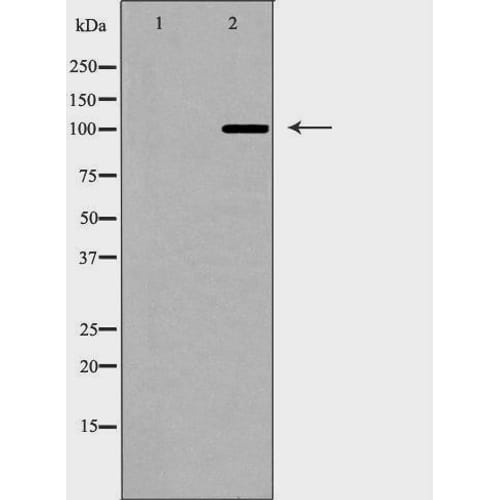
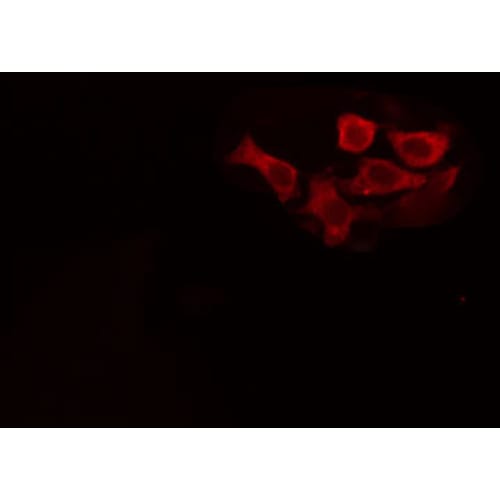
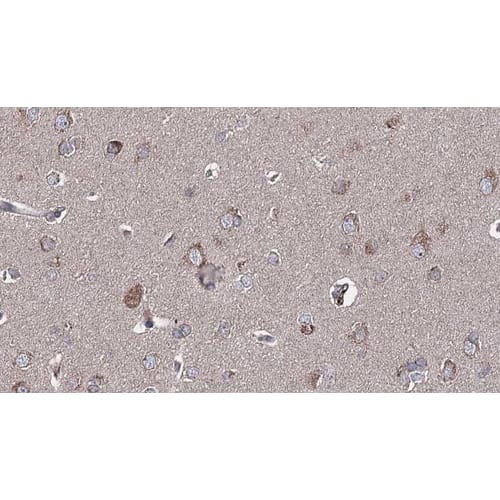
IMPORTANT NOTE This product is custom manufactured with a lead time of 3-4 weeks. Once in production, this item cannot be cancelled from an order and is not eligible for return. Target Protein GRIA1 Clonality Polyclonal Storage/Stability -20°C/1 year Application WB,IHC,IF/ICC,ELISA Recommended Dilution WB 1:500-1:2000 IHC 1:500-1:2000 IF 1:500-1:2000 Concentration 1 mg/ml Reactive Species Human,Mouse,Rat Host Species Rabbit Immunogen A synthetic peptide of human GRIA1 Specificity GRIA1 Antibody detects endogenous levels of total GRIA1 Purification The antiserum was purified by peptide affinity chromatography. Form Rabbit IgG in phosphate buffered saline , pH 7.4, 150mM NaCl, 0.02% sodium azide and 50% glycerol.Store at -20 °C.Stable for 12 months from date of receipt Gene Name GRIA1 Accession No. P42261 Alternate Names GLUR 1; GLUR A; AMPA 1; AMPA selective glutamate receptor 1; AMPA-selective glutamate receptor 1; GluA1; GLUH1; GluR K1; GluR-1; GluR-A; GluR-K1; GLUR1; GLURA; GluRK1; Glutamate receptor 1; Glutamate receptor ionotropic AMPA 1; Glutamate receptor ionotropic; Glutamate receptor, ionotropic, AMPA 1; Gria1; GRIA1_HUMAN; HBGR1; MGC133252; OTTHUMP00000160643; OTTHUMP00000165781; OTTHUMP00000224241; OTTHUMP00000224242; OTTHUMP00000224243; Description Ionotropic glutamate receptor. L-glutamate acts as an excitatory neurotransmitter at many synapses in the central nervous system. Binding of the excitatory neurotransmitter L-glutamate induces a conformation change, leading to the opening of the cation channel, and thereby converts the chemical signal to an electrical impulse. The receptor then desensitizes rapidly and enters a transient inactive state, characterized by the presence of bound agonist. In the presence of CACNG4 or CACNG7 or CACNG8, shows resensitization which is characterized by a delayed accumulation of current flux upon continued application of glutamate. Cell Pathway/ Category Primary Polyclonal Antibody Protein MW 105kDa Usage For Research Use Only! Not for diagnostic or therapeutic procedures. - Reviews
| Antibody Specification | |
| Datasheet |
|
| IMPORTANT NOTE | This product is custom manufactured with a lead time of 3-4 weeks. Once in production, this item cannot be cancelled from an order and is not eligible for return. |
| Target Protein | GRIA1 |
| Clonality | Polyclonal |
| Storage/Stability | -20°C/1 year |
| Application | WB,IHC,IF/ICC,ELISA |
| Recommended Dilution | WB 1:500-1:2000 IHC 1:500-1:2000 IF 1:500-1:2000 |
| Concentration | 1 mg/ml |
| Reactive Species | Human,Mouse,Rat |
| Host Species | Rabbit |
| Immunogen | A synthetic peptide of human GRIA1 |
| Specificity | GRIA1 Antibody detects endogenous levels of total GRIA1 |
| Purification | The antiserum was purified by peptide affinity chromatography. |
| Form | Rabbit IgG in phosphate buffered saline , pH 7.4, 150mM NaCl, 0.02% sodium azide and 50% glycerol.Store at -20 °C.Stable for 12 months from date of receipt |
| Gene Name | GRIA1 |
| Accession No. | P42261 |
| Alternate Names | GLUR 1; GLUR A; AMPA 1; AMPA selective glutamate receptor 1; AMPA-selective glutamate receptor 1; GluA1; GLUH1; GluR K1; GluR-1; GluR-A; GluR-K1; GLUR1; GLURA; GluRK1; Glutamate receptor 1; Glutamate receptor ionotropic AMPA 1; Glutamate receptor ionotropic; Glutamate receptor, ionotropic, AMPA 1; Gria1; GRIA1_HUMAN; HBGR1; MGC133252; OTTHUMP00000160643; OTTHUMP00000165781; OTTHUMP00000224241; OTTHUMP00000224242; OTTHUMP00000224243; |
| Description | Ionotropic glutamate receptor. L-glutamate acts as an excitatory neurotransmitter at many synapses in the central nervous system. Binding of the excitatory neurotransmitter L-glutamate induces a conformation change, leading to the opening of the cation channel, and thereby converts the chemical signal to an electrical impulse. The receptor then desensitizes rapidly and enters a transient inactive state, characterized by the presence of bound agonist. In the presence of CACNG4 or CACNG7 or CACNG8, shows resensitization which is characterized by a delayed accumulation of current flux upon continued application of glutamate. |
| Cell Pathway/ Category | Primary Polyclonal Antibody |
| Protein MW | 105kDa |
| Usage | For Research Use Only! Not for diagnostic or therapeutic procedures. |