

ITA6735
ITA6735
ITA6735
from
$526.00
Price in reward points: 526
- Catalog: ITA6735
- Gene/Protein: OPTN
- Product Description: Immunotag™ OPTN Antibody
-
Description
-
Specifications
Antibody Specification Datasheet 
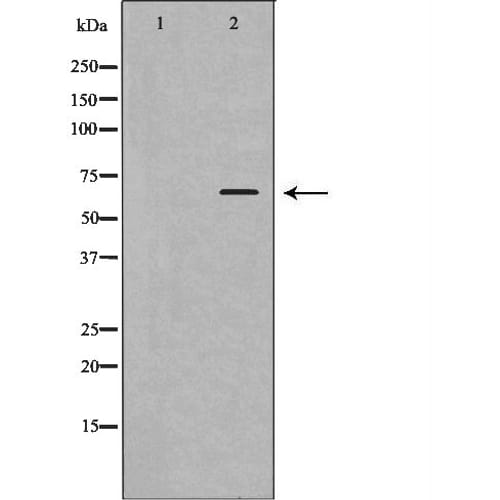
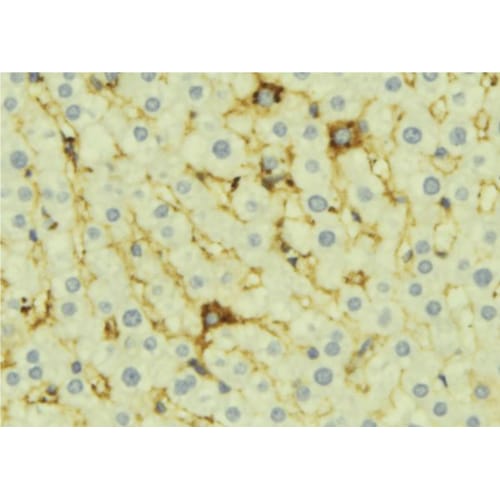
IMPORTANT NOTE This product is custom manufactured with a lead time of 3-4 weeks. Once in production, this item cannot be cancelled from an order and is not eligible for return. Target Protein OPTN Clonality Polyclonal Storage/Stability -20°C/1 year Application WB,IHC,ELISA Recommended Dilution WB 1:500-1:2000 IHC 1:50-1:200 Concentration 1 mg/ml Reactive Species Human,Mouse,Rat Host Species Rabbit Immunogen A synthesized peptide derived from human OPTN Specificity OPTN Antibody detects endogenous levels of total OPTN Purification The antiserum was purified by peptide affinity chromatography. Form Rabbit IgG in phosphate buffered saline , pH 7.4, 150mM NaCl, 0.02% sodium azide and 50% glycerol.Store at -20 °C.Stable for 12 months from date of receipt Gene Name OPTN Accession No. Q96CV9 Alternate Names 14.7K interacting protein; Ag9 C5; ALS12; E3 14.7K interacting protein; E3-14.7K-interacting protein; FIP 2; FIP-2; FIP2; Glaucoma 1 open angle E (adult onset); Glaucoma 1 open angle E; GLC1E; HIP 7; HIP-7; HIP7; Huntingtin interacting protein 7; Huntingtin interacting protein HYPL; Huntingtin interacting protein L; Huntingtin yeast partner L; Huntingtin-interacting protein 7; Huntingtin-interacting protein L; HYPL; Injury inducible protein I 55; NEMO related protein; NEMO-related protein; NRP; Optic neuropathy inducing protein; Optic neuropathy-inducing protein; Optineurin; OPTN; OPTN_HUMAN; TFIIIA IntP; TFIIIA-IntP; Transcription factor IIIA interacting protein; Transcription factor IIIA-interacting protein; Tumor necrosis factor alpha inducible cellular protein containing leucine zipper domains; Description Plays an important role in the maintenance of the Golgi complex, in membrane trafficking, in exocytosis, through its interaction with myosin VI and Rab8 (PubMed:27534431). Links myosin VI to the Golgi complex and plays an important role in Golgi ribbon formation (PubMed:27534431). Plays a role in the activation of innate immune response during viral infection. Mechanistically, recruits TBK1 at the Golgi apparatus, promoting its trans-phosphorylation after RLR or TLR3 stimulation (PubMed:27538435). In turn, activated TBK1 phosphorylates its downstream partner IRF3 to produce IFN-beta. Plays a neuroprotective role in the eye and optic nerve. May act by regulating membrane trafficking and cellular morphogenesis via a complex that contains Rab8 and hungtingtin (HD). Mediates the interaction of Rab8 with the probable GTPase-activating protein TBC1D17 during Rab8-mediated endocytic trafficking, such as of transferrin receptor (TFRC/TfR); regulates Rab8 recruitment to tubules emanating from the endocytic recycling compartment. Autophagy receptor that interacts directly with both the cargo to become degraded and an autophagy modifier of the MAP1 LC3 family; targets ubiquitin-coated bacteria (xenophagy), such as cytoplasmic Salmonella enterica, and appears to function in the same pathway as SQSTM1 and CALCOCO2/NDP52. Cell Pathway/ Category Primary Polyclonal Antibody Protein MW 66kDa Usage For Research Use Only! Not for diagnostic or therapeutic procedures. - Reviews
| Antibody Specification | |
| Datasheet |
|
| IMPORTANT NOTE | This product is custom manufactured with a lead time of 3-4 weeks. Once in production, this item cannot be cancelled from an order and is not eligible for return. |
| Target Protein | OPTN |
| Clonality | Polyclonal |
| Storage/Stability | -20°C/1 year |
| Application | WB,IHC,ELISA |
| Recommended Dilution | WB 1:500-1:2000 IHC 1:50-1:200 |
| Concentration | 1 mg/ml |
| Reactive Species | Human,Mouse,Rat |
| Host Species | Rabbit |
| Immunogen | A synthesized peptide derived from human OPTN |
| Specificity | OPTN Antibody detects endogenous levels of total OPTN |
| Purification | The antiserum was purified by peptide affinity chromatography. |
| Form | Rabbit IgG in phosphate buffered saline , pH 7.4, 150mM NaCl, 0.02% sodium azide and 50% glycerol.Store at -20 °C.Stable for 12 months from date of receipt |
| Gene Name | OPTN |
| Accession No. | Q96CV9 |
| Alternate Names | 14.7K interacting protein; Ag9 C5; ALS12; E3 14.7K interacting protein; E3-14.7K-interacting protein; FIP 2; FIP-2; FIP2; Glaucoma 1 open angle E (adult onset); Glaucoma 1 open angle E; GLC1E; HIP 7; HIP-7; HIP7; Huntingtin interacting protein 7; Huntingtin interacting protein HYPL; Huntingtin interacting protein L; Huntingtin yeast partner L; Huntingtin-interacting protein 7; Huntingtin-interacting protein L; HYPL; Injury inducible protein I 55; NEMO related protein; NEMO-related protein; NRP; Optic neuropathy inducing protein; Optic neuropathy-inducing protein; Optineurin; OPTN; OPTN_HUMAN; TFIIIA IntP; TFIIIA-IntP; Transcription factor IIIA interacting protein; Transcription factor IIIA-interacting protein; Tumor necrosis factor alpha inducible cellular protein containing leucine zipper domains; |
| Description | Plays an important role in the maintenance of the Golgi complex, in membrane trafficking, in exocytosis, through its interaction with myosin VI and Rab8 (PubMed:27534431). Links myosin VI to the Golgi complex and plays an important role in Golgi ribbon formation (PubMed:27534431). Plays a role in the activation of innate immune response during viral infection. Mechanistically, recruits TBK1 at the Golgi apparatus, promoting its trans-phosphorylation after RLR or TLR3 stimulation (PubMed:27538435). In turn, activated TBK1 phosphorylates its downstream partner IRF3 to produce IFN-beta. Plays a neuroprotective role in the eye and optic nerve. May act by regulating membrane trafficking and cellular morphogenesis via a complex that contains Rab8 and hungtingtin (HD). Mediates the interaction of Rab8 with the probable GTPase-activating protein TBC1D17 during Rab8-mediated endocytic trafficking, such as of transferrin receptor (TFRC/TfR); regulates Rab8 recruitment to tubules emanating from the endocytic recycling compartment. Autophagy receptor that interacts directly with both the cargo to become degraded and an autophagy modifier of the MAP1 LC3 family; targets ubiquitin-coated bacteria (xenophagy), such as cytoplasmic Salmonella enterica, and appears to function in the same pathway as SQSTM1 and CALCOCO2/NDP52. |
| Cell Pathway/ Category | Primary Polyclonal Antibody |
| Protein MW | 66kDa |
| Usage | For Research Use Only! Not for diagnostic or therapeutic procedures. |