

ITA6977
ITA6977
ITA6977
from
$526.00
Price in reward points: 526
- Catalog: ITA6977
- Gene/Protein: LCK
- Product Description: Immunotag™ LCK Antibody
-
Description
-
Specifications
Antibody Specification Datasheet 
IMPORTANT NOTE This product is custom manufactured with a lead time of 3-4 weeks. Once in production, this item cannot be cancelled from an order and is not eligible for return. Target Protein LCK Clonality Polyclonal Storage/Stability -20°C/1 year Application WB,IHC,IF/ICC,ELISA Recommended Dilution WB 1:500-1:2000 IHC 1:50-1:200, IF/ICC 1:100-1:500 Concentration 1 mg/ml Reactive Species Human,Mouse,Rat Host Species Rabbit Immunogen A synthesized peptide derived from human LCK Specificity LCK Antibody detects endogenous levels of total LCK Purification The antiserum was purified by peptide affinity chromatography. Form Rabbit IgG in phosphate buffered saline , pH 7.4, 150mM NaCl, 0.02% sodium azide and 50% glycerol.Store at -20 °C.Stable for 12 months from date of receipt Gene Name LCK Accession No. P06239 Alternate Names IMD22; LCK; Lck p56; LCK proto-oncogene, Src family tyrosine kinase; LCK_HUMAN; Leukocyte C-terminal Src kinase; LSK; Lymphocyte cell specific protein tyrosine kinase; Lymphocyte cell-specific protein-tyrosine kinase; Lymphocyte specific protein tyrosine kinase; Membrane associated protein tyrosine kinase; Oncogene lck; P56 LCK; p56(LSTRA) protein tyrosine kinase; p56-LCK; p56lck; pp58 lck; pp58lck; Protein YT16; Proto oncogene tyrosine protein kinase LCK; Proto-oncogene Lck; Protooncogene tyrosine protein kinase LCK; T cell specific protein tyrosine kinase; T cell-specific protein-tyrosine kinase; T lymphocyte specific protein tyrosine kinase p56lck; Tyrosine-protein kinase Lck; YT 16; YT16; Description Non-receptor tyrosine-protein kinase that plays an essential role in the selection and maturation of developing T-cells in the thymus and in the function of mature T-cells. Plays a key role in T-cell antigen receptor (TCR)-linked signal transduction pathways. Constitutively associated with the cytoplasmic portions of the CD4 and CD8 surface receptors. Association of the TCR with a peptide antigen-bound MHC complex facilitates the interaction of CD4 and CD8 with MHC class II and class I molecules, respectively, thereby recruiting the associated LCK protein to the vicinity of the TCR/CD3 complex. LCK then phosphorylates tyrosine residues within the immunoreceptor tyrosine-based activation motifs (ITAM) of the cytoplasmic tails of the TCR-gamma chains and CD3 subunits, initiating the TCR/CD3 signaling pathway. Once stimulated, the TCR recruits the tyrosine kinase ZAP70, that becomes phosphorylated and activated by LCK. Following this, a large number of signaling molecules are recruited, ultimately leading to lymphokine production. LCK also contributes to signaling by other receptor molecules. Associates directly with the cytoplasmic tail of CD2, which leads to hyperphosphorylation and activation of LCK. Also plays a role in the IL2 receptor-linked signaling pathway that controls the T-cell proliferative response. Binding of IL2 to its receptor results in increased activity of LCK. Is expressed at all stages of thymocyte development and is required for the regulation of maturation events that are governed by both pre-TCR and mature alpha beta TCR. Phosphorylates other substrates including RUNX3, PTK2B/PYK2, the microtubule-associated protein MAPT, RHOH or TYROBP. Interacts with FYB2 (PubMed:27335501). Cell Pathway/ Category Primary Polyclonal Antibody Protein MW 56kDa Usage For Research Use Only! Not for diagnostic or therapeutic procedures. - Reviews
| Antibody Specification | |
| Datasheet |
|
| IMPORTANT NOTE | This product is custom manufactured with a lead time of 3-4 weeks. Once in production, this item cannot be cancelled from an order and is not eligible for return. |
| Target Protein | LCK |
| Clonality | Polyclonal |
| Storage/Stability | -20°C/1 year |
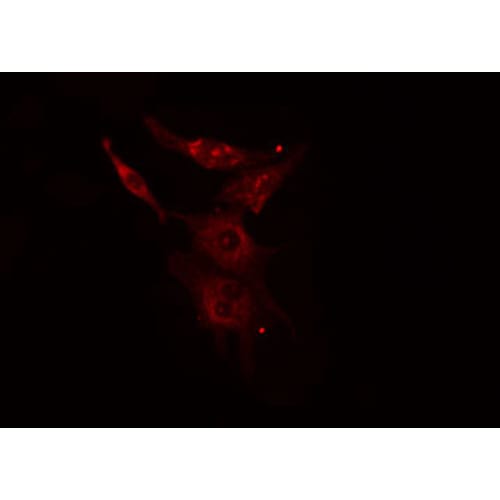
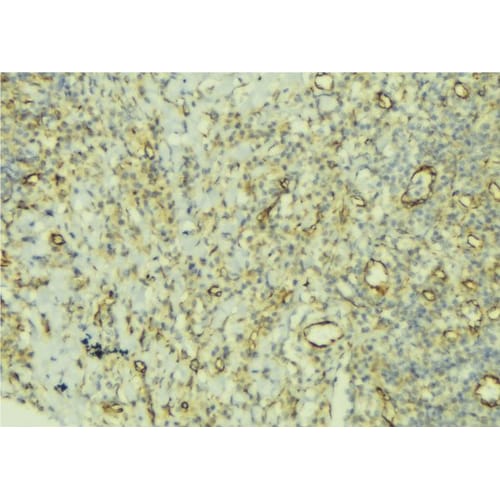
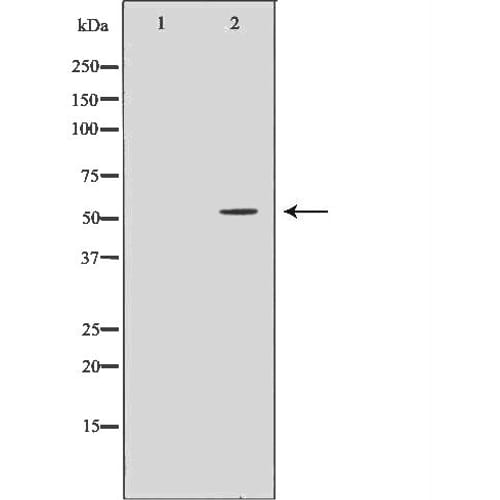
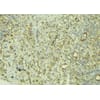
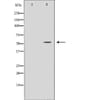
| Application | WB,IHC,IF/ICC,ELISA |
| Recommended Dilution | WB 1:500-1:2000 IHC 1:50-1:200, IF/ICC 1:100-1:500 |
| Concentration | 1 mg/ml |
| Reactive Species | Human,Mouse,Rat |
| Host Species | Rabbit |
| Immunogen | A synthesized peptide derived from human LCK |
| Specificity | LCK Antibody detects endogenous levels of total LCK |
| Purification | The antiserum was purified by peptide affinity chromatography. |
| Form | Rabbit IgG in phosphate buffered saline , pH 7.4, 150mM NaCl, 0.02% sodium azide and 50% glycerol.Store at -20 °C.Stable for 12 months from date of receipt |
| Gene Name | LCK |
| Accession No. | P06239 |
| Alternate Names | IMD22; LCK; Lck p56; LCK proto-oncogene, Src family tyrosine kinase; LCK_HUMAN; Leukocyte C-terminal Src kinase; LSK; Lymphocyte cell specific protein tyrosine kinase; Lymphocyte cell-specific protein-tyrosine kinase; Lymphocyte specific protein tyrosine kinase; Membrane associated protein tyrosine kinase; Oncogene lck; P56 LCK; p56(LSTRA) protein tyrosine kinase; p56-LCK; p56lck; pp58 lck; pp58lck; Protein YT16; Proto oncogene tyrosine protein kinase LCK; Proto-oncogene Lck; Protooncogene tyrosine protein kinase LCK; T cell specific protein tyrosine kinase; T cell-specific protein-tyrosine kinase; T lymphocyte specific protein tyrosine kinase p56lck; Tyrosine-protein kinase Lck; YT 16; YT16; |
| Description | Non-receptor tyrosine-protein kinase that plays an essential role in the selection and maturation of developing T-cells in the thymus and in the function of mature T-cells. Plays a key role in T-cell antigen receptor (TCR)-linked signal transduction pathways. Constitutively associated with the cytoplasmic portions of the CD4 and CD8 surface receptors. Association of the TCR with a peptide antigen-bound MHC complex facilitates the interaction of CD4 and CD8 with MHC class II and class I molecules, respectively, thereby recruiting the associated LCK protein to the vicinity of the TCR/CD3 complex. LCK then phosphorylates tyrosine residues within the immunoreceptor tyrosine-based activation motifs (ITAM) of the cytoplasmic tails of the TCR-gamma chains and CD3 subunits, initiating the TCR/CD3 signaling pathway. Once stimulated, the TCR recruits the tyrosine kinase ZAP70, that becomes phosphorylated and activated by LCK. Following this, a large number of signaling molecules are recruited, ultimately leading to lymphokine production. LCK also contributes to signaling by other receptor molecules. Associates directly with the cytoplasmic tail of CD2, which leads to hyperphosphorylation and activation of LCK. Also plays a role in the IL2 receptor-linked signaling pathway that controls the T-cell proliferative response. Binding of IL2 to its receptor results in increased activity of LCK. Is expressed at all stages of thymocyte development and is required for the regulation of maturation events that are governed by both pre-TCR and mature alpha beta TCR. Phosphorylates other substrates including RUNX3, PTK2B/PYK2, the microtubule-associated protein MAPT, RHOH or TYROBP. Interacts with FYB2 (PubMed:27335501). |
| Cell Pathway/ Category | Primary Polyclonal Antibody |
| Protein MW | 56kDa |
| Usage | For Research Use Only! Not for diagnostic or therapeutic procedures. |