

ITA7044
ITA7044
ITA7044
from
$526.00
Price in reward points: 526
- Catalog: ITA7044
- Gene/Protein: RIPK2
- Product Description: Immunotag™ RIPK2 Antibody
-
Description
-
Specifications
Antibody Specification Datasheet 
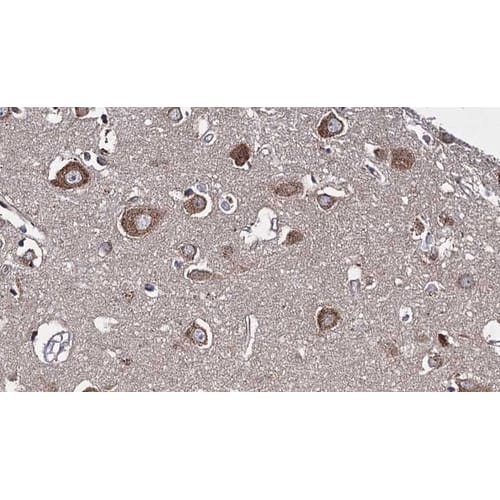
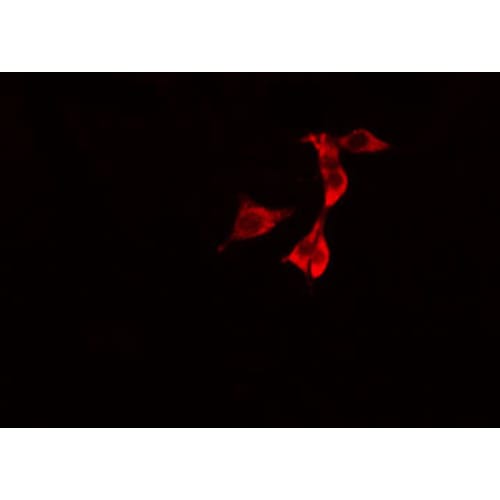
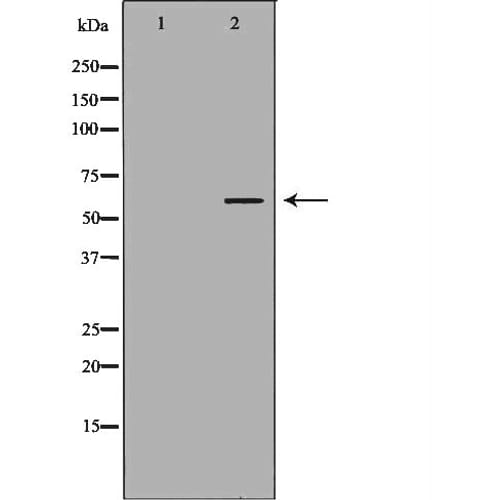
IMPORTANT NOTE This product is custom manufactured with a lead time of 3-4 weeks. Once in production, this item cannot be cancelled from an order and is not eligible for return. Target Protein RIPK2 Clonality Polyclonal Storage/Stability -20°C/1 year Application WB,IHC,IF/ICC,ELISA Recommended Dilution WB 1:500-1:2000 IHC 1:50-1:200, IF/ICC 1:100-1:500 Concentration 1 mg/ml Reactive Species Human,Mouse,Rat Host Species Rabbit Immunogen A synthesized peptide derived from human RIPK2 Specificity RIPK2 Antibody detects endogenous levels of total RIPK2 Purification The antiserum was purified by peptide affinity chromatography. Form Rabbit IgG in phosphate buffered saline , pH 7.4, 150mM NaCl, 0.02% sodium azide and 50% glycerol.Store at -20 °C.Stable for 12 months from date of receipt Gene Name RIPK2 Accession No. O43353 Alternate Names CARD 3; CARD carrying kinase; CARD containing ICE associated kinase; CARD containing IL 1 beta ICE kinase; CARD containing IL1 beta ICE kinase; CARD containing interleukin 1 beta converting enzyme (ICE) associated kinase; CARD containing interleukin 1 beta converting enzyme associated kinase; CARD-containing IL-1 beta ICE-kinase; CARD-containing interleukin-1 beta-converting enzyme-associated kinase; CARD3; CARDIAK; CCK; CLARP kinase; GIG 30; GIG30; Growth inhibiting gene 30; Receptor interacting protein (RIP) like interacting caspase like apoptosis regulatory protein (CLARP) kinase; Receptor interacting protein 2; Receptor interacting serine threonine kinase 2; Receptor interacting serine/threonine protein kinase 2; Receptor-interacting protein 2; Receptor-interacting serine/threonine-protein kinase 2; RICK; RIP 2; RIP like interacting CLARP kinase; RIP-2; RIP-like-interacting CLARP kinase; RIPK 2; Ripk2; RIPK2_HUMAN; TNFRSF; Tyrosine-protein kinase RIPK2; UNQ277/PRO314/PRO34092; Description Serine/threonine/tyrosine kinase that plays an essential role in modulation of innate and adaptive immune responses. Upon stimulation by bacterial peptidoglycans, NOD1 and NOD2 are activated, oligomerize and recruit RIPK2 through CARD-CARD domains. Contributes to the tyrosine phosphorylation of the guanine exchange factor ARHGEF2 through Src tyrosine kinase leading to NF-kappaB activation by NOD2. Once recruited, RIPK2 autophosphorylates and undergoes 'Lys-63'-linked polyubiquitination by E3 ubiquitin ligases XIAP, BIRC2 and BIRC3. The polyubiquitinated protein mediates the recruitment of MAP3K7/TAK1 to IKBKG/NEMO and induces 'Lys-63'-linked polyubiquitination of IKBKG/NEMO and subsequent activation of IKBKB/IKKB. In turn, NF-kappa-B is released from NF-kappa-B inhibitors and translocates into the nucleus where it activates the transcription of hundreds of genes involved in immune response, growth control, or protection against apoptosis. Plays also a role during engagement of the T-cell receptor (TCR) in promoting BCL10 phosphorylation and subsequent NF-kappa-B activation. Cell Pathway/ Category Primary Polyclonal Antibody Protein MW 61kDa Usage For Research Use Only! Not for diagnostic or therapeutic procedures. - Reviews
| Antibody Specification | |
| Datasheet |
|
| IMPORTANT NOTE | This product is custom manufactured with a lead time of 3-4 weeks. Once in production, this item cannot be cancelled from an order and is not eligible for return. |
| Target Protein | RIPK2 |
| Clonality | Polyclonal |
| Storage/Stability | -20°C/1 year |
| Application | WB,IHC,IF/ICC,ELISA |
| Recommended Dilution | WB 1:500-1:2000 IHC 1:50-1:200, IF/ICC 1:100-1:500 |
| Concentration | 1 mg/ml |
| Reactive Species | Human,Mouse,Rat |
| Host Species | Rabbit |
| Immunogen | A synthesized peptide derived from human RIPK2 |
| Specificity | RIPK2 Antibody detects endogenous levels of total RIPK2 |
| Purification | The antiserum was purified by peptide affinity chromatography. |
| Form | Rabbit IgG in phosphate buffered saline , pH 7.4, 150mM NaCl, 0.02% sodium azide and 50% glycerol.Store at -20 °C.Stable for 12 months from date of receipt |
| Gene Name | RIPK2 |
| Accession No. | O43353 |
| Alternate Names | CARD 3; CARD carrying kinase; CARD containing ICE associated kinase; CARD containing IL 1 beta ICE kinase; CARD containing IL1 beta ICE kinase; CARD containing interleukin 1 beta converting enzyme (ICE) associated kinase; CARD containing interleukin 1 beta converting enzyme associated kinase; CARD-containing IL-1 beta ICE-kinase; CARD-containing interleukin-1 beta-converting enzyme-associated kinase; CARD3; CARDIAK; CCK; CLARP kinase; GIG 30; GIG30; Growth inhibiting gene 30; Receptor interacting protein (RIP) like interacting caspase like apoptosis regulatory protein (CLARP) kinase; Receptor interacting protein 2; Receptor interacting serine threonine kinase 2; Receptor interacting serine/threonine protein kinase 2; Receptor-interacting protein 2; Receptor-interacting serine/threonine-protein kinase 2; RICK; RIP 2; RIP like interacting CLARP kinase; RIP-2; RIP-like-interacting CLARP kinase; RIPK 2; Ripk2; RIPK2_HUMAN; TNFRSF; Tyrosine-protein kinase RIPK2; UNQ277/PRO314/PRO34092; |
| Description | Serine/threonine/tyrosine kinase that plays an essential role in modulation of innate and adaptive immune responses. Upon stimulation by bacterial peptidoglycans, NOD1 and NOD2 are activated, oligomerize and recruit RIPK2 through CARD-CARD domains. Contributes to the tyrosine phosphorylation of the guanine exchange factor ARHGEF2 through Src tyrosine kinase leading to NF-kappaB activation by NOD2. Once recruited, RIPK2 autophosphorylates and undergoes 'Lys-63'-linked polyubiquitination by E3 ubiquitin ligases XIAP, BIRC2 and BIRC3. The polyubiquitinated protein mediates the recruitment of MAP3K7/TAK1 to IKBKG/NEMO and induces 'Lys-63'-linked polyubiquitination of IKBKG/NEMO and subsequent activation of IKBKB/IKKB. In turn, NF-kappa-B is released from NF-kappa-B inhibitors and translocates into the nucleus where it activates the transcription of hundreds of genes involved in immune response, growth control, or protection against apoptosis. Plays also a role during engagement of the T-cell receptor (TCR) in promoting BCL10 phosphorylation and subsequent NF-kappa-B activation. |
| Cell Pathway/ Category | Primary Polyclonal Antibody |
| Protein MW | 61kDa |
| Usage | For Research Use Only! Not for diagnostic or therapeutic procedures. |