

ITA7162
ITA7162
ITA7162
from
$526.00
Price in reward points: 526
- Catalog: ITA7162
- Gene/Protein: VCP
- Product Description: Immunotag™ VCP Antibody
-
Description
-
Specifications
Antibody Specification Datasheet 
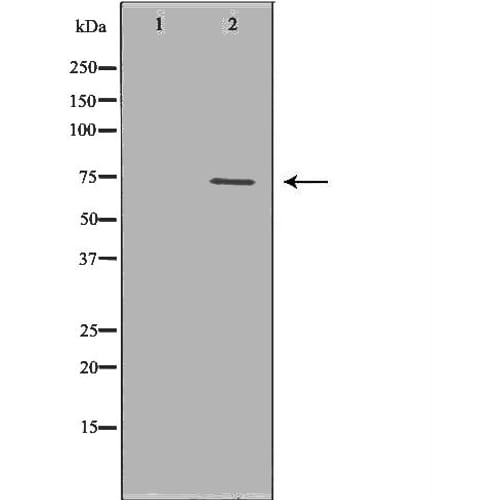
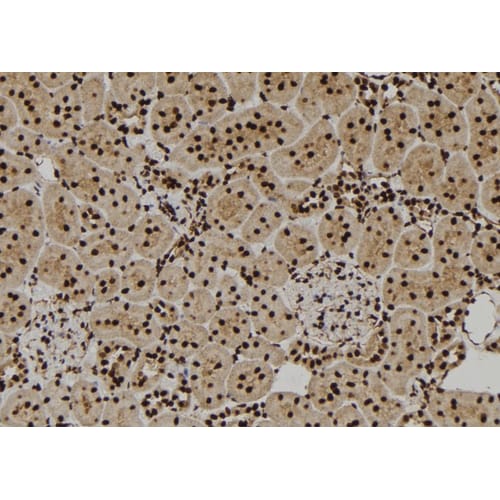
IMPORTANT NOTE This product is custom manufactured with a lead time of 3-4 weeks. Once in production, this item cannot be cancelled from an order and is not eligible for return. Target Protein VCP Clonality Polyclonal Storage/Stability -20°C/1 year Application WB,IHC,ELISA Recommended Dilution WB 1:500-1:2000 IHC 1:50-1:100 Concentration 1 mg/ml Reactive Species Human,Mouse,Rat Host Species Rabbit Immunogen A synthetic peptide of human VCP Specificity VCP Antibody detects endogenous levels of total VCP Purification The antiserum was purified by peptide affinity chromatography. Form Rabbit IgG in phosphate buffered saline , pH 7.4, 150mM NaCl, 0.02% sodium azide and 50% glycerol.Store at -20 °C.Stable for 12 months from date of receipt Gene Name VCP Accession No. P55072 Alternate Names 15S Mg(2+) ATPase p97 subunit; 15S Mg(2+)-ATPase p97 subunit; ALS14; ATPase p97; CDC48; IBMPFD; MGC131997; MGC148092; MGC8560; p97; TER ATPase; TERA; TERA_HUMAN; Transitional endoplasmic reticulum ATPase; Valosin containing protein; Valosin-containing protein; VCP; Yeast Cdc48p homolog; Description Necessary for the fragmentation of Golgi stacks during mitosis and for their reassembly after mitosis. Involved in the formation of the transitional endoplasmic reticulum (tER). The transfer of membranes from the endoplasmic reticulum to the Golgi apparatus occurs via 50-70 nm transition vesicles which derive from part-rough, part-smooth transitional elements of the endoplasmic reticulum (tER). Vesicle budding from the tER is an ATP-dependent process. The ternary complex containing UFD1, VCP and NPLOC4 binds ubiquitinated proteins and is necessary for the export of misfolded proteins from the ER to the cytoplasm, where they are degraded by the proteasome. The NPLOC4-UFD1-VCP complex regulates spindle disassembly at the end of mitosis and is necessary for the formation of a closed nuclear envelope. Regulates E3 ubiquitin-protein ligase activity of RNF19A. Component of the VCP/p97-AMFR/gp78 complex that participates in the final step of the sterol-mediated ubiquitination and endoplasmic reticulum-associated degradation (ERAD) of HMGCR. Involved in endoplasmic reticulum stress-induced pre-emptive quality control, a mechanism that selectively attenuates the translocation of newly synthesized proteins into the endoplasmic reticulum and reroutes them to the cytosol for proteasomal degradation (PubMed:26565908). Also involved in DNA damage response: recruited to double-strand breaks (DSBs) sites in a RNF8- and RNF168-dependent manner and promotes the recruitment of TP53BP1 at DNA damage sites (PubMed:22020440, PubMed:22120668). Recruited to stalled replication forks by SPRTN: may act by mediating extraction of DNA polymerase eta (POLH) to prevent excessive translesion DNA synthesis and limit the incidence of mutations induced by DNA damage (PubMed:23042607, PubMed:23042605). Required for cytoplasmic retrotranslocation of stressed/damaged mitochondrial outer-membrane proteins and their subsequent proteasomal degradation (PubMed:16186510, PubMed:21118995). Essential for the maturation of ubiquitin-containing autophagosomes and the clearance of ubiquitinated protein by autophagy (PubMed:20104022, PubMed:27753622). Acts as a negative regulator of type I interferon production by interacting with DDX58/RIG-I: interaction takes place when DDX58/RIG-I is ubiquitinated via 'Lys-63'-linked ubiquitin on its CARD domains, leading to recruit RNF125 and promote ubiquitination and degradation of DDX58/RIG-I (PubMed:26471729). May play a role in the ubiquitin-dependent sorting of membrane proteins to lysosomes where they undergo degradation (PubMed:21822278). May more particularly play a role in caveolins sorting in cells (PubMed:21822278, PubMed:23335559). Cell Pathway/ Category Primary Polyclonal Antibody Protein MW 71kDa Usage For Research Use Only! Not for diagnostic or therapeutic procedures. - Reviews
| Antibody Specification | |
| Datasheet |
|
| IMPORTANT NOTE | This product is custom manufactured with a lead time of 3-4 weeks. Once in production, this item cannot be cancelled from an order and is not eligible for return. |
| Target Protein | VCP |
| Clonality | Polyclonal |
| Storage/Stability | -20°C/1 year |
| Application | WB,IHC,ELISA |
| Recommended Dilution | WB 1:500-1:2000 IHC 1:50-1:100 |
| Concentration | 1 mg/ml |
| Reactive Species | Human,Mouse,Rat |
| Host Species | Rabbit |
| Immunogen | A synthetic peptide of human VCP |
| Specificity | VCP Antibody detects endogenous levels of total VCP |
| Purification | The antiserum was purified by peptide affinity chromatography. |
| Form | Rabbit IgG in phosphate buffered saline , pH 7.4, 150mM NaCl, 0.02% sodium azide and 50% glycerol.Store at -20 °C.Stable for 12 months from date of receipt |
| Gene Name | VCP |
| Accession No. | P55072 |
| Alternate Names | 15S Mg(2+) ATPase p97 subunit; 15S Mg(2+)-ATPase p97 subunit; ALS14; ATPase p97; CDC48; IBMPFD; MGC131997; MGC148092; MGC8560; p97; TER ATPase; TERA; TERA_HUMAN; Transitional endoplasmic reticulum ATPase; Valosin containing protein; Valosin-containing protein; VCP; Yeast Cdc48p homolog; |
| Description | Necessary for the fragmentation of Golgi stacks during mitosis and for their reassembly after mitosis. Involved in the formation of the transitional endoplasmic reticulum (tER). The transfer of membranes from the endoplasmic reticulum to the Golgi apparatus occurs via 50-70 nm transition vesicles which derive from part-rough, part-smooth transitional elements of the endoplasmic reticulum (tER). Vesicle budding from the tER is an ATP-dependent process. The ternary complex containing UFD1, VCP and NPLOC4 binds ubiquitinated proteins and is necessary for the export of misfolded proteins from the ER to the cytoplasm, where they are degraded by the proteasome. The NPLOC4-UFD1-VCP complex regulates spindle disassembly at the end of mitosis and is necessary for the formation of a closed nuclear envelope. Regulates E3 ubiquitin-protein ligase activity of RNF19A. Component of the VCP/p97-AMFR/gp78 complex that participates in the final step of the sterol-mediated ubiquitination and endoplasmic reticulum-associated degradation (ERAD) of HMGCR. Involved in endoplasmic reticulum stress-induced pre-emptive quality control, a mechanism that selectively attenuates the translocation of newly synthesized proteins into the endoplasmic reticulum and reroutes them to the cytosol for proteasomal degradation (PubMed:26565908). Also involved in DNA damage response: recruited to double-strand breaks (DSBs) sites in a RNF8- and RNF168-dependent manner and promotes the recruitment of TP53BP1 at DNA damage sites (PubMed:22020440, PubMed:22120668). Recruited to stalled replication forks by SPRTN: may act by mediating extraction of DNA polymerase eta (POLH) to prevent excessive translesion DNA synthesis and limit the incidence of mutations induced by DNA damage (PubMed:23042607, PubMed:23042605). Required for cytoplasmic retrotranslocation of stressed/damaged mitochondrial outer-membrane proteins and their subsequent proteasomal degradation (PubMed:16186510, PubMed:21118995). Essential for the maturation of ubiquitin-containing autophagosomes and the clearance of ubiquitinated protein by autophagy (PubMed:20104022, PubMed:27753622). Acts as a negative regulator of type I interferon production by interacting with DDX58/RIG-I: interaction takes place when DDX58/RIG-I is ubiquitinated via 'Lys-63'-linked ubiquitin on its CARD domains, leading to recruit RNF125 and promote ubiquitination and degradation of DDX58/RIG-I (PubMed:26471729). May play a role in the ubiquitin-dependent sorting of membrane proteins to lysosomes where they undergo degradation (PubMed:21822278). May more particularly play a role in caveolins sorting in cells (PubMed:21822278, PubMed:23335559). |
| Cell Pathway/ Category | Primary Polyclonal Antibody |
| Protein MW | 71kDa |
| Usage | For Research Use Only! Not for diagnostic or therapeutic procedures. |