

ITA7386
ITA7386
ITA7386
from
$526.00
Price in reward points: 526
- Catalog: ITA7386
- Gene/Protein: FBP1
- Product Description: Immunotag™ FBP1 Antibody
-
Description
-
Specifications
Antibody Specification Datasheet 
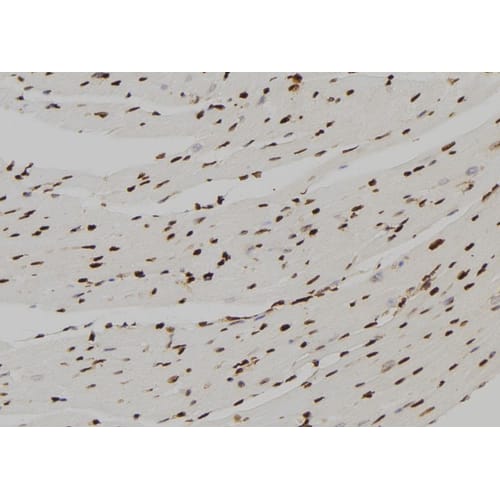
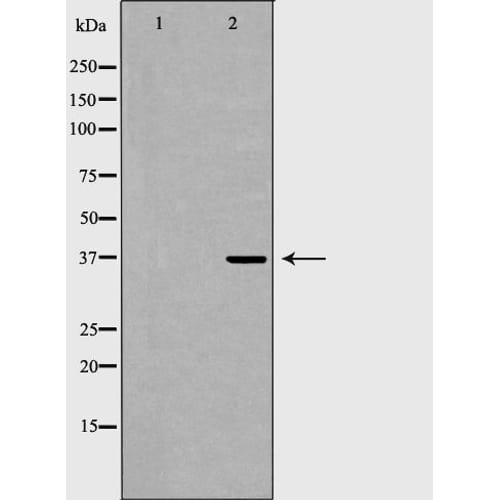
IMPORTANT NOTE This product is custom manufactured with a lead time of 3-4 weeks. Once in production, this item cannot be cancelled from an order and is not eligible for return. Target Protein FBP1 Clonality Polyclonal Storage/Stability -20°C/1 year Application WB,IHC,ELISA Recommended Dilution WB 1:500-1:2000 IHC 1:50-1:200 Concentration 1 mg/ml Reactive Species Human,Mouse,Rat Host Species Rabbit Immunogen A synthesized peptide derived from human FBP1 Specificity FBP1 Antibody detects endogenous levels of total FBP1 Purification The antiserum was purified by peptide affinity chromatography. Form Rabbit IgG in phosphate buffered saline , pH 7.4, 150mM NaCl, 0.02% sodium azide and 50% glycerol.Store at -20 °C.Stable for 12 months from date of receipt Gene Name FBP1 Accession No. P09467 Alternate Names 6-bisphosphatase 1; 6-bisphosphate 1-phosphohydrolase 1; D fructose 1 6 bisphosphate 1 phosphohydrolase 1; D-fructose-1; EC 3.1.3.11; F16P1_HUMAN; FBP; FBP 1; FBP1; FBPase 1; Fructose 1 6 bisphosphatase 1; Fructose bisphosphatase 1; Fructose-1; Growth inhibiting protein 17; Liver fructose bisphosphatase; Description Catalyzes the hydrolysis of fructose 1,6-bisphosphate to fructose 6-phosphate in the presence of divalent cations, acting as a rate-limiting enzyme in gluconeogenesis. Plays a role in regulating glucose sensing and insulin secretion of pancreatic beta-cells. Appears to modulate glycerol gluconeogenesis in liver. Important regulator of appetite and adiposity; increased expression of the protein in liver after nutrient excess increases circulating satiety hormones and reduces appetite-stimulating neuropeptides and thus seems to provide a feedback mechanism to limit weight gain. Cell Pathway/ Category Primary Polyclonal Antibody Protein MW 37kDa Usage For Research Use Only! Not for diagnostic or therapeutic procedures. - Reviews
| Antibody Specification | |
| Datasheet |
|
| IMPORTANT NOTE | This product is custom manufactured with a lead time of 3-4 weeks. Once in production, this item cannot be cancelled from an order and is not eligible for return. |
| Target Protein | FBP1 |
| Clonality | Polyclonal |
| Storage/Stability | -20°C/1 year |
| Application | WB,IHC,ELISA |
| Recommended Dilution | WB 1:500-1:2000 IHC 1:50-1:200 |
| Concentration | 1 mg/ml |
| Reactive Species | Human,Mouse,Rat |
| Host Species | Rabbit |
| Immunogen | A synthesized peptide derived from human FBP1 |
| Specificity | FBP1 Antibody detects endogenous levels of total FBP1 |
| Purification | The antiserum was purified by peptide affinity chromatography. |
| Form | Rabbit IgG in phosphate buffered saline , pH 7.4, 150mM NaCl, 0.02% sodium azide and 50% glycerol.Store at -20 °C.Stable for 12 months from date of receipt |
| Gene Name | FBP1 |
| Accession No. | P09467 |
| Alternate Names | 6-bisphosphatase 1; 6-bisphosphate 1-phosphohydrolase 1; D fructose 1 6 bisphosphate 1 phosphohydrolase 1; D-fructose-1; EC 3.1.3.11; F16P1_HUMAN; FBP; FBP 1; FBP1; FBPase 1; Fructose 1 6 bisphosphatase 1; Fructose bisphosphatase 1; Fructose-1; Growth inhibiting protein 17; Liver fructose bisphosphatase; |
| Description | Catalyzes the hydrolysis of fructose 1,6-bisphosphate to fructose 6-phosphate in the presence of divalent cations, acting as a rate-limiting enzyme in gluconeogenesis. Plays a role in regulating glucose sensing and insulin secretion of pancreatic beta-cells. Appears to modulate glycerol gluconeogenesis in liver. Important regulator of appetite and adiposity; increased expression of the protein in liver after nutrient excess increases circulating satiety hormones and reduces appetite-stimulating neuropeptides and thus seems to provide a feedback mechanism to limit weight gain. |
| Cell Pathway/ Category | Primary Polyclonal Antibody |
| Protein MW | 37kDa |
| Usage | For Research Use Only! Not for diagnostic or therapeutic procedures. |