

ITA7615
ITA7615
ITA7615
from
$526.00
Price in reward points: 526
- Catalog: ITA7615
- Gene/Protein: PRKACB
- Product Description: Immunotag™ Phospho-PKA C (Thr197) Antibody
-
Description
-
Specifications
Antibody Specification Datasheet 
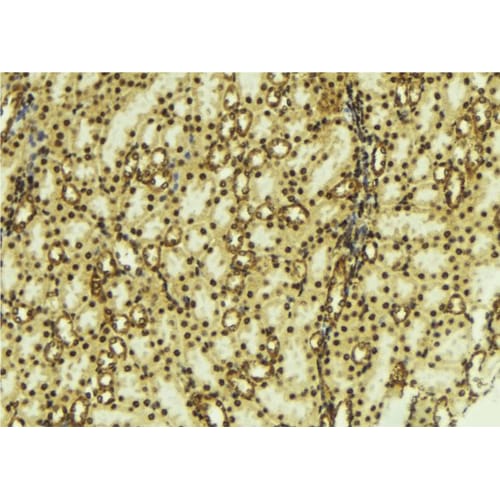
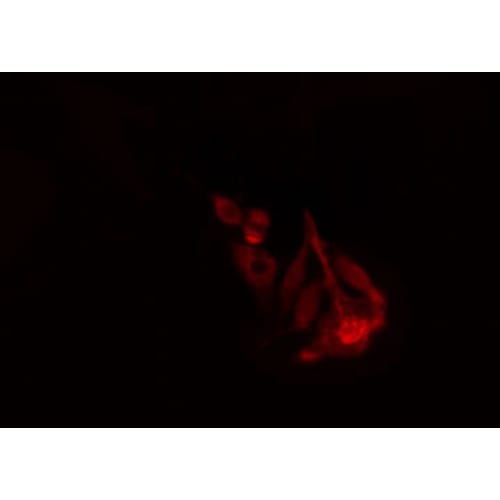
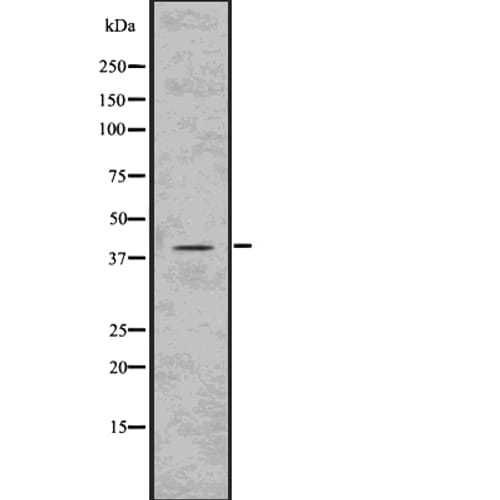
IMPORTANT NOTE This product is custom manufactured with a lead time of 3-4 weeks. Once in production, this item cannot be cancelled from an order and is not eligible for return. Target Protein Phospho-PKA C (Thr197) Clonality Polyclonal Storage/Stability -20°C/1 year Application WB,IHC,IF/ICC,ELISA Recommended Dilution WB 1:1000-3000 IHC 1:200, IF/ICC 1:100-1:500 Concentration 1 mg/ml Reactive Species Human,Mouse,Rat Host Species Rabbit Immunogen A synthesized peptide derived from human Phospho-PKA C (Thr197) Specificity Phospho-PKA C (Thr197) Antibody detects endogenous levels of PKA C only when phosphorylated at Thr197 Purification The antibody is from purified rabbit serum by affinity purification via sequential chromatography on phospho- and non-phospho-peptide affinity columns. Form Rabbit IgG in phosphate buffered saline , pH 7.4, 150mM NaCl, 0.02% sodium azide and 50% glycerol.Store at -20 °C.Stable for 12 months from date of receipt Gene Name PRKACB Accession No. P22694 Alternate Names cAMP-dependent protein kinase catalytic beta subunit isoform 4ab; cAMP-dependent protein kinase catalytic subunit beta; KAPCB_HUMAN; PKA C beta; PKA C-beta; PKACB; Prkacb; protein kinase A catalytic subunit beta; Protein kinase cAMP dependent catalytic beta; Description Mediates cAMP-dependent signaling triggered by receptor binding to GPCRs. PKA activation regulates diverse cellular processes such as cell proliferation, the cell cycle, differentiation and regulation of microtubule dynamics, chromatin condensation and decondensation, nuclear envelope disassembly and reassembly, as well as regulation of intracellular transport mechanisms and ion flux. Regulates the abundance of compartmentalized pools of its regulatory subunits through phosphorylation of PJA2 which binds and ubiquitinates these subunits, leading to their subsequent proteolysis (PubMed:12420224, PubMed:21423175). Phosphorylates GPKOW which regulates its ability to bind RNA (PubMed:21880142). Cell Pathway/ Category Primary Polyclonal Antibody Protein MW 40 kDa Usage For Research Use Only! Not for diagnostic or therapeutic procedures. - Reviews
| Antibody Specification | |
| Datasheet |
|
| IMPORTANT NOTE | This product is custom manufactured with a lead time of 3-4 weeks. Once in production, this item cannot be cancelled from an order and is not eligible for return. |
| Target Protein | Phospho-PKA C (Thr197) |
| Clonality | Polyclonal |
| Storage/Stability | -20°C/1 year |
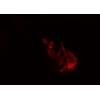
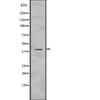
| Application | WB,IHC,IF/ICC,ELISA |
| Recommended Dilution | WB 1:1000-3000 IHC 1:200, IF/ICC 1:100-1:500 |
| Concentration | 1 mg/ml |
| Reactive Species | Human,Mouse,Rat |
| Host Species | Rabbit |
| Immunogen | A synthesized peptide derived from human Phospho-PKA C (Thr197) |
| Specificity | Phospho-PKA C (Thr197) Antibody detects endogenous levels of PKA C only when phosphorylated at Thr197 |
| Purification | The antibody is from purified rabbit serum by affinity purification via sequential chromatography on phospho- and non-phospho-peptide affinity columns. |
| Form | Rabbit IgG in phosphate buffered saline , pH 7.4, 150mM NaCl, 0.02% sodium azide and 50% glycerol.Store at -20 °C.Stable for 12 months from date of receipt |
| Gene Name | PRKACB |
| Accession No. | P22694 |
| Alternate Names | cAMP-dependent protein kinase catalytic beta subunit isoform 4ab; cAMP-dependent protein kinase catalytic subunit beta; KAPCB_HUMAN; PKA C beta; PKA C-beta; PKACB; Prkacb; protein kinase A catalytic subunit beta; Protein kinase cAMP dependent catalytic beta; |
| Description | Mediates cAMP-dependent signaling triggered by receptor binding to GPCRs. PKA activation regulates diverse cellular processes such as cell proliferation, the cell cycle, differentiation and regulation of microtubule dynamics, chromatin condensation and decondensation, nuclear envelope disassembly and reassembly, as well as regulation of intracellular transport mechanisms and ion flux. Regulates the abundance of compartmentalized pools of its regulatory subunits through phosphorylation of PJA2 which binds and ubiquitinates these subunits, leading to their subsequent proteolysis (PubMed:12420224, PubMed:21423175). Phosphorylates GPKOW which regulates its ability to bind RNA (PubMed:21880142). |
| Cell Pathway/ Category | Primary Polyclonal Antibody |
| Protein MW | 40 kDa |
| Usage | For Research Use Only! Not for diagnostic or therapeutic procedures. |