

ITA7949
ITA7949
ITA7949
from
$526.00
Price in reward points: 526
- Catalog: ITA7949
- Gene/Protein: SEMA4D
- Product Description: Immunotag™ SEMA4D Antibody
-
Description
-
Specifications
Antibody Specification Datasheet 
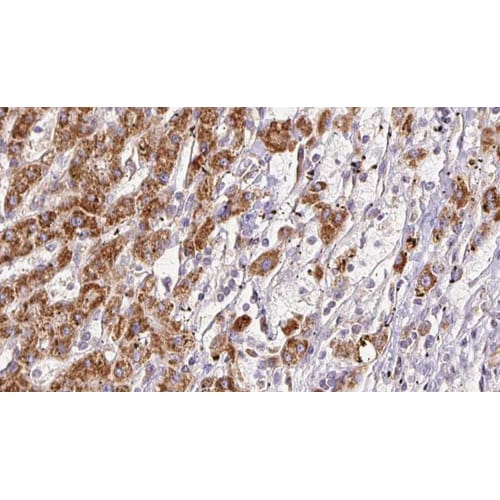
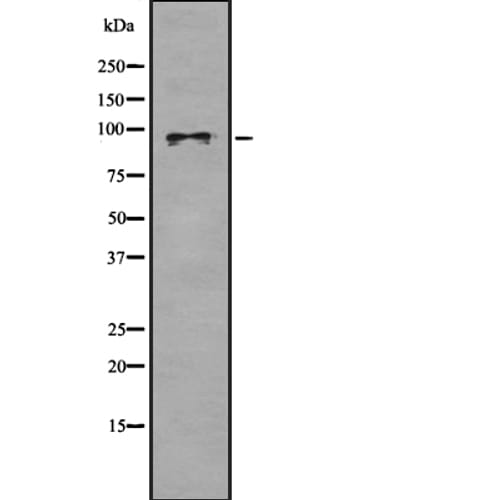
IMPORTANT NOTE This product is custom manufactured with a lead time of 3-4 weeks. Once in production, this item cannot be cancelled from an order and is not eligible for return. Target Protein SEMA4D Clonality Polyclonal Storage/Stability -20°C/1 year Application WB,IHC,ELISA Recommended Dilution WB 1:1000-3000 IHC 1:200 Concentration 1 mg/ml Reactive Species Human Host Species Rabbit Immunogen A synthesized peptide derived from human SEMA4D Specificity SEMA4D Antibody detects endogenous levels of total SEMA4D Purification The antiserum was purified by peptide affinity chromatography. Form Rabbit IgG in phosphate buffered saline , pH 7.4, 150mM NaCl, 0.02% sodium azide and 50% glycerol.Store at -20 °C.Stable for 12 months from date of receipt Gene Name SEMA4D Accession No. Q92854 Alternate Names A8; BB 18; BB18; CD 100; CD100; CD100 antigen; Coll 4; COLL4; Collapsin 4; Collapsin4; GR3; Leukocyte activation antigen CD100; M sema G; MSEMA; SEM4D_HUMAN; Sema 4d; Sema domain immunoglobulin domain Ig transmembrane domain TM and short cytoplasmic domain semaphorin 4D; Sema H; SEMA J; Sema4d; Semacl 2; Semacl2; SemaH; SEMAJ; Semaphorin 4D; Semaphorin C like 2; Semaphorin H; Semaphorin J; Semaphorin-4D; Semaphorin4D; SemaphorinJ; Semcl 2; Semcl2; Description Cell surface receptor for PLXN1B and PLXNB2 that plays an important role in cell-cell signaling. Promotes reorganization of the actin cytoskeleton and plays a role in axonal growth cone guidance in the developing central nervous system. Regulates dendrite and axon branching and morphogenesis. Promotes the migration of cerebellar granule cells and of endothelial cells. Plays a role in the immune system; induces B-cells to aggregate and improves their viability (in vitro). Promotes signaling via SRC and PTK2B/PYK2, which then mediates activation of phosphatidylinositol 3-kinase and of the AKT1 signaling cascade. Interaction with PLXNB1 mediates activation of RHOA. Cell Pathway/ Category Primary Polyclonal Antibody Protein MW 96 kDa Usage For Research Use Only! Not for diagnostic or therapeutic procedures. - Reviews
| Antibody Specification | |
| Datasheet |
|
| IMPORTANT NOTE | This product is custom manufactured with a lead time of 3-4 weeks. Once in production, this item cannot be cancelled from an order and is not eligible for return. |
| Target Protein | SEMA4D |
| Clonality | Polyclonal |
| Storage/Stability | -20°C/1 year |
| Application | WB,IHC,ELISA |
| Recommended Dilution | WB 1:1000-3000 IHC 1:200 |
| Concentration | 1 mg/ml |
| Reactive Species | Human |
| Host Species | Rabbit |
| Immunogen | A synthesized peptide derived from human SEMA4D |
| Specificity | SEMA4D Antibody detects endogenous levels of total SEMA4D |
| Purification | The antiserum was purified by peptide affinity chromatography. |
| Form | Rabbit IgG in phosphate buffered saline , pH 7.4, 150mM NaCl, 0.02% sodium azide and 50% glycerol.Store at -20 °C.Stable for 12 months from date of receipt |
| Gene Name | SEMA4D |
| Accession No. | Q92854 |
| Alternate Names | A8; BB 18; BB18; CD 100; CD100; CD100 antigen; Coll 4; COLL4; Collapsin 4; Collapsin4; GR3; Leukocyte activation antigen CD100; M sema G; MSEMA; SEM4D_HUMAN; Sema 4d; Sema domain immunoglobulin domain Ig transmembrane domain TM and short cytoplasmic domain semaphorin 4D; Sema H; SEMA J; Sema4d; Semacl 2; Semacl2; SemaH; SEMAJ; Semaphorin 4D; Semaphorin C like 2; Semaphorin H; Semaphorin J; Semaphorin-4D; Semaphorin4D; SemaphorinJ; Semcl 2; Semcl2; |
| Description | Cell surface receptor for PLXN1B and PLXNB2 that plays an important role in cell-cell signaling. Promotes reorganization of the actin cytoskeleton and plays a role in axonal growth cone guidance in the developing central nervous system. Regulates dendrite and axon branching and morphogenesis. Promotes the migration of cerebellar granule cells and of endothelial cells. Plays a role in the immune system; induces B-cells to aggregate and improves their viability (in vitro). Promotes signaling via SRC and PTK2B/PYK2, which then mediates activation of phosphatidylinositol 3-kinase and of the AKT1 signaling cascade. Interaction with PLXNB1 mediates activation of RHOA. |
| Cell Pathway/ Category | Primary Polyclonal Antibody |
| Protein MW | 96 kDa |
| Usage | For Research Use Only! Not for diagnostic or therapeutic procedures. |