

ITA9001
ITA9001
ITA9001
from
$526.00
Price in reward points: 526
- Catalog: ITA9001
- Gene/Protein: KCNJ10
- Product Description: Immunotag™ KCNJ10 Antibody
-
Description
-
Specifications
Antibody Specification Datasheet 
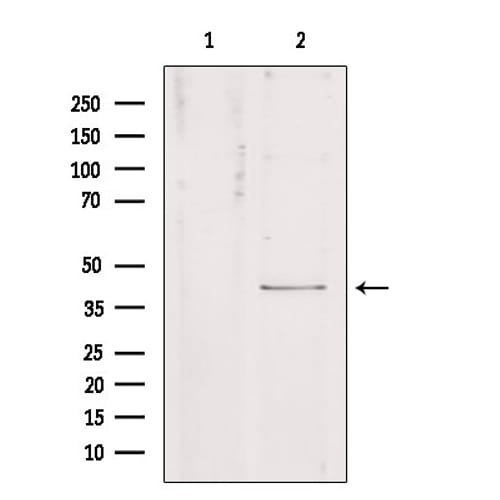
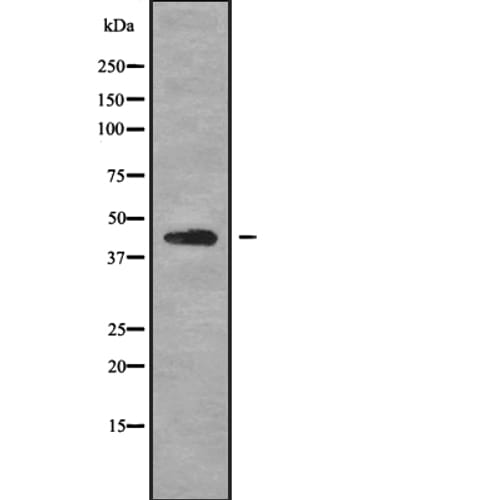
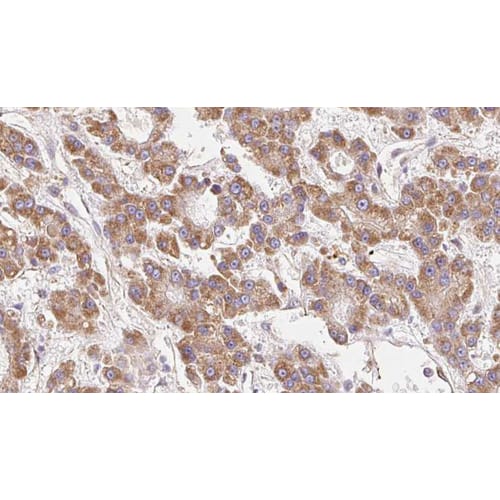
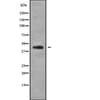
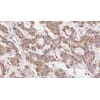
IMPORTANT NOTE This product is custom manufactured with a lead time of 3-4 weeks. Once in production, this item cannot be cancelled from an order and is not eligible for return. Target Protein KCNJ10 Clonality Polyclonal Storage/Stability -20°C/1 year Application WB,IHC,ELISA Recommended Dilution WB 1:1000-3000 IHC 1:200 Concentration 1 mg/ml Reactive Species Human,Mouse,Rat Host Species Rabbit Immunogen A synthesized peptide derived from human KCNJ10 Specificity KCNJ10 Antibody detects endogenous levels of total KCNJ10 Purification The antiserum was purified by peptide affinity chromatography. Form Rabbit IgG in phosphate buffered saline , pH 7.4, 150mM NaCl, 0.02% sodium azide and 50% glycerol.Store at -20 °C.Stable for 12 months from date of receipt Gene Name KCNJ10 Accession No. P78508 Alternate Names inwardly rectifying subfamily J member 10; ATP dependent inwardly rectifying potassium channel Kir4.1; ATP sensitive inward rectifier potassium channel 10; ATP-dependent inwardly rectifying potassium channel Kir4.1; ATP-sensitive inward rectifier potassium channel 10; BIRK10; Glial ATP dependent inwardly rectifying potassium channel KIR4.1; Inward rectifier K(+) channel Kir1.2; Inward rectifier K+ channel KIR1.2; Inwardly rectifying potassium channel Kir1.2; KCJ10_HUMAN; KCNJ 10; Kcnj10; KCNJ13 PEN; KIR1.2; KIR4.1; Potassium channel; Potassium channel inwardly rectifying subfamily J member 10; Potassium inwardly rectifying channel subfamily J member 10; SESAME; Description May be responsible for potassium buffering action of glial cells in the brain. Inward rectifier potassium channels are characterized by a greater tendency to allow potassium to flow into the cell rather than out of it. Their voltage dependence is regulated by the concentration of extracellular potassium; as external potassium is raised, the voltage range of the channel opening shifts to more positive voltages. The inward rectification is mainly due to the blockage of outward current by internal magnesium. Can be blocked by extracellular barium and cesium (By similarity). In the kidney, together with KCNJ16, mediates basolateral K+ recycling in distal tubules; this process is critical for Na+ reabsorption at the tubules. Cell Pathway/ Category Primary Polyclonal Antibody Protein MW 43 kDa Usage For Research Use Only! Not for diagnostic or therapeutic procedures. - Reviews
| Antibody Specification | |
| Datasheet |
|
| IMPORTANT NOTE | This product is custom manufactured with a lead time of 3-4 weeks. Once in production, this item cannot be cancelled from an order and is not eligible for return. |
| Target Protein | KCNJ10 |
| Clonality | Polyclonal |
| Storage/Stability | -20°C/1 year |
| Application | WB,IHC,ELISA |
| Recommended Dilution | WB 1:1000-3000 IHC 1:200 |
| Concentration | 1 mg/ml |
| Reactive Species | Human,Mouse,Rat |
| Host Species | Rabbit |
| Immunogen | A synthesized peptide derived from human KCNJ10 |
| Specificity | KCNJ10 Antibody detects endogenous levels of total KCNJ10 |
| Purification | The antiserum was purified by peptide affinity chromatography. |
| Form | Rabbit IgG in phosphate buffered saline , pH 7.4, 150mM NaCl, 0.02% sodium azide and 50% glycerol.Store at -20 °C.Stable for 12 months from date of receipt |
| Gene Name | KCNJ10 |
| Accession No. | P78508 |
| Alternate Names | inwardly rectifying subfamily J member 10; ATP dependent inwardly rectifying potassium channel Kir4.1; ATP sensitive inward rectifier potassium channel 10; ATP-dependent inwardly rectifying potassium channel Kir4.1; ATP-sensitive inward rectifier potassium channel 10; BIRK10; Glial ATP dependent inwardly rectifying potassium channel KIR4.1; Inward rectifier K(+) channel Kir1.2; Inward rectifier K+ channel KIR1.2; Inwardly rectifying potassium channel Kir1.2; KCJ10_HUMAN; KCNJ 10; Kcnj10; KCNJ13 PEN; KIR1.2; KIR4.1; Potassium channel; Potassium channel inwardly rectifying subfamily J member 10; Potassium inwardly rectifying channel subfamily J member 10; SESAME; |
| Description | May be responsible for potassium buffering action of glial cells in the brain. Inward rectifier potassium channels are characterized by a greater tendency to allow potassium to flow into the cell rather than out of it. Their voltage dependence is regulated by the concentration of extracellular potassium; as external potassium is raised, the voltage range of the channel opening shifts to more positive voltages. The inward rectification is mainly due to the blockage of outward current by internal magnesium. Can be blocked by extracellular barium and cesium (By similarity). In the kidney, together with KCNJ16, mediates basolateral K+ recycling in distal tubules; this process is critical for Na+ reabsorption at the tubules. |
| Cell Pathway/ Category | Primary Polyclonal Antibody |
| Protein MW | 43 kDa |
| Usage | For Research Use Only! Not for diagnostic or therapeutic procedures. |