

ITM3527
ITM3527
ITM3527
from
$447.00
Price in reward points: 447
- Catalog: ITM3527
- Gene/Protein: TF
- Product Description: Immunotag™ Transferrin Monoclonal Antibody(10G3)
-
Description
-
Specifications
Antibody Specification Datasheet 
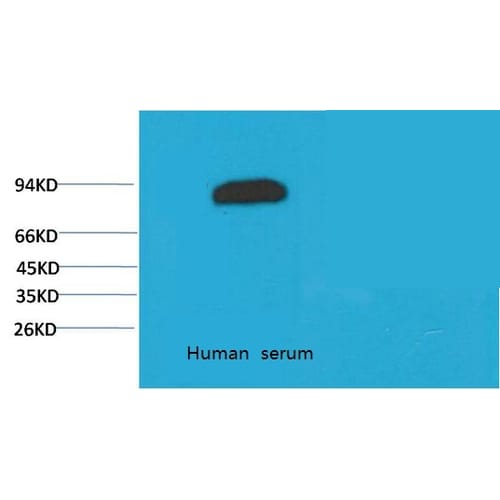
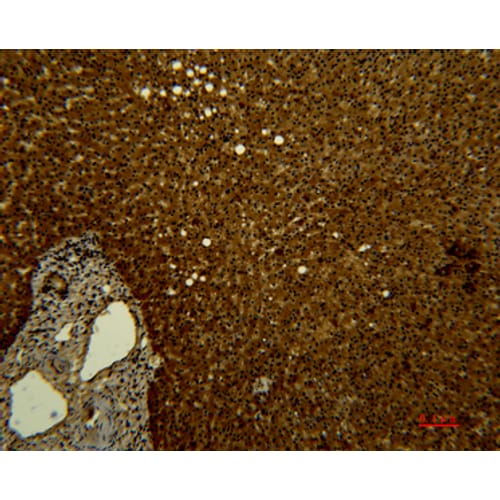
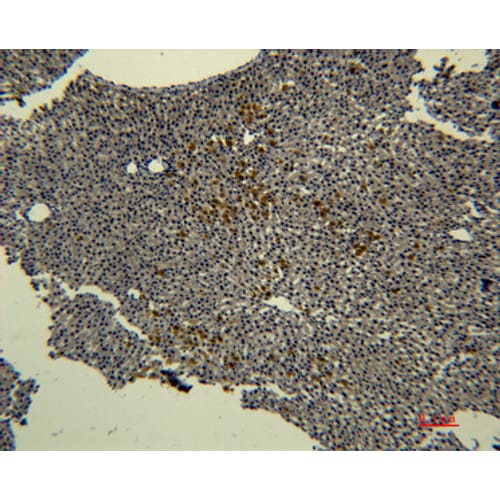
IMPORTANT NOTE This product is custom manufactured with a lead time of 3-4 weeks. Once in production, this item cannot be cancelled from an order and is not eligible for return. Target Protein Transferrin (10G3) Clonality Monoclonal Storage/Stability -20°C/1 year Application WB,IHC-p,ELISA Recommended Dilution WB 1:2000-5000, IHC 1:100-200 Concentration 1 mg/ml Reactive Species Human Host Species Mouse Immunogen Protein Specificity Transferrin protein detects endogenous levels of Transferrin Purification The antibody was affinity-purified from mouse ascites by affinity-chromatography using specific immunogen Form Liquid in PBS containing 50% glycerol, 0.5% BSA and 0.02% sodium azide. Gene Name TF Accession No. P02787 Q921I1 Alternate Names TF; Serotransferrin; Transferrin; Beta-1 metal-binding globulin; Siderophilin Description transferrin(TF) Homo sapiens This gene encodes a glycoprotein with an approximate molecular weight of 76.5 kDa. It is thought to have been created as a result of an ancient gene duplication event that led to generation of homologous C and N-terminal domains each of which binds one ion of ferric iron. The function of this protein is to transport iron from the intestine, reticuloendothelial system, and liver parenchymal cells to all proliferating cells in the body. This protein may also have a physiologic role as granulocyte/pollen-binding protein (GPBP) involved in the removal of certain organic matter and allergens from serum. [provided by RefSeq, Sep 2009], Protein Expression Bile,Brain,Cajal-Retzius cell,Caudate nucleus,Fetal brain cortex,Fetal liver,Heart,Liver,Plasma,Sal Subcellular Localization extracellular region,extracellular space,early endosome,late endosome,clathrin-coated pit,basal plasma membrane,cell surface,endosome membrane,cytoplasmic, membrane-bounded vesicle,apical plasma membrane,vesicle coat,endocytic vesicle, Protein Function disease:Defects in TF are the cause of atransferrinemia [MIM:209300]. Atransferrinemia is rare autosomal recessive disorder characterized by iron overload and hypochromic anemia.,function:Transferrins are iron binding transport proteins which can bind two Fe(3+) ions in association with the binding of an anion, usually bicarbonate. It is responsible for the transport of iron from sites of absorption and heme degradation to those of storage and utilization. Serum transferrin may also have a further role in stimulating cell proliferation.,online information:Transferrin entry,polymorphism:Different polymorphic variants of transferrin are known. The sequence shown is the predominant electrophoretic variant (C1 or TF*C1).,similarity:Belongs to the transferrin family.,similarity:Contains 2 transferrin-like domains.,subunit:Monomer.,tissue specificity:Expressed by the liver and secreted in plasma., Usage For Research Use Only! Not for diagnostic or therapeutic procedures. - Reviews
| Antibody Specification | |
| Datasheet | |
| IMPORTANT NOTE | This product is custom manufactured with a lead time of 3-4 weeks. Once in production, this item cannot be cancelled from an order and is not eligible for return. |
| Target Protein | Transferrin (10G3) |
| Clonality | Monoclonal |
| Storage/Stability | -20°C/1 year |
| Application | WB,IHC-p,ELISA |
| Recommended Dilution | WB 1:2000-5000, IHC 1:100-200 |
| Concentration | 1 mg/ml |
| Reactive Species | Human |
| Host Species | Mouse |
| Immunogen | Protein |
| Specificity | Transferrin protein detects endogenous levels of Transferrin |
| Purification | The antibody was affinity-purified from mouse ascites by affinity-chromatography using specific immunogen |
| Form | Liquid in PBS containing 50% glycerol, 0.5% BSA and 0.02% sodium azide. |
| Gene Name | TF |
| Accession No. | P02787 Q921I1 |
| Alternate Names | TF; Serotransferrin; Transferrin; Beta-1 metal-binding globulin; Siderophilin |
| Description | transferrin(TF) Homo sapiens This gene encodes a glycoprotein with an approximate molecular weight of 76.5 kDa. It is thought to have been created as a result of an ancient gene duplication event that led to generation of homologous C and N-terminal domains each of which binds one ion of ferric iron. The function of this protein is to transport iron from the intestine, reticuloendothelial system, and liver parenchymal cells to all proliferating cells in the body. This protein may also have a physiologic role as granulocyte/pollen-binding protein (GPBP) involved in the removal of certain organic matter and allergens from serum. [provided by RefSeq, Sep 2009], |
| Protein Expression | Bile,Brain,Cajal-Retzius cell,Caudate nucleus,Fetal brain cortex,Fetal liver,Heart,Liver,Plasma,Sal |
| Subcellular Localization | extracellular region,extracellular space,early endosome,late endosome,clathrin-coated pit,basal plasma membrane,cell surface,endosome membrane,cytoplasmic, membrane-bounded vesicle,apical plasma membrane,vesicle coat,endocytic vesicle, |
| Protein Function | disease:Defects in TF are the cause of atransferrinemia [MIM:209300]. Atransferrinemia is rare autosomal recessive disorder characterized by iron overload and hypochromic anemia.,function:Transferrins are iron binding transport proteins which can bind two Fe(3+) ions in association with the binding of an anion, usually bicarbonate. It is responsible for the transport of iron from sites of absorption and heme degradation to those of storage and utilization. Serum transferrin may also have a further role in stimulating cell proliferation.,online information:Transferrin entry,polymorphism:Different polymorphic variants of transferrin are known. The sequence shown is the predominant electrophoretic variant (C1 or TF*C1).,similarity:Belongs to the transferrin family.,similarity:Contains 2 transferrin-like domains.,subunit:Monomer.,tissue specificity:Expressed by the liver and secreted in plasma., |
| Usage | For Research Use Only! Not for diagnostic or therapeutic procedures. |