

ITM3670
ITM3670
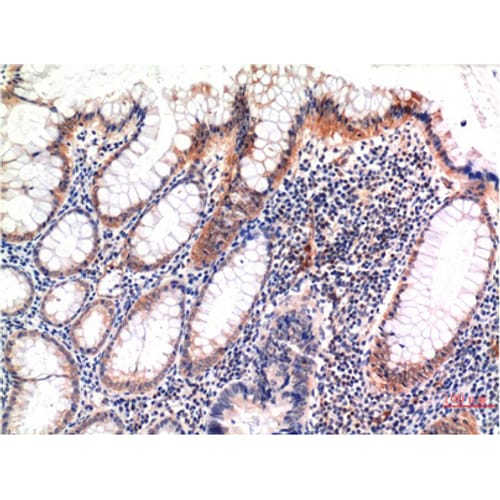
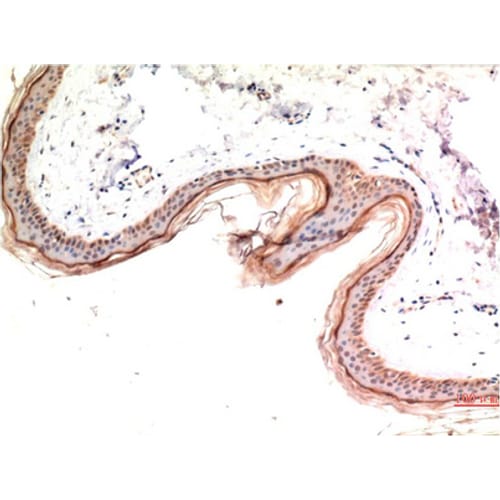
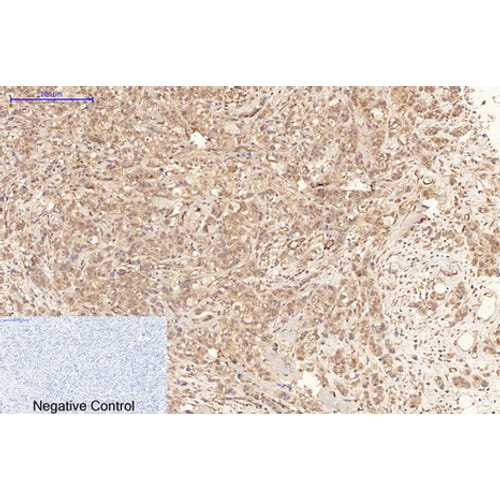
ITM3670
from
$447.00
Price in reward points: 447
- Catalog: ITM3670
- Gene/Protein: MLKL
- Product Description: Immunotag™ phospho-MLKL (S358) mouse Monoclonal Antibody(6F8)
-
Description
-
Specifications
Antibody Specification Datasheet 
IMPORTANT NOTE This product is custom manufactured with a lead time of 3-4 weeks. Once in production, this item cannot be cancelled from an order and is not eligible for return. Target Protein MLKL (S358) (6F8) Clonality Monoclonal Storage/Stability -20°C/1 year Application IF,IHC-p Recommended Dilution IF: 1:50-200 IHC 1:100-200 Concentration 1 mg/ml Reactive Species Human Host Species Mouse Immunogen Synthetic Peptide of phospho-MLKL (S358) Specificity phospho-MLKL (S358) protein detects endogenous levels of MLKL Purification The antibody was affinity-purified from mouse ascites by affinity-chromatography using specific immunogen Form Liquid in PBS containing 50% glycerol, 0.5% BSA and 0.02% sodium azide. Gene Name MLKL Accession No. Q8NB16 Q9D2Y4 Alternate Names MLKL Description mixed lineage kinase domain like(MLKL) Homo sapiens This gene belongs to the protein kinase superfamily. The encoded protein contains a protein kinase-like domain; however, is thought to be inactive because it lacks several residues required for activity. This protein plays a critical role in tumor necrosis factor (TNF)-induced necroptosis, a programmed cell death process, via interaction with receptor-interacting protein 3 (RIP3), which is a key signaling molecule in necroptosis pathway. Inhibitor studies and knockdown of this gene inhibited TNF-induced necrosis. High levels of this protein and RIP3 are associated with inflammatory bowel disease in children. Alternatively spliced transcript variants have been described for this gene. [provided by RefSeq, Sep 2015], Protein Expression Chondrocyte,Leukocyte,Lymph node, Subcellular Localization cytoplasm,cytosol,plasma membrane, Protein Function domain:The protein kinase domain is predicted to be catalytically inactive.,similarity:Belongs to the protein kinase superfamily.,similarity:Contains 1 protein kinase domain., Usage For Research Use Only! Not for diagnostic or therapeutic procedures. - Reviews
| Antibody Specification | |
| Datasheet | |
| IMPORTANT NOTE | This product is custom manufactured with a lead time of 3-4 weeks. Once in production, this item cannot be cancelled from an order and is not eligible for return. |
| Target Protein | MLKL (S358) (6F8) |
| Clonality | Monoclonal |
| Storage/Stability | -20°C/1 year |
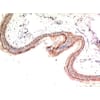
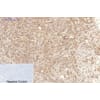
| Application | IF,IHC-p |
| Recommended Dilution | IF: 1:50-200 IHC 1:100-200 |
| Concentration | 1 mg/ml |
| Reactive Species | Human |
| Host Species | Mouse |
| Immunogen | Synthetic Peptide of phospho-MLKL (S358) |
| Specificity | phospho-MLKL (S358) protein detects endogenous levels of MLKL |
| Purification | The antibody was affinity-purified from mouse ascites by affinity-chromatography using specific immunogen |
| Form | Liquid in PBS containing 50% glycerol, 0.5% BSA and 0.02% sodium azide. |
| Gene Name | MLKL |
| Accession No. | Q8NB16 Q9D2Y4 |
| Alternate Names | MLKL |
| Description | mixed lineage kinase domain like(MLKL) Homo sapiens This gene belongs to the protein kinase superfamily. The encoded protein contains a protein kinase-like domain; however, is thought to be inactive because it lacks several residues required for activity. This protein plays a critical role in tumor necrosis factor (TNF)-induced necroptosis, a programmed cell death process, via interaction with receptor-interacting protein 3 (RIP3), which is a key signaling molecule in necroptosis pathway. Inhibitor studies and knockdown of this gene inhibited TNF-induced necrosis. High levels of this protein and RIP3 are associated with inflammatory bowel disease in children. Alternatively spliced transcript variants have been described for this gene. [provided by RefSeq, Sep 2015], |
| Protein Expression | Chondrocyte,Leukocyte,Lymph node, |
| Subcellular Localization | cytoplasm,cytosol,plasma membrane, |
| Protein Function | domain:The protein kinase domain is predicted to be catalytically inactive.,similarity:Belongs to the protein kinase superfamily.,similarity:Contains 1 protein kinase domain., |
| Usage | For Research Use Only! Not for diagnostic or therapeutic procedures. |