

ITP0257
ITP0257
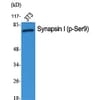
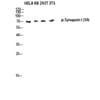
ITP0257
from
$541.00
Price in reward points: 541
- Catalog: ITP0257
- Gene/Protein: SYN1
- Product Description: Immunotag™ Synapsin I (phospho Ser9) Polyclonal Antibody
-
Description
-
Specifications
Antibody Specification Datasheet 
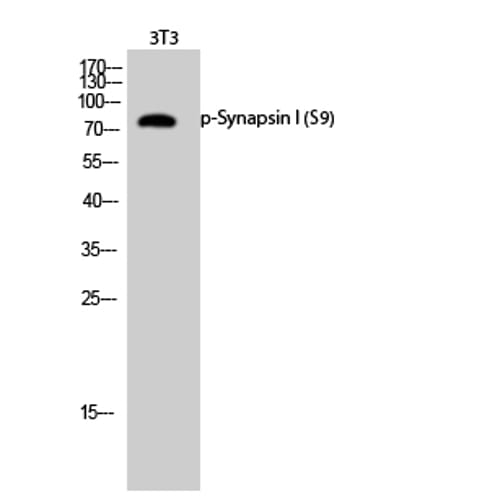
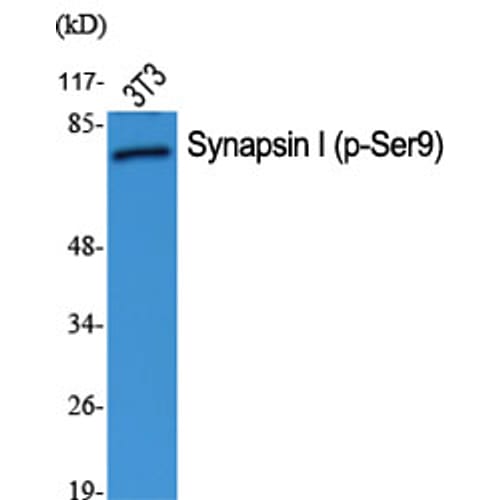
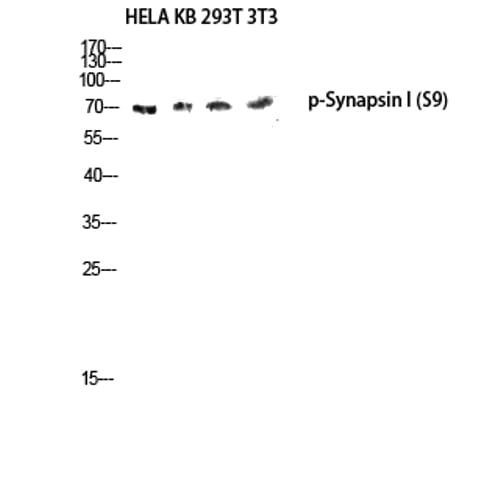
IMPORTANT NOTE This product is custom manufactured with a lead time of 3-4 weeks. Once in production, this item cannot be cancelled from an order and is not eligible for return. Target Protein Synapsin I (Ser9) Clonality Polyclonal Storage/Stability -20°C/1 year Application WB,IHC-p,IF,ELISA Recommended Dilution Western Blot: 1/500 - 1/2000. Immunohistochemistry: 1/100 - 1/300. Immunofluorescence: 1/200 - 1/1000. ELISA: 1/20000. Not yet tested in other applications. Concentration 1 mg/ml Reactive Species Human,Mouse,Rat Host Species Rabbit Immunogen Synthesized phospho-peptide around the phosphorylation site of human Synapsin I (phospho Ser9) Specificity Phospho-Synapsin I (S9) Polyclonal Antibody detects endogenous levels of Synapsin I protein only when phosphorylated at S9. Purification The antibody was affinity-purified from rabbit antiserum by affinity-chromatography using epitope-specific immunogen Form Liquid in PBS containing 50% glycerol, 0.5% BSA and 0.02% sodium azide. Gene Name SYN1 Accession No. P17600 O88935 P09951 Alternate Names SYN1; Synapsin-1; Brain protein 4.1; Synapsin I Description synapsin I(SYN1) Homo sapiens This gene is a member of the synapsin gene family. Synapsins encode neuronal phosphoproteins which associate with the cytoplasmic surface of synaptic vesicles. Family members are characterized by common protein domains, and they are implicated in synaptogenesis and the modulation of neurotransmitter release, suggesting a potential role in several neuropsychiatric diseases. This member of the synapsin family plays a role in regulation of axonogenesis and synaptogenesis. The protein encoded serves as a substrate for several different protein kinases and phosphorylation may function in the regulation of this protein in the nerve terminal. Mutations in this gene may be associated with X-linked disorders with primary neuronal degeneration such as Rett syndrome. Alternatively spliced transcript variants encoding different isoforms have been identified. [provided by RefSeq, Jul 2008], Protein Expression Brain,Brain cortex, Subcellular Localization synaptonemal complex,Golgi apparatus,cytosol,synaptic vesicle,postsynaptic density,cell junction,dendrite,synaptic vesicle membrane,terminal bouton,myelin sheath,presynaptic active zone, Protein Function disease:Defects in SYN1 are a cause of epilepsy X-linked with variable learning disabilities and behavior disorders [MIM:300491]. XELBD is characterized by variable combinations of epilepsy, learning difficulties, macrocephaly, and aggressive behavior.,function:Neuronal phosphoprotein that coats synaptic vesicles, binds to the cytoskeleton, and is believed to function in the regulation of neurotransmitter release. The complex formed with NOS1 and CAPON proteins is necessary for specific nitric-oxid functions at a presynaptic level.,PTM:Substrate of at least four different protein kinases. It is probable that phosphorylation plays a role in the regulation of synapsin-1 in the nerve terminal. Phosphorylated upon DNA damage, probably by ATM or ATR.,similarity:Belongs to the synapsin family.,subunit:Homodimer. Interacts with CAPON. Forms a ternary complex with NOS1. Isoform Ib interacts with PRNP., Usage For Research Use Only! Not for diagnostic or therapeutic procedures. - Reviews
| Antibody Specification | |
| Datasheet | |
| IMPORTANT NOTE | This product is custom manufactured with a lead time of 3-4 weeks. Once in production, this item cannot be cancelled from an order and is not eligible for return. |
| Target Protein | Synapsin I (Ser9) |
| Clonality | Polyclonal |
| Storage/Stability | -20°C/1 year |
| Application | WB,IHC-p,IF,ELISA |
| Recommended Dilution | Western Blot: 1/500 - 1/2000. Immunohistochemistry: 1/100 - 1/300. Immunofluorescence: 1/200 - 1/1000. ELISA: 1/20000. Not yet tested in other applications. |
| Concentration | 1 mg/ml |
| Reactive Species | Human,Mouse,Rat |
| Host Species | Rabbit |
| Immunogen | Synthesized phospho-peptide around the phosphorylation site of human Synapsin I (phospho Ser9) |
| Specificity | Phospho-Synapsin I (S9) Polyclonal Antibody detects endogenous levels of Synapsin I protein only when phosphorylated at S9. |
| Purification | The antibody was affinity-purified from rabbit antiserum by affinity-chromatography using epitope-specific immunogen |
| Form | Liquid in PBS containing 50% glycerol, 0.5% BSA and 0.02% sodium azide. |
| Gene Name | SYN1 |
| Accession No. | P17600 O88935 P09951 |
| Alternate Names | SYN1; Synapsin-1; Brain protein 4.1; Synapsin I |
| Description | synapsin I(SYN1) Homo sapiens This gene is a member of the synapsin gene family. Synapsins encode neuronal phosphoproteins which associate with the cytoplasmic surface of synaptic vesicles. Family members are characterized by common protein domains, and they are implicated in synaptogenesis and the modulation of neurotransmitter release, suggesting a potential role in several neuropsychiatric diseases. This member of the synapsin family plays a role in regulation of axonogenesis and synaptogenesis. The protein encoded serves as a substrate for several different protein kinases and phosphorylation may function in the regulation of this protein in the nerve terminal. Mutations in this gene may be associated with X-linked disorders with primary neuronal degeneration such as Rett syndrome. Alternatively spliced transcript variants encoding different isoforms have been identified. [provided by RefSeq, Jul 2008], |
| Protein Expression | Brain,Brain cortex, |
| Subcellular Localization | synaptonemal complex,Golgi apparatus,cytosol,synaptic vesicle,postsynaptic density,cell junction,dendrite,synaptic vesicle membrane,terminal bouton,myelin sheath,presynaptic active zone, |
| Protein Function | disease:Defects in SYN1 are a cause of epilepsy X-linked with variable learning disabilities and behavior disorders [MIM:300491]. XELBD is characterized by variable combinations of epilepsy, learning difficulties, macrocephaly, and aggressive behavior.,function:Neuronal phosphoprotein that coats synaptic vesicles, binds to the cytoskeleton, and is believed to function in the regulation of neurotransmitter release. The complex formed with NOS1 and CAPON proteins is necessary for specific nitric-oxid functions at a presynaptic level.,PTM:Substrate of at least four different protein kinases. It is probable that phosphorylation plays a role in the regulation of synapsin-1 in the nerve terminal. Phosphorylated upon DNA damage, probably by ATM or ATR.,similarity:Belongs to the synapsin family.,subunit:Homodimer. Interacts with CAPON. Forms a ternary complex with NOS1. Isoform Ib interacts with PRNP., |
| Usage | For Research Use Only! Not for diagnostic or therapeutic procedures. |