

ITP0846
ITP0846
ITP0846
from
$541.00
Price in reward points: 541
- Catalog: ITP0846
- Gene/Protein: CTTN
- Product Description: Immunotag™ Cortactin (phospho Tyr466) Polyclonal Antibody
-
Description
-
Specifications
Antibody Specification Datasheet 
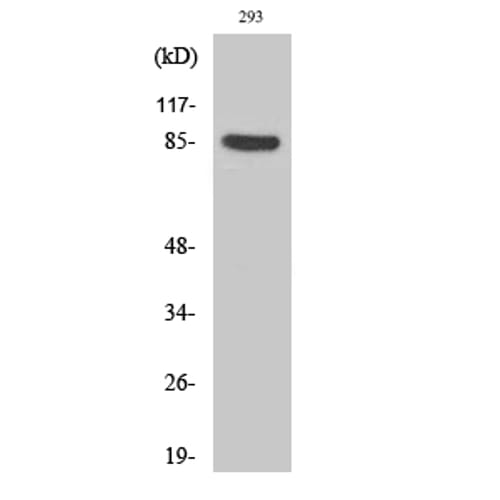
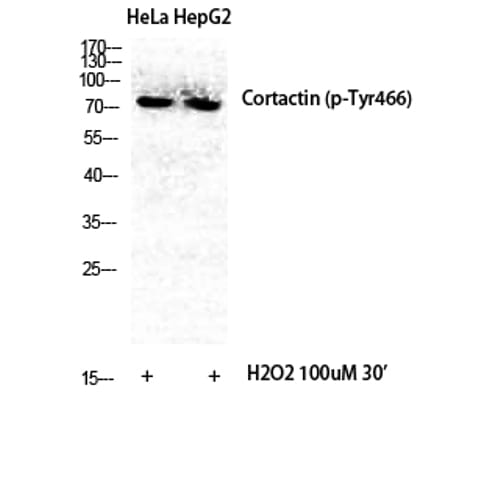
IMPORTANT NOTE This product is custom manufactured with a lead time of 3-4 weeks. Once in production, this item cannot be cancelled from an order and is not eligible for return. Target Protein Cortactin (Tyr466) Clonality Polyclonal Storage/Stability -20°C/1 year Application WB,IHC-p,IF,ELISA Recommended Dilution Western Blot: 1/500 - 1/2000. Immunohistochemistry: 1/100 - 1/300. Immunofluorescence: 1/200 - 1/1000. ELISA: 1/20000. Not yet tested in other applications. Concentration 1 mg/ml Reactive Species Human,Mouse,Rat,Monkey Host Species Rabbit Immunogen The antiserum was produced against synthesized peptide derived from mouse Cortactin around the phosphorylation site of Tyr466. AA range:441-490 Specificity Phospho-Cortactin (Y466) Polyclonal Antibody detects endogenous levels of Cortactin protein only when phosphorylated at Y466. Purification The antibody was affinity-purified from rabbit antiserum by affinity-chromatography using epitope-specific immunogen Form Liquid in PBS containing 50% glycerol, 0.5% BSA and 0.02% sodium azide. Gene Name CTTN Accession No. Q14247 Q60598 Alternate Names CTTN; EMS1; Src substrate cortactin; Amplaxin; Oncogene EMS1 Description cortactin(CTTN) Homo sapiens This gene is overexpressed in breast cancer and squamous cell carcinomas of the head and neck. The encoded protein is localized in the cytoplasm and in areas of the cell-substratum contacts. This gene has two roles: (1) regulating the interactions between components of adherens-type junctions and (2) organizing the cytoskeleton and cell adhesion structures of epithelia and carcinoma cells. During apoptosis, the encoded protein is degraded in a caspase-dependent manner. The aberrant regulation of this gene contributes to tumor cell invasion and metastasis. Three splice variants that encode different isoforms have been identified for this gene. [provided by RefSeq, May 2010], Cell Pathway/ Category Tight junction,Pathogenic Escherichia coli infection, Protein Expression Coronary artery,Epithelium,Mammary gland,Placenta,Platelet,Testis, Subcellular Localization ruffle,podosome,cytoplasm,Golgi apparatus,cytoskeleton,actin filament,plasma membrane,clathrin-coated pit,cell-cell adherens junction,focal adhesion,cell cortex,voltage-gated potassium channel complex,lamellipodium,growth Protein Function function:May contribute to the organization of cell structure. The SH3 motif may function as a binding region to cytoskeleton. Tyrosine phosphorylation in transformed cells may contribute to cellular growth regulation and transformation.,online information:Cortactin entry,similarity:Contains 1 SH3 domain.,similarity:Contains 7 cortactin repeats.,subcellular location:Associated with membrane ruffles and lamellipodia.,subunit:Interacts with SHANK2 and SHANK3 via its SH2 domain. Also interacts with FGD1 (By similarity). Interacts with PLXDC2., Usage For Research Use Only! Not for diagnostic or therapeutic procedures. - Reviews
| Antibody Specification | |
| Datasheet | |
| IMPORTANT NOTE | This product is custom manufactured with a lead time of 3-4 weeks. Once in production, this item cannot be cancelled from an order and is not eligible for return. |
| Target Protein | Cortactin (Tyr466) |
| Clonality | Polyclonal |
| Storage/Stability | -20°C/1 year |
| Application | WB,IHC-p,IF,ELISA |
| Recommended Dilution | Western Blot: 1/500 - 1/2000. Immunohistochemistry: 1/100 - 1/300. Immunofluorescence: 1/200 - 1/1000. ELISA: 1/20000. Not yet tested in other applications. |
| Concentration | 1 mg/ml |
| Reactive Species | Human,Mouse,Rat,Monkey |
| Host Species | Rabbit |
| Immunogen | The antiserum was produced against synthesized peptide derived from mouse Cortactin around the phosphorylation site of Tyr466. AA range:441-490 |
| Specificity | Phospho-Cortactin (Y466) Polyclonal Antibody detects endogenous levels of Cortactin protein only when phosphorylated at Y466. |
| Purification | The antibody was affinity-purified from rabbit antiserum by affinity-chromatography using epitope-specific immunogen |
| Form | Liquid in PBS containing 50% glycerol, 0.5% BSA and 0.02% sodium azide. |
| Gene Name | CTTN |
| Accession No. | Q14247 Q60598 |
| Alternate Names | CTTN; EMS1; Src substrate cortactin; Amplaxin; Oncogene EMS1 |
| Description | cortactin(CTTN) Homo sapiens This gene is overexpressed in breast cancer and squamous cell carcinomas of the head and neck. The encoded protein is localized in the cytoplasm and in areas of the cell-substratum contacts. This gene has two roles: (1) regulating the interactions between components of adherens-type junctions and (2) organizing the cytoskeleton and cell adhesion structures of epithelia and carcinoma cells. During apoptosis, the encoded protein is degraded in a caspase-dependent manner. The aberrant regulation of this gene contributes to tumor cell invasion and metastasis. Three splice variants that encode different isoforms have been identified for this gene. [provided by RefSeq, May 2010], |
| Cell Pathway/ Category | Tight junction,Pathogenic Escherichia coli infection, |
| Protein Expression | Coronary artery,Epithelium,Mammary gland,Placenta,Platelet,Testis, |
| Subcellular Localization | ruffle,podosome,cytoplasm,Golgi apparatus,cytoskeleton,actin filament,plasma membrane,clathrin-coated pit,cell-cell adherens junction,focal adhesion,cell cortex,voltage-gated potassium channel complex,lamellipodium,growth |
| Protein Function | function:May contribute to the organization of cell structure. The SH3 motif may function as a binding region to cytoskeleton. Tyrosine phosphorylation in transformed cells may contribute to cellular growth regulation and transformation.,online information:Cortactin entry,similarity:Contains 1 SH3 domain.,similarity:Contains 7 cortactin repeats.,subcellular location:Associated with membrane ruffles and lamellipodia.,subunit:Interacts with SHANK2 and SHANK3 via its SH2 domain. Also interacts with FGD1 (By similarity). Interacts with PLXDC2., |
| Usage | For Research Use Only! Not for diagnostic or therapeutic procedures. |