

ITT0343
ITT0343
ITT0343
from
$424.00
Price in reward points: 424
- Catalog: ITT0343
- Gene/Protein: ARRB1
- Product Description: Immunotag™ Arrestin-β-1 Polyclonal Antibody
-
Description
-
Specifications
Antibody Specification Datasheet 
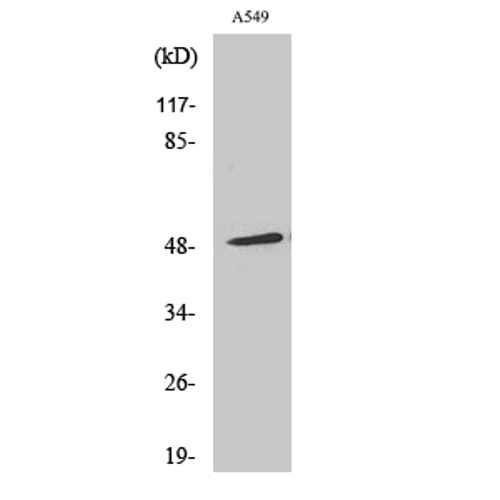
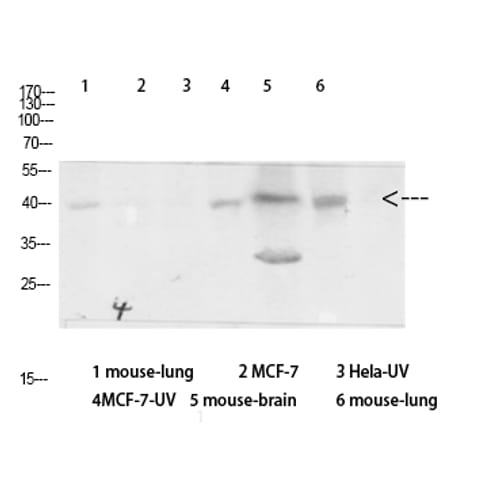
IMPORTANT NOTE This product is custom manufactured with a lead time of 3-4 weeks. Once in production, this item cannot be cancelled from an order and is not eligible for return. Target Protein Arrestin-β-1 Clonality Polyclonal Storage/Stability -20°C/1 year Application WB,IHC-p,IF,ELISA Recommended Dilution Western Blot: 1/500 - 1/2000. Immunohistochemistry: 1/100 - 1/300. Immunofluorescence: 1/200 - 1/1000. ELISA: 1/10000. Not yet tested in other applications. Concentration 1 mg/ml Reactive Species Human,Monkey Host Species Rabbit Immunogen The antiserum was produced against synthesized peptide derived from human Arrestin 1. AA range:369-418 Specificity Arrestin-β-1 Polyclonal Antibody detects endogenous levels of Arrestin-β-1 protein. Purification The antibody was affinity-purified from rabbit antiserum by affinity-chromatography using epitope-specific immunogen Form Liquid in PBS containing 50% glycerol, 0.5% BSA and 0.02% sodium azide. Gene Name ARRB1 Accession No. P49407 Q8BWG8 Alternate Names ARRB1; ARR1; Beta-arrestin-1; Arrestin beta-1 Description arrestin beta 1(ARRB1) Homo sapiens Members of arrestin/beta-arrestin protein family are thought to participate in agonist-mediated desensitization of G-protein-coupled receptors and cause specific dampening of cellular responses to stimuli such as hormones, neurotransmitters, or sensory signals. Arrestin beta 1 is a cytosolic protein and acts as a cofactor in the beta-adrenergic receptor kinase (BARK) mediated desensitization of beta-adrenergic receptors. Besides the central nervous system, it is expressed at high levels in peripheral blood leukocytes, and thus the BARK/beta-arrestin system is believed to play a major role in regulating receptor-mediated immune functions. Alternatively spliced transcripts encoding different isoforms of arrestin beta 1 have been described. [provided by RefSeq, Jan 2011], Cell Pathway/ Category MAPK_ERK_Growth,MAPK_G_Protein,Chemokine,Endocytosis, Protein Expression Brain,Peripheral blood,Uterus, Subcellular Localization Golgi membrane,chromatin,nucleus,nucleoplasm,cytoplasm,lysosomal membrane,cytosol,heterotrimeric G-protein complex,plasma membrane,clathrin-coated pit,postsynaptic density,basolateral plasma membrane,cytoplasmic vesicle membr Protein Function function:Regulates beta-adrenergic receptor function. Beta-arrestins seem to bind phosphorylated beta-adrenergic receptors, thereby causing a significant impairment of their capacity to activate G(S) proteins.,online information:Arrestin entry,similarity:Belongs to the arrestin family., Usage For Research Use Only! Not for diagnostic or therapeutic procedures. - Reviews
| Antibody Specification | |
| Datasheet | |
| IMPORTANT NOTE | This product is custom manufactured with a lead time of 3-4 weeks. Once in production, this item cannot be cancelled from an order and is not eligible for return. |
| Target Protein | Arrestin-β-1 |
| Clonality | Polyclonal |
| Storage/Stability | -20°C/1 year |
| Application | WB,IHC-p,IF,ELISA |
| Recommended Dilution | Western Blot: 1/500 - 1/2000. Immunohistochemistry: 1/100 - 1/300. Immunofluorescence: 1/200 - 1/1000. ELISA: 1/10000. Not yet tested in other applications. |
| Concentration | 1 mg/ml |
| Reactive Species | Human,Monkey |
| Host Species | Rabbit |
| Immunogen | The antiserum was produced against synthesized peptide derived from human Arrestin 1. AA range:369-418 |
| Specificity | Arrestin-β-1 Polyclonal Antibody detects endogenous levels of Arrestin-β-1 protein. |
| Purification | The antibody was affinity-purified from rabbit antiserum by affinity-chromatography using epitope-specific immunogen |
| Form | Liquid in PBS containing 50% glycerol, 0.5% BSA and 0.02% sodium azide. |
| Gene Name | ARRB1 |
| Accession No. | P49407 Q8BWG8 |
| Alternate Names | ARRB1; ARR1; Beta-arrestin-1; Arrestin beta-1 |
| Description | arrestin beta 1(ARRB1) Homo sapiens Members of arrestin/beta-arrestin protein family are thought to participate in agonist-mediated desensitization of G-protein-coupled receptors and cause specific dampening of cellular responses to stimuli such as hormones, neurotransmitters, or sensory signals. Arrestin beta 1 is a cytosolic protein and acts as a cofactor in the beta-adrenergic receptor kinase (BARK) mediated desensitization of beta-adrenergic receptors. Besides the central nervous system, it is expressed at high levels in peripheral blood leukocytes, and thus the BARK/beta-arrestin system is believed to play a major role in regulating receptor-mediated immune functions. Alternatively spliced transcripts encoding different isoforms of arrestin beta 1 have been described. [provided by RefSeq, Jan 2011], |
| Cell Pathway/ Category | MAPK_ERK_Growth,MAPK_G_Protein,Chemokine,Endocytosis, |
| Protein Expression | Brain,Peripheral blood,Uterus, |
| Subcellular Localization | Golgi membrane,chromatin,nucleus,nucleoplasm,cytoplasm,lysosomal membrane,cytosol,heterotrimeric G-protein complex,plasma membrane,clathrin-coated pit,postsynaptic density,basolateral plasma membrane,cytoplasmic vesicle membr |
| Protein Function | function:Regulates beta-adrenergic receptor function. Beta-arrestins seem to bind phosphorylated beta-adrenergic receptors, thereby causing a significant impairment of their capacity to activate G(S) proteins.,online information:Arrestin entry,similarity:Belongs to the arrestin family., |
| Usage | For Research Use Only! Not for diagnostic or therapeutic procedures. |