

ITT0724
ITT0724
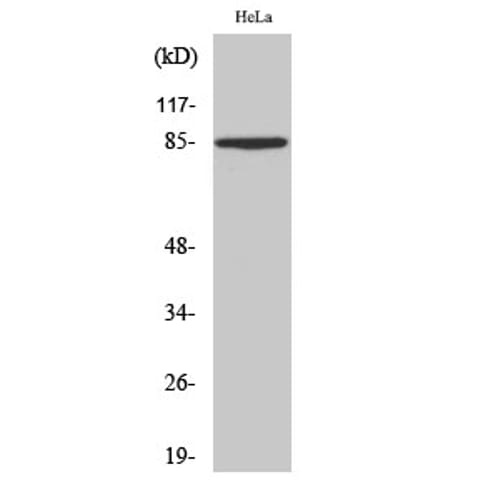
ITT0724
from
$424.00
Price in reward points: 424
- Catalog: ITT0724
- Gene/Protein: SDC1
- Product Description: Immunotag™ CD138 Polyclonal Antibody
-
Description
-
Specifications
Antibody Specification Datasheet 
IMPORTANT NOTE This product is custom manufactured with a lead time of 3-4 weeks. Once in production, this item cannot be cancelled from an order and is not eligible for return. Target Protein CD138 Clonality Polyclonal Storage/Stability -20°C/1 year Application WB,ELISA Recommended Dilution Western Blot: 1/500 - 1/2000. ELISA: 1/20000. Not yet tested in other applications. Concentration 1 mg/ml Reactive Species Human,Rat Host Species Rabbit Immunogen Synthesized peptide derived from CD138, at AA range: 60-140 Specificity CD138 Polyclonal Antibody detects endogenous levels of CD138 protein. Purification The antibody was affinity-purified from rabbit antiserum by affinity-chromatography using epitope-specific immunogen Form Liquid in PBS containing 50% glycerol, 0.5% BSA and 0.02% sodium azide. Gene Name SDC1 Accession No. P18827 P18828 P26260 Alternate Names SDC1; SDC; Syndecan-1; SYND1; CD antigen CD138 Description syndecan 1(SDC1) Homo sapiens The protein encoded by this gene is a transmembrane (type I) heparan sulfate proteoglycan and is a member of the syndecan proteoglycan family. The syndecans mediate cell binding, cell signaling, and cytoskeletal organization and syndecan receptors are required for internalization of the HIV-1 tat protein. The syndecan-1 protein functions as an integral membrane protein and participates in cell proliferation, cell migration and cell-matrix interactions via its receptor for extracellular matrix proteins. Altered syndecan-1 expression has been detected in several different tumor types. While several transcript variants may exist for this gene, the full-length natures of only two have been described to date. These two represent the major variants of this gene and encode the same protein. [provided by RefSeq, Jul 2008], Cell Pathway/ Category ECM-receptor interaction,Cell adhesion molecules (CAMs), Protein Expression Dermoid cancer,Fibroblast,Kidney,Mammary gland,Placenta, Subcellular Localization cytoplasm,Golgi lumen,plasma membrane,integral component of plasma membrane,focal adhesion,external side of plasma membrane,cell surface,membrane,lysosomal lumen,protein complex,extracellular exosome, Protein Function function:Cell surface proteoglycan that bears both heparan sulfate and chondroitin sulfate and that links the cytoskeleton to the interstitial matrix.,similarity:Belongs to the syndecan proteoglycan family.,subunit:Interacts with CDCP1., Usage For Research Use Only! Not for diagnostic or therapeutic procedures. - Reviews
| Antibody Specification | |
| Datasheet | |
| IMPORTANT NOTE | This product is custom manufactured with a lead time of 3-4 weeks. Once in production, this item cannot be cancelled from an order and is not eligible for return. |
| Target Protein | CD138 |
| Clonality | Polyclonal |
| Storage/Stability | -20°C/1 year |
| Application | WB,ELISA |
| Recommended Dilution | Western Blot: 1/500 - 1/2000. ELISA: 1/20000. Not yet tested in other applications. |
| Concentration | 1 mg/ml |
| Reactive Species | Human,Rat |
| Host Species | Rabbit |
| Immunogen | Synthesized peptide derived from CD138, at AA range: 60-140 |
| Specificity | CD138 Polyclonal Antibody detects endogenous levels of CD138 protein. |
| Purification | The antibody was affinity-purified from rabbit antiserum by affinity-chromatography using epitope-specific immunogen |
| Form | Liquid in PBS containing 50% glycerol, 0.5% BSA and 0.02% sodium azide. |
| Gene Name | SDC1 |
| Accession No. | P18827 P18828 P26260 |
| Alternate Names | SDC1; SDC; Syndecan-1; SYND1; CD antigen CD138 |
| Description | syndecan 1(SDC1) Homo sapiens The protein encoded by this gene is a transmembrane (type I) heparan sulfate proteoglycan and is a member of the syndecan proteoglycan family. The syndecans mediate cell binding, cell signaling, and cytoskeletal organization and syndecan receptors are required for internalization of the HIV-1 tat protein. The syndecan-1 protein functions as an integral membrane protein and participates in cell proliferation, cell migration and cell-matrix interactions via its receptor for extracellular matrix proteins. Altered syndecan-1 expression has been detected in several different tumor types. While several transcript variants may exist for this gene, the full-length natures of only two have been described to date. These two represent the major variants of this gene and encode the same protein. [provided by RefSeq, Jul 2008], |
| Cell Pathway/ Category | ECM-receptor interaction,Cell adhesion molecules (CAMs), |
| Protein Expression | Dermoid cancer,Fibroblast,Kidney,Mammary gland,Placenta, |
| Subcellular Localization | cytoplasm,Golgi lumen,plasma membrane,integral component of plasma membrane,focal adhesion,external side of plasma membrane,cell surface,membrane,lysosomal lumen,protein complex,extracellular exosome, |
| Protein Function | function:Cell surface proteoglycan that bears both heparan sulfate and chondroitin sulfate and that links the cytoskeleton to the interstitial matrix.,similarity:Belongs to the syndecan proteoglycan family.,subunit:Interacts with CDCP1., |
| Usage | For Research Use Only! Not for diagnostic or therapeutic procedures. |