

ITT1800
ITT1800
ITT1800
from
$424.00
Price in reward points: 424
- Catalog: ITT1800
- Gene/Protein: CXCR4
- Product Description: Immunotag™ Fusin Polyclonal Antibody
-
Description
-
Specifications
Antibody Specification Datasheet 
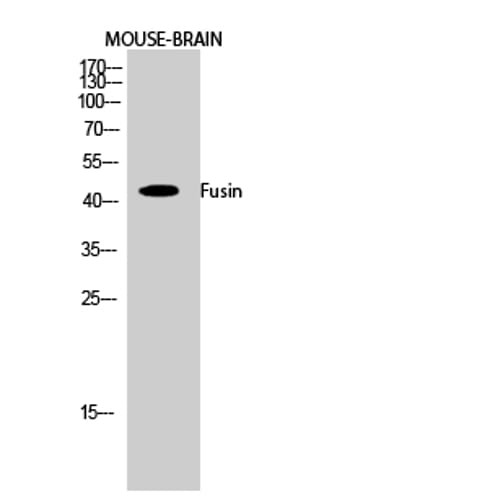
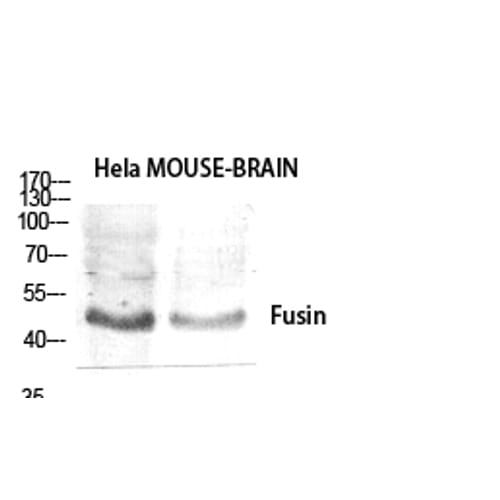
IMPORTANT NOTE This product is custom manufactured with a lead time of 3-4 weeks. Once in production, this item cannot be cancelled from an order and is not eligible for return. Target Protein Fusin Clonality Polyclonal Storage/Stability -20°C/1 year Application WB,IF,ELISA Recommended Dilution Western Blot: 1/500 - 1/2000. Immunofluorescence: 1/200 - 1/1000. ELISA: 1/40000. Not yet tested in other applications. Concentration 1 mg/ml Reactive Species Human,Mouse,Rat Host Species Rabbit Immunogen Synthesized peptide derived from Fusin, at AA range: 270-350 Specificity Fusin Polyclonal Antibody detects endogenous levels of Fusin protein. Purification The antibody was affinity-purified from rabbit antiserum by affinity-chromatography using epitope-specific immunogen Form Liquid in PBS containing 50% glycerol, 0.5% BSA and 0.02% sodium azide. Gene Name CXCR4 Accession No. P61073 P70658 O08565 Alternate Names CXCR4; C-X-C chemokine receptor type 4; CXC-R4; CXCR-4; FB22; Fusin; HM89; LCR1; Leukocyte-derived seven transmembrane domain receptor; LESTR; NPYRL; Stromal cell-derived factor 1 receptor; SDF-1 receptor; CD antigen CD184 Description C-X-C motif chemokine receptor 4(CXCR4) Homo sapiens This gene encodes a CXC chemokine receptor specific for stromal cell-derived factor-1. The protein has 7 transmembrane regions and is located on the cell surface. It acts with the CD4 protein to support HIV entry into cells and is also highly expressed in breast cancer cells. Mutations in this gene have been associated with WHIM (warts, hypogammaglobulinemia, infections, and myelokathexis) syndrome. Alternate transcriptional splice variants, encoding different isoforms, have been characterized. [provided by RefSeq, Jul 2008], Cell Pathway/ Category Cytokine-cytokine receptor interaction,Chemokine,Endocytosis,Axon guidance,Leukocyte transendothelial migration,Intestinal immune network for IgA production, Protein Expression Colon,Fetal brain,Fetal spleen,Lung,Monocyte,Neutrophil,Peripheral blood le Subcellular Localization cytoplasm,lysosome,early endosome,late endosome,plasma membrane,cell surface,integral component of membrane,cytoplasmic, membrane-bounded vesicle,cell junction,cell leading edge,cytoplasmic vesicle,extracellular exosome, Protein Function Additional isoforms seem to exist,caution:Was originally (PubMed:8329116 and PubMed:8234909) thought to be a receptor for neuropeptide Y type 3 (NPY3R) (NPY3-R).,disease:Defects in CXCR4 are a cause of WHIM syndrome [MIM:193670]; also called warts, hypogammaglobulinemia, infections, and myelokathexis. WHIM syndrome is an immunodeficiency disease characterized by neutropenia, hypogammaglobulinemia and extensive human papillomavirus (HPV) infection. Despite the peripheral neutropenia, bone marrow aspirates from affected individuals contain abundant mature myeloid cells, a condition termed myelokathexis.,domain:The amino-terminus is critical for ligand binding. Residues in all four extracellular regions contribute to HIV-1 coreceptor activity.,function:Receptor for the C-X-C chemokine CXCL12/SDF-1. Transduces a signal by increasing the intracellular calcium ions level. Involved in haematopoiesis and in cardiac ventricular septum formation. Plays also an essential role in vascularization of the gastrointestinal tract, probably by regulating vascular branching and/or remodeling processes in endothelial cells. Could be involved in cerebellar development. In the CNS, could mediate hippocampal-neuron survival. Acts as a coreceptor (CD4 being the primary receptor) for HIV-1 X4 isolates and as a primary receptor for some HIV-2 isolates. Promotes Env-mediated fusion of the virus.,online information:CXC chemokine receptors entry,online information:CXCR4 entry,online information:CXCR4 mutation db,PTM:O- and N-glycosylated. Asn-11 is the principal site of N-glycosylation. There appears to be very little or no glycosylation on Asn-176. N-glycosylation masks coreceptor function in both X4 and R5 laboratory-adapted and primary HIV-1 strains through inhibiting interaction with their Env glycoproteins. The O-glycosylation chondroitin sulfate attachment does not affect interaction with CXCL12/SDF-1alpha nor its coreceptor activity.,PTM:Sulfation on Tyr-21 is required for efficient binding of CXCL12/SDF-1alpha and promotes its dimerization.,similarity:Belongs to the G-protein coupled receptor 1 family.,subunit:Monomer. Can form dimers. Interacts with HIV-1 surface protein gp120 and Tat.,tissue specificity:Expressed in numerous tissues, such as peripheral blood leukocytes, spleen, thymus, spinal cord, heart, placenta, lung, liver, skeletal muscle, kidney, pancreas, cerebellum, cerebral cortex and medulla (in microglia as well as in astrocytes), brain microvascular, coronary artery and umbilical cord endothelial cells. Isoform 1 is predominant in all tissues tested., Usage For Research Use Only! Not for diagnostic or therapeutic procedures. - Reviews
| Antibody Specification | |
| Datasheet | |
| IMPORTANT NOTE | This product is custom manufactured with a lead time of 3-4 weeks. Once in production, this item cannot be cancelled from an order and is not eligible for return. |
| Target Protein | Fusin |
| Clonality | Polyclonal |
| Storage/Stability | -20°C/1 year |
| Application | WB,IF,ELISA |
| Recommended Dilution | Western Blot: 1/500 - 1/2000. Immunofluorescence: 1/200 - 1/1000. ELISA: 1/40000. Not yet tested in other applications. |
| Concentration | 1 mg/ml |
| Reactive Species | Human,Mouse,Rat |
| Host Species | Rabbit |
| Immunogen | Synthesized peptide derived from Fusin, at AA range: 270-350 |
| Specificity | Fusin Polyclonal Antibody detects endogenous levels of Fusin protein. |
| Purification | The antibody was affinity-purified from rabbit antiserum by affinity-chromatography using epitope-specific immunogen |
| Form | Liquid in PBS containing 50% glycerol, 0.5% BSA and 0.02% sodium azide. |
| Gene Name | CXCR4 |
| Accession No. | P61073 P70658 O08565 |
| Alternate Names | CXCR4; C-X-C chemokine receptor type 4; CXC-R4; CXCR-4; FB22; Fusin; HM89; LCR1; Leukocyte-derived seven transmembrane domain receptor; LESTR; NPYRL; Stromal cell-derived factor 1 receptor; SDF-1 receptor; CD antigen CD184 |
| Description | C-X-C motif chemokine receptor 4(CXCR4) Homo sapiens This gene encodes a CXC chemokine receptor specific for stromal cell-derived factor-1. The protein has 7 transmembrane regions and is located on the cell surface. It acts with the CD4 protein to support HIV entry into cells and is also highly expressed in breast cancer cells. Mutations in this gene have been associated with WHIM (warts, hypogammaglobulinemia, infections, and myelokathexis) syndrome. Alternate transcriptional splice variants, encoding different isoforms, have been characterized. [provided by RefSeq, Jul 2008], |
| Cell Pathway/ Category | Cytokine-cytokine receptor interaction,Chemokine,Endocytosis,Axon guidance,Leukocyte transendothelial migration,Intestinal immune network for IgA production, |
| Protein Expression | Colon,Fetal brain,Fetal spleen,Lung,Monocyte,Neutrophil,Peripheral blood le |
| Subcellular Localization | cytoplasm,lysosome,early endosome,late endosome,plasma membrane,cell surface,integral component of membrane,cytoplasmic, membrane-bounded vesicle,cell junction,cell leading edge,cytoplasmic vesicle,extracellular exosome, |
| Protein Function | Additional isoforms seem to exist,caution:Was originally (PubMed:8329116 and PubMed:8234909) thought to be a receptor for neuropeptide Y type 3 (NPY3R) (NPY3-R).,disease:Defects in CXCR4 are a cause of WHIM syndrome [MIM:193670]; also called warts, hypogammaglobulinemia, infections, and myelokathexis. WHIM syndrome is an immunodeficiency disease characterized by neutropenia, hypogammaglobulinemia and extensive human papillomavirus (HPV) infection. Despite the peripheral neutropenia, bone marrow aspirates from affected individuals contain abundant mature myeloid cells, a condition termed myelokathexis.,domain:The amino-terminus is critical for ligand binding. Residues in all four extracellular regions contribute to HIV-1 coreceptor activity.,function:Receptor for the C-X-C chemokine CXCL12/SDF-1. Transduces a signal by increasing the intracellular calcium ions level. Involved in haematopoiesis and in cardiac ventricular septum formation. Plays also an essential role in vascularization of the gastrointestinal tract, probably by regulating vascular branching and/or remodeling processes in endothelial cells. Could be involved in cerebellar development. In the CNS, could mediate hippocampal-neuron survival. Acts as a coreceptor (CD4 being the primary receptor) for HIV-1 X4 isolates and as a primary receptor for some HIV-2 isolates. Promotes Env-mediated fusion of the virus.,online information:CXC chemokine receptors entry,online information:CXCR4 entry,online information:CXCR4 mutation db,PTM:O- and N-glycosylated. Asn-11 is the principal site of N-glycosylation. There appears to be very little or no glycosylation on Asn-176. N-glycosylation masks coreceptor function in both X4 and R5 laboratory-adapted and primary HIV-1 strains through inhibiting interaction with their Env glycoproteins. The O-glycosylation chondroitin sulfate attachment does not affect interaction with CXCL12/SDF-1alpha nor its coreceptor activity.,PTM:Sulfation on Tyr-21 is required for efficient binding of CXCL12/SDF-1alpha and promotes its dimerization.,similarity:Belongs to the G-protein coupled receptor 1 family.,subunit:Monomer. Can form dimers. Interacts with HIV-1 surface protein gp120 and Tat.,tissue specificity:Expressed in numerous tissues, such as peripheral blood leukocytes, spleen, thymus, spinal cord, heart, placenta, lung, liver, skeletal muscle, kidney, pancreas, cerebellum, cerebral cortex and medulla (in microglia as well as in astrocytes), brain microvascular, coronary artery and umbilical cord endothelial cells. Isoform 1 is predominant in all tissues tested., |
| Usage | For Research Use Only! Not for diagnostic or therapeutic procedures. |