

ITT3116
ITT3116
ITT3116
from
$424.00
Price in reward points: 424
- Catalog: ITT3116
- Gene/Protein: NGFR
- Product Description: Immunotag™ NGFR p75 Polyclonal Antibody
-
Description
-
Specifications
Antibody Specification Datasheet 
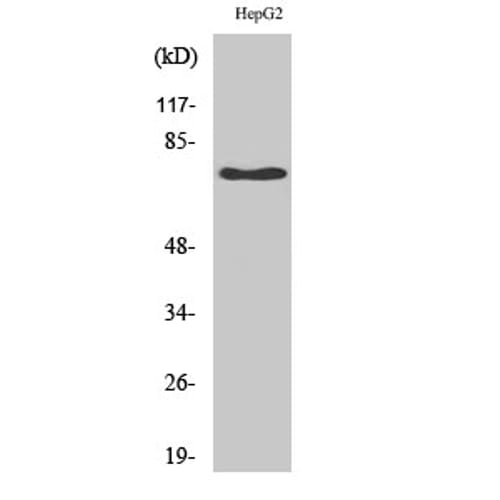
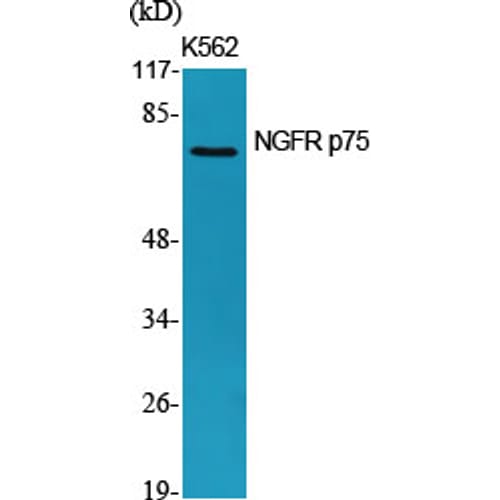
IMPORTANT NOTE This product is custom manufactured with a lead time of 3-4 weeks. Once in production, this item cannot be cancelled from an order and is not eligible for return. Target Protein NGFR p75 Clonality Polyclonal Storage/Stability -20°C/1 year Application WB,IF,ELISA Recommended Dilution Western Blot: 1/500 - 1/2000. Immunofluorescence: 1/200 - 1/1000. ELISA: 1/40000. Not yet tested in other applications. Concentration 1 mg/ml Reactive Species Human,Mouse,Rat Host Species Rabbit Immunogen Synthesized peptide derived from NGFR p75, at AA range: 90-170 Specificity NGFR p75 Polyclonal Antibody detects endogenous levels of NGFR p75 protein. Purification The antibody was affinity-purified from rabbit antiserum by affinity-chromatography using epitope-specific immunogen Form Liquid in PBS containing 50% glycerol, 0.5% BSA and 0.02% sodium azide. Gene Name NGFR Accession No. P08138 Q9Z0W1 P07174 Alternate Names NGFR; TNFRSF16; Tumor necrosis factor receptor superfamily member 16; Gp80-LNGFR; Low affinity neurotrophin receptor p75NTR; Low-affinity nerve growth factor receptor; NGF receptor; p75 ICD; CD antigen CD271 Description nerve growth factor receptor(NGFR) Homo sapiens Nerve growth factor receptor contains an extracellular domain containing four 40-amino acid repeats with 6 cysteine residues at conserved positions followed by a serine/threonine-rich region, a single transmembrane domain, and a 155-amino acid cytoplasmic domain. The cysteine-rich region contains the nerve growth factor binding domain. [provided by RefSeq, Jul 2008], Cell Pathway/ Category Cytokine-cytokine receptor interaction,Neurotrophin, Protein Expression Brain, Subcellular Localization extracellular region,nucleus,nucleoplasm,endosome,cytosol,plasma membrane,integral component of plasma membrane,cell surface,neuron projection, Protein Function domain:Death domain is responsible for interaction with RANBP9.,domain:The extracellular domain is responsible for interaction with NTRK1.,function:Low affinity receptor which can bind to NGF, BDNF, NT-3, and NT-4. Can mediate cell survival as well as cell death of neural cells.,PTM:N- and O-glycosylated.,PTM:O-linked glycans consist of Gal(1-3)GalNAc core elongated by 1 or 2 NeuNAc.,PTM:Phosphorylated on serine residues.,similarity:Contains 1 death domain.,similarity:Contains 4 TNFR-Cys repeats.,subunit:Homodimer; disulfide-linked. Interacts with p75NTR-associated cell death executor. Interacts with TRAF2, TRAF4, TRAF6, PTPN13 and RANBP9. Interacts through TRAF6 with SQSTM1 which bridges NGFR to NTRK1. Interacts with BEX1 and NGFRAP1/BEX3. Interacts with KIDINS220 and NTRK1. Can form a ternary complex with NTRK1 and KIDINS220 and this complex is affected by the expression levels of KIDINS220. An increase in KIDINS220 expression leads to a decreased association of NGFR and NTRK1 (By similarity). Interacts with LINGO1., Usage For Research Use Only! Not for diagnostic or therapeutic procedures. - Reviews
| Antibody Specification | |
| Datasheet | |
| IMPORTANT NOTE | This product is custom manufactured with a lead time of 3-4 weeks. Once in production, this item cannot be cancelled from an order and is not eligible for return. |
| Target Protein | NGFR p75 |
| Clonality | Polyclonal |
| Storage/Stability | -20°C/1 year |
| Application | WB,IF,ELISA |
| Recommended Dilution | Western Blot: 1/500 - 1/2000. Immunofluorescence: 1/200 - 1/1000. ELISA: 1/40000. Not yet tested in other applications. |
| Concentration | 1 mg/ml |
| Reactive Species | Human,Mouse,Rat |
| Host Species | Rabbit |
| Immunogen | Synthesized peptide derived from NGFR p75, at AA range: 90-170 |
| Specificity | NGFR p75 Polyclonal Antibody detects endogenous levels of NGFR p75 protein. |
| Purification | The antibody was affinity-purified from rabbit antiserum by affinity-chromatography using epitope-specific immunogen |
| Form | Liquid in PBS containing 50% glycerol, 0.5% BSA and 0.02% sodium azide. |
| Gene Name | NGFR |
| Accession No. | P08138 Q9Z0W1 P07174 |
| Alternate Names | NGFR; TNFRSF16; Tumor necrosis factor receptor superfamily member 16; Gp80-LNGFR; Low affinity neurotrophin receptor p75NTR; Low-affinity nerve growth factor receptor; NGF receptor; p75 ICD; CD antigen CD271 |
| Description | nerve growth factor receptor(NGFR) Homo sapiens Nerve growth factor receptor contains an extracellular domain containing four 40-amino acid repeats with 6 cysteine residues at conserved positions followed by a serine/threonine-rich region, a single transmembrane domain, and a 155-amino acid cytoplasmic domain. The cysteine-rich region contains the nerve growth factor binding domain. [provided by RefSeq, Jul 2008], |
| Cell Pathway/ Category | Cytokine-cytokine receptor interaction,Neurotrophin, |
| Protein Expression | Brain, |
| Subcellular Localization | extracellular region,nucleus,nucleoplasm,endosome,cytosol,plasma membrane,integral component of plasma membrane,cell surface,neuron projection, |
| Protein Function | domain:Death domain is responsible for interaction with RANBP9.,domain:The extracellular domain is responsible for interaction with NTRK1.,function:Low affinity receptor which can bind to NGF, BDNF, NT-3, and NT-4. Can mediate cell survival as well as cell death of neural cells.,PTM:N- and O-glycosylated.,PTM:O-linked glycans consist of Gal(1-3)GalNAc core elongated by 1 or 2 NeuNAc.,PTM:Phosphorylated on serine residues.,similarity:Contains 1 death domain.,similarity:Contains 4 TNFR-Cys repeats.,subunit:Homodimer; disulfide-linked. Interacts with p75NTR-associated cell death executor. Interacts with TRAF2, TRAF4, TRAF6, PTPN13 and RANBP9. Interacts through TRAF6 with SQSTM1 which bridges NGFR to NTRK1. Interacts with BEX1 and NGFRAP1/BEX3. Interacts with KIDINS220 and NTRK1. Can form a ternary complex with NTRK1 and KIDINS220 and this complex is affected by the expression levels of KIDINS220. An increase in KIDINS220 expression leads to a decreased association of NGFR and NTRK1 (By similarity). Interacts with LINGO1., |
| Usage | For Research Use Only! Not for diagnostic or therapeutic procedures. |