

ITT3803
ITT3803
ITT3803
from
$424.00
Price in reward points: 424
- Catalog: ITT3803
- Gene/Protein: PMS1
- Product Description: Immunotag™ PMS1 Polyclonal Antibody
-
Description
-
Specifications
Antibody Specification Datasheet 
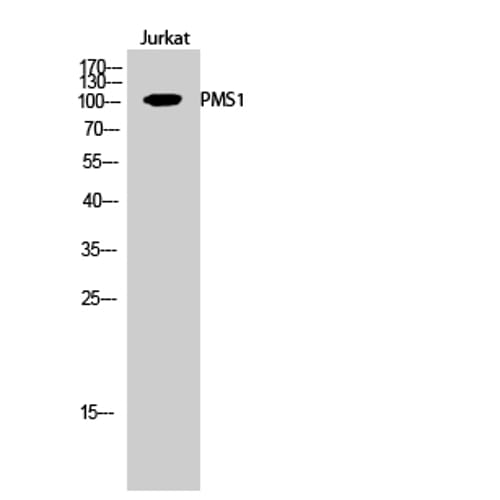
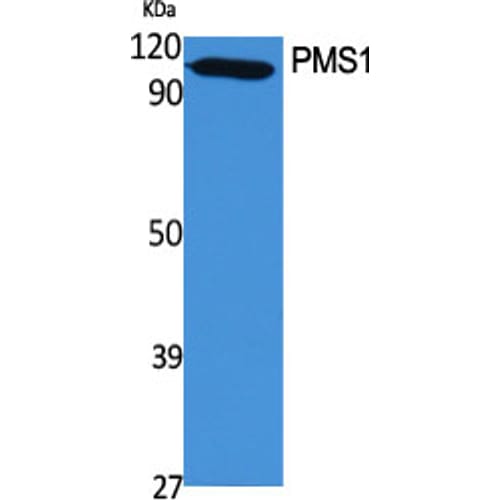
IMPORTANT NOTE This product is custom manufactured with a lead time of 3-4 weeks. Once in production, this item cannot be cancelled from an order and is not eligible for return. Target Protein PMS1 Clonality Polyclonal Storage/Stability -20°C/1 year Application WB,IHC-p,ELISA Recommended Dilution Western Blot: 1/500 - 1/2000. Immunohistochemistry: 1/100 - 1/300. ELISA: 1/10000. Not yet tested in other applications. Concentration 1 mg/ml Reactive Species Human Host Species Rabbit Immunogen The antiserum was produced against synthesized peptide derived from human PMS1. AA range:441-490 Specificity PMS1 Polyclonal Antibody detects endogenous levels of PMS1 protein. Purification The antibody was affinity-purified from rabbit antiserum by affinity-chromatography using epitope-specific immunogen Form Liquid in PBS containing 50% glycerol, 0.5% BSA and 0.02% sodium azide. Gene Name PMS1 Accession No. P54277 Alternate Names PMS1; PMSL1; PMS1 protein homolog 1; DNA mismatch repair protein PMS1 Description PMS1 homolog 1, mismatch repair system component(PMS1) Homo sapiens This gene encodes a protein belonging to the DNA mismatch repair mutL/hexB family. This protein is thought to be involved in the repair of DNA mismatches, and it can form heterodimers with MLH1, a known DNA mismatch repair protein. Mutations in this gene cause hereditary nonpolyposis colorectal cancer type 3 (HNPCC3) either alone or in combination with mutations in other genes involved in the HNPCC phenotype, which is also known as Lynch syndrome. [provided by RefSeq, Jul 2008], Protein Expression Embryonal rhabdomyosarcoma,Gall bladder,PCR rescued clones, Subcellular Localization synaptonemal complex,nucleus,chiasma,MutLalpha complex, Protein Function disease:Defects in PMS1 are the cause of hereditary non-polyposis colorectal cancer type 3 (HNPCC3) [MIM:600258]. Mutations in more than one gene locus can be involved alone or in combination in the production of the HNPCC phenotype (also called Lynch syndrome). Most families with clinically recognized HNPCC have mutations in either MLH1 or MSH2 genes. HNPCC is an autosomal, dominantly inherited disease associated with marked increase in cancer susceptibility. It is characterized by a familial predisposition to early onset colorectal carcinoma (CRC) and extra-colonic cancers of the gastrointestinal, urological and female reproductive tracts. HNPCC is reported to be the most common form of inherited colorectal cancer in the Western world, and accounts for 15% of all colon cancers. Cancers in HNPCC originate within benign neoplastic polyps termed adenomas. Clinically, HNPCC is often divided into two subgroups. Type I: hereditary predisposition to colorectal cancer, a young age of onset, and carcinoma observed in the proximal colon. Type II: patients have an increased risk for cancers in certain tissues such as the uterus, ovary, breast, stomach, small intestine, skin, and larynx in addition to the colon. Diagnosis of classical HNPCC is based on the Amsterdam criteria: 3 or more relatives affected by colorectal cancer, one a first degree relative of the other two; 2 or more generation affected; 1 or more colorectal cancers presenting before 50 years of age; exclusion of hereditary polyposis syndromes. The term "suspected HNPCC" or "incomplete HNPCC" can be used to describe families who do not or only partially fulfill the Amsterdam criteria, but in whom a genetic basis for colon cancer is strongly suspected.,function:Probably involved in the repair of mismatches in DNA.,similarity:Belongs to the DNA mismatch repair mutL/hexB family.,similarity:Contains 1 HMG box DNA-binding domain., Usage For Research Use Only! Not for diagnostic or therapeutic procedures. - Reviews
| Antibody Specification | |
| Datasheet | |
| IMPORTANT NOTE | This product is custom manufactured with a lead time of 3-4 weeks. Once in production, this item cannot be cancelled from an order and is not eligible for return. |
| Target Protein | PMS1 |
| Clonality | Polyclonal |
| Storage/Stability | -20°C/1 year |
| Application | WB,IHC-p,ELISA |
| Recommended Dilution | Western Blot: 1/500 - 1/2000. Immunohistochemistry: 1/100 - 1/300. ELISA: 1/10000. Not yet tested in other applications. |
| Concentration | 1 mg/ml |
| Reactive Species | Human |
| Host Species | Rabbit |
| Immunogen | The antiserum was produced against synthesized peptide derived from human PMS1. AA range:441-490 |
| Specificity | PMS1 Polyclonal Antibody detects endogenous levels of PMS1 protein. |
| Purification | The antibody was affinity-purified from rabbit antiserum by affinity-chromatography using epitope-specific immunogen |
| Form | Liquid in PBS containing 50% glycerol, 0.5% BSA and 0.02% sodium azide. |
| Gene Name | PMS1 |
| Accession No. | P54277 |
| Alternate Names | PMS1; PMSL1; PMS1 protein homolog 1; DNA mismatch repair protein PMS1 |
| Description | PMS1 homolog 1, mismatch repair system component(PMS1) Homo sapiens This gene encodes a protein belonging to the DNA mismatch repair mutL/hexB family. This protein is thought to be involved in the repair of DNA mismatches, and it can form heterodimers with MLH1, a known DNA mismatch repair protein. Mutations in this gene cause hereditary nonpolyposis colorectal cancer type 3 (HNPCC3) either alone or in combination with mutations in other genes involved in the HNPCC phenotype, which is also known as Lynch syndrome. [provided by RefSeq, Jul 2008], |
| Protein Expression | Embryonal rhabdomyosarcoma,Gall bladder,PCR rescued clones, |
| Subcellular Localization | synaptonemal complex,nucleus,chiasma,MutLalpha complex, |
| Protein Function | disease:Defects in PMS1 are the cause of hereditary non-polyposis colorectal cancer type 3 (HNPCC3) [MIM:600258]. Mutations in more than one gene locus can be involved alone or in combination in the production of the HNPCC phenotype (also called Lynch syndrome). Most families with clinically recognized HNPCC have mutations in either MLH1 or MSH2 genes. HNPCC is an autosomal, dominantly inherited disease associated with marked increase in cancer susceptibility. It is characterized by a familial predisposition to early onset colorectal carcinoma (CRC) and extra-colonic cancers of the gastrointestinal, urological and female reproductive tracts. HNPCC is reported to be the most common form of inherited colorectal cancer in the Western world, and accounts for 15% of all colon cancers. Cancers in HNPCC originate within benign neoplastic polyps termed adenomas. Clinically, HNPCC is often divided into two subgroups. Type I: hereditary predisposition to colorectal cancer, a young age of onset, and carcinoma observed in the proximal colon. Type II: patients have an increased risk for cancers in certain tissues such as the uterus, ovary, breast, stomach, small intestine, skin, and larynx in addition to the colon. Diagnosis of classical HNPCC is based on the Amsterdam criteria: 3 or more relatives affected by colorectal cancer, one a first degree relative of the other two; 2 or more generation affected; 1 or more colorectal cancers presenting before 50 years of age; exclusion of hereditary polyposis syndromes. The term "suspected HNPCC" or "incomplete HNPCC" can be used to describe families who do not or only partially fulfill the Amsterdam criteria, but in whom a genetic basis for colon cancer is strongly suspected.,function:Probably involved in the repair of mismatches in DNA.,similarity:Belongs to the DNA mismatch repair mutL/hexB family.,similarity:Contains 1 HMG box DNA-binding domain., |
| Usage | For Research Use Only! Not for diagnostic or therapeutic procedures. |