

ITT4678
ITT4678
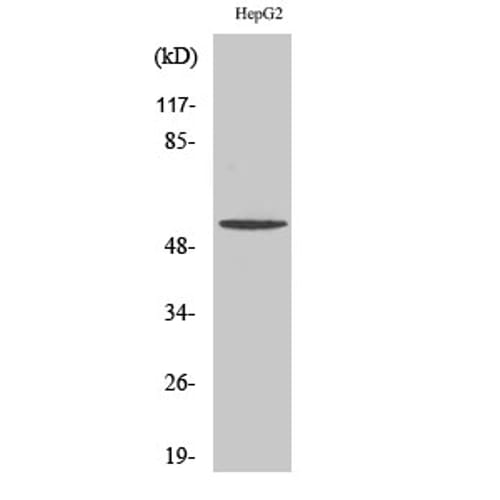
ITT4678
from
$424.00
Price in reward points: 424
- Catalog: ITT4678
- Gene/Protein: TMEM145
- Product Description: Immunotag™ TMEM145 Polyclonal Antibody
-
Description
-
Specifications
Antibody Specification Datasheet 
IMPORTANT NOTE This product is custom manufactured with a lead time of 3-4 weeks. Once in production, this item cannot be cancelled from an order and is not eligible for return. Target Protein TMEM145 Clonality Polyclonal Storage/Stability -20°C/1 year Application WB,IHC-p,IF,ELISA Recommended Dilution Western Blot: 1/500 - 1/2000. Immunohistochemistry: 1/100 - 1/300. Immunofluorescence: 1/200 - 1/1000. ELISA: 1/10000. Not yet tested in other applications. Concentration 1 mg/ml Reactive Species Human,Mouse Host Species Rabbit Immunogen The antiserum was produced against synthesized peptide derived from human TMEM145. AA range:58-107 Specificity TMEM145 Polyclonal Antibody detects endogenous levels of TMEM145 protein. Purification The antibody was affinity-purified from rabbit antiserum by affinity-chromatography using epitope-specific immunogen Form Liquid in PBS containing 50% glycerol, 0.5% BSA and 0.02% sodium azide. Gene Name TMEM145 Accession No. Q8NBT3 Q8C4U2 Alternate Names TMEM145; Transmembrane protein 145 Description TMEM145 (transmembrane protein 145) is a 493 amino acid protein encoded by a gene mapping to human chromosome 19. Consisting of around 63 million bases with over 1,400 genes, chromosome 19 makes up over 2% of human genomic DNA. Chromosome 19 includes a diversity of interesting genes and is recognized for having the greatest gene density of the human chromosomes. It is the genetic home for a number of immunoglobulin superfamily members including the killer cell and leukocyte Ig-like receptors, a number of ICAMs, the CEACAM and PSG family, and Fcα receptors. Key genes for eye color and hair color also map to chromosome 19. Peutz-Jeghers syndrome, spinocerebellar ataxia type 6, the stroke disorder CADASIL, hypercholesterolemia and insulin-dependent diabetes have been linked to chromosome 19. Translocations with chromosome 19 and chromosome 14 can be seen in some lymphoproliferative disorders and typically involve the proto-oncogene BCL3. Protein Expression Retinoblastoma, Subcellular Localization integral component of membrane, Usage For Research Use Only! Not for diagnostic or therapeutic procedures. - Reviews
| Antibody Specification | |
| Datasheet | |
| IMPORTANT NOTE | This product is custom manufactured with a lead time of 3-4 weeks. Once in production, this item cannot be cancelled from an order and is not eligible for return. |
| Target Protein | TMEM145 |
| Clonality | Polyclonal |
| Storage/Stability | -20°C/1 year |
| Application | WB,IHC-p,IF,ELISA |
| Recommended Dilution | Western Blot: 1/500 - 1/2000. Immunohistochemistry: 1/100 - 1/300. Immunofluorescence: 1/200 - 1/1000. ELISA: 1/10000. Not yet tested in other applications. |
| Concentration | 1 mg/ml |
| Reactive Species | Human,Mouse |
| Host Species | Rabbit |
| Immunogen | The antiserum was produced against synthesized peptide derived from human TMEM145. AA range:58-107 |
| Specificity | TMEM145 Polyclonal Antibody detects endogenous levels of TMEM145 protein. |
| Purification | The antibody was affinity-purified from rabbit antiserum by affinity-chromatography using epitope-specific immunogen |
| Form | Liquid in PBS containing 50% glycerol, 0.5% BSA and 0.02% sodium azide. |
| Gene Name | TMEM145 |
| Accession No. | Q8NBT3 Q8C4U2 |
| Alternate Names | TMEM145; Transmembrane protein 145 |
| Description | TMEM145 (transmembrane protein 145) is a 493 amino acid protein encoded by a gene mapping to human chromosome 19. Consisting of around 63 million bases with over 1,400 genes, chromosome 19 makes up over 2% of human genomic DNA. Chromosome 19 includes a diversity of interesting genes and is recognized for having the greatest gene density of the human chromosomes. It is the genetic home for a number of immunoglobulin superfamily members including the killer cell and leukocyte Ig-like receptors, a number of ICAMs, the CEACAM and PSG family, and Fcα receptors. Key genes for eye color and hair color also map to chromosome 19. Peutz-Jeghers syndrome, spinocerebellar ataxia type 6, the stroke disorder CADASIL, hypercholesterolemia and insulin-dependent diabetes have been linked to chromosome 19. Translocations with chromosome 19 and chromosome 14 can be seen in some lymphoproliferative disorders and typically involve the proto-oncogene BCL3. |
| Protein Expression | Retinoblastoma, |
| Subcellular Localization | integral component of membrane, |
| Usage | For Research Use Only! Not for diagnostic or therapeutic procedures. |