

ITT5108
ITT5108
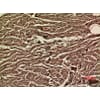
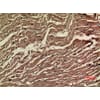
ITT5108
from
$424.00
Price in reward points: 424
- Catalog: ITT5108
- Gene/Protein: VEGFA
- Product Description: Immunotag™ VEGF-A Polyclonal Antibody
-
Description
-
Specifications
Antibody Specification Datasheet 
IMPORTANT NOTE This product is custom manufactured with a lead time of 3-4 weeks. Once in production, this item cannot be cancelled from an order and is not eligible for return. Target Protein VEGF-A Clonality Polyclonal Storage/Stability -20°C/1 year Application WB,IHC-p,ELISA Recommended Dilution Western Blot: 1/500 - 1/2000. IHC-p: 1:100-300 ELISA: 1/20000. Not yet tested in other applications. Concentration 1 mg/ml Reactive Species Human Host Species Rabbit Immunogen The antiserum was produced against synthesized peptide derived from the Internal region of human VEGFA. AA range:101-150 Specificity VEGF-A Polyclonal Antibody detects endogenous levels of VEGF-A protein. Purification The antibody was affinity-purified from rabbit antiserum by affinity-chromatography using epitope-specific immunogen Form Liquid in PBS containing 50% glycerol, 0.5% BSA and 0.02% sodium azide. Gene Name VEGFA Accession No. P15692 Q00731 Alternate Names VEGFA; VEGF; Vascular endothelial growth factor A; VEGF-A; Vascular permeability factor; VPF Description vascular endothelial growth factor A(VEGFA) Homo sapiens This gene is a member of the PDGF/VEGF growth factor family. It encodes a heparin-binding protein, which exists as a disulfide-linked homodimer. This growth factor induces proliferation and migration of vascular endothelial cells, and is essential for both physiological and pathological angiogenesis. Disruption of this gene in mice resulted in abnormal embryonic blood vessel formation. This gene is upregulated in many known tumors and its expression is correlated with tumor stage and progression. Elevated levels of this protein are found in patients with POEMS syndrome, also known as Crow-Fukase syndrome. Allelic variants of this gene have been associated with microvascular complications of diabetes 1 (MVCD1) and atherosclerosis. Alternatively spliced transcript variants encoding different isoforms have been described. There is also evidence for alternative translation initiation fro Cell Pathway/ Category Cytokine-cytokine receptor interaction,mTOR,VEGF,Focal adhesion,Pathways in cancer,Renal cell carcinoma,Pancreatic cancer,Bladder cancer, Protein Expression Brain,Epithelium,Heart,Hemangioendothelioma,Kidney,Lung,Mammary gla Subcellular Localization extracellular region,proteinaceous extracellular matrix,extracellular space,cytoplasm,cell surface,membrane,secretory granule,platelet alpha granule lumen, Protein Function function:Growth factor active in angiogenesis, vasculogenesis and endothelial cell growth. Induces endothelial cell proliferation, promotes cell migration, inhibits apoptosis, and induces permeabilization of blood vessels. Binds to the VEGFR1/Flt-1 and VEGFR2/Kdr receptors, heparan sulfate and heparin. Neuropilin-1 binds isoforms VEGF-165 and VEGF-145. Isoform VEGF165B binds to VEGFR2/Kdr but doesn't activate downstream signaling pathways, doesn't activate angiogenesis and inhibits tumor growth.,induction:Regulated by growth factors, cytokines, gonadotropins, nitric oxide, hypoxia, hypoglycemia and oncogenic mutations.,online information:VEGF entry,similarity:Belongs to the PDGF/VEGF growth factor family.,subcellular location:VEGF121 is acidic and freely secreted. VEGF165 is more basic, has heparin-binding properties and, although a signicant proportion remains cell-associated, most is freely secreted. VEGF189 is very basic, it is cell-associated after secretion and is bound avidly by heparin and the extracellular matrix, although it may be released as a soluble form by heparin, heparinase or plasmin.,subunit:Homodimer; disulfide-linked. Also found as heterodimer with PlGF.,tissue specificity:The VEGF189, VEGF-165 and VEGF-121 isoforms are widely expressed, whereas the VEGF206 and VEGF-145 are uncommon., Usage For Research Use Only! Not for diagnostic or therapeutic procedures. - Reviews
| Antibody Specification | |
| Datasheet | |
| IMPORTANT NOTE | This product is custom manufactured with a lead time of 3-4 weeks. Once in production, this item cannot be cancelled from an order and is not eligible for return. |
| Target Protein | VEGF-A |
| Clonality | Polyclonal |
| Storage/Stability | -20°C/1 year |
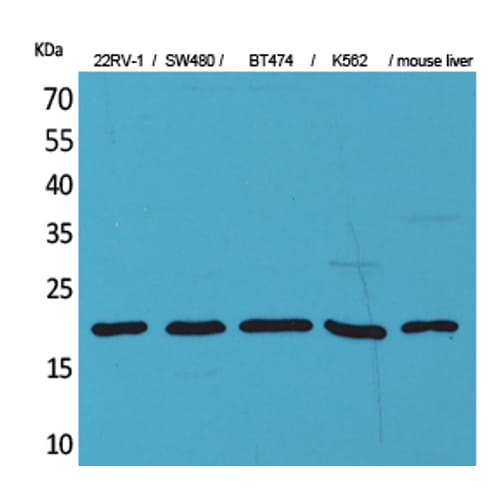
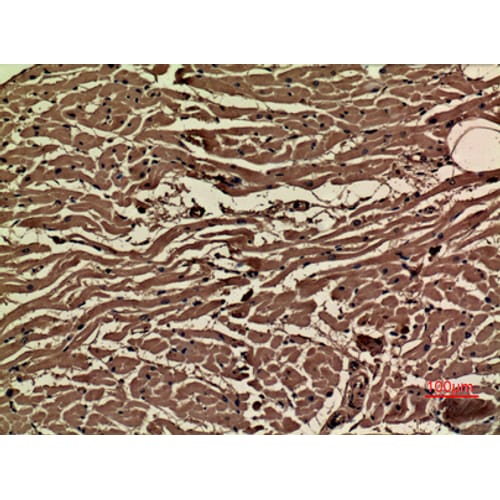
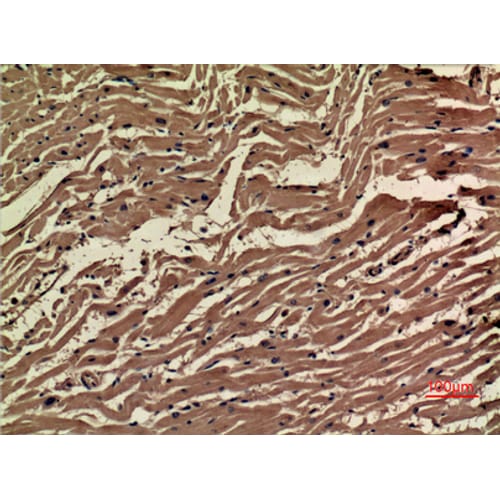
| Application | WB,IHC-p,ELISA |
| Recommended Dilution | Western Blot: 1/500 - 1/2000. IHC-p: 1:100-300 ELISA: 1/20000. Not yet tested in other applications. |
| Concentration | 1 mg/ml |
| Reactive Species | Human |
| Host Species | Rabbit |
| Immunogen | The antiserum was produced against synthesized peptide derived from the Internal region of human VEGFA. AA range:101-150 |
| Specificity | VEGF-A Polyclonal Antibody detects endogenous levels of VEGF-A protein. |
| Purification | The antibody was affinity-purified from rabbit antiserum by affinity-chromatography using epitope-specific immunogen |
| Form | Liquid in PBS containing 50% glycerol, 0.5% BSA and 0.02% sodium azide. |
| Gene Name | VEGFA |
| Accession No. | P15692 Q00731 |
| Alternate Names | VEGFA; VEGF; Vascular endothelial growth factor A; VEGF-A; Vascular permeability factor; VPF |
| Description | vascular endothelial growth factor A(VEGFA) Homo sapiens This gene is a member of the PDGF/VEGF growth factor family. It encodes a heparin-binding protein, which exists as a disulfide-linked homodimer. This growth factor induces proliferation and migration of vascular endothelial cells, and is essential for both physiological and pathological angiogenesis. Disruption of this gene in mice resulted in abnormal embryonic blood vessel formation. This gene is upregulated in many known tumors and its expression is correlated with tumor stage and progression. Elevated levels of this protein are found in patients with POEMS syndrome, also known as Crow-Fukase syndrome. Allelic variants of this gene have been associated with microvascular complications of diabetes 1 (MVCD1) and atherosclerosis. Alternatively spliced transcript variants encoding different isoforms have been described. There is also evidence for alternative translation initiation fro |
| Cell Pathway/ Category | Cytokine-cytokine receptor interaction,mTOR,VEGF,Focal adhesion,Pathways in cancer,Renal cell carcinoma,Pancreatic cancer,Bladder cancer, |
| Protein Expression | Brain,Epithelium,Heart,Hemangioendothelioma,Kidney,Lung,Mammary gla |
| Subcellular Localization | extracellular region,proteinaceous extracellular matrix,extracellular space,cytoplasm,cell surface,membrane,secretory granule,platelet alpha granule lumen, |
| Protein Function | function:Growth factor active in angiogenesis, vasculogenesis and endothelial cell growth. Induces endothelial cell proliferation, promotes cell migration, inhibits apoptosis, and induces permeabilization of blood vessels. Binds to the VEGFR1/Flt-1 and VEGFR2/Kdr receptors, heparan sulfate and heparin. Neuropilin-1 binds isoforms VEGF-165 and VEGF-145. Isoform VEGF165B binds to VEGFR2/Kdr but doesn't activate downstream signaling pathways, doesn't activate angiogenesis and inhibits tumor growth.,induction:Regulated by growth factors, cytokines, gonadotropins, nitric oxide, hypoxia, hypoglycemia and oncogenic mutations.,online information:VEGF entry,similarity:Belongs to the PDGF/VEGF growth factor family.,subcellular location:VEGF121 is acidic and freely secreted. VEGF165 is more basic, has heparin-binding properties and, although a signicant proportion remains cell-associated, most is freely secreted. VEGF189 is very basic, it is cell-associated after secretion and is bound avidly by heparin and the extracellular matrix, although it may be released as a soluble form by heparin, heparinase or plasmin.,subunit:Homodimer; disulfide-linked. Also found as heterodimer with PlGF.,tissue specificity:The VEGF189, VEGF-165 and VEGF-121 isoforms are widely expressed, whereas the VEGF206 and VEGF-145 are uncommon., |
| Usage | For Research Use Only! Not for diagnostic or therapeutic procedures. |