

ITT5112
ITT5112
ITT5112
from
$424.00
Price in reward points: 424
- Catalog: ITT5112
- Gene/Protein: CX3CR1
- Product Description: Immunotag™ Fractalkine Receptor Polyclonal Antibody
-
Description
-
Specifications
Antibody Specification Datasheet 
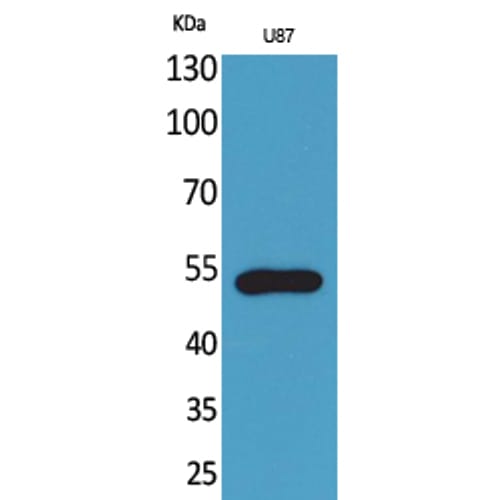
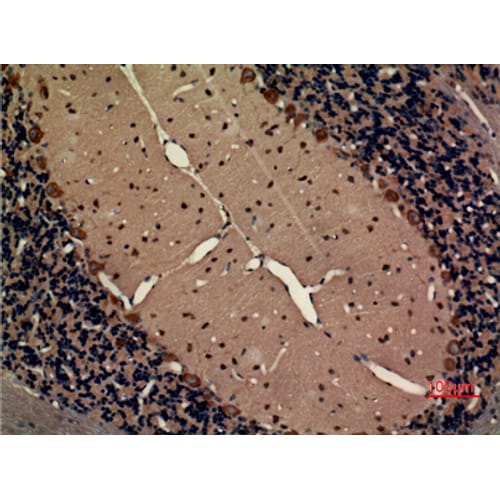
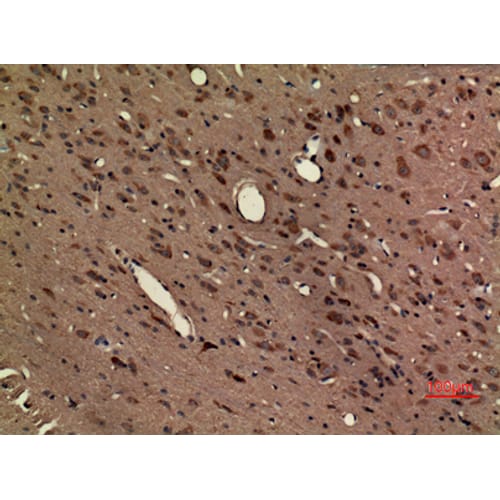
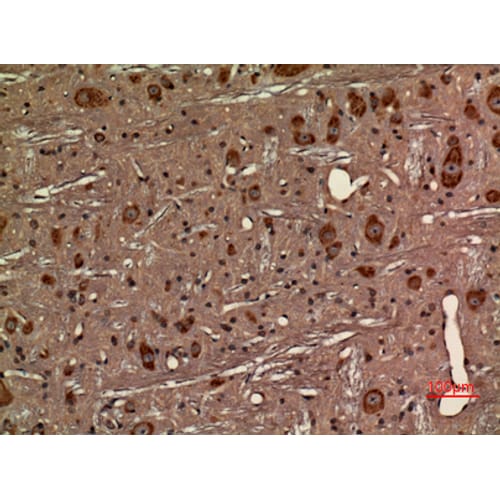
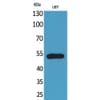
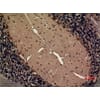
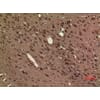
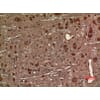
IMPORTANT NOTE This product is custom manufactured with a lead time of 3-4 weeks. Once in production, this item cannot be cancelled from an order and is not eligible for return. Target Protein Fractalkine Receptor Clonality Polyclonal Storage/Stability -20°C/1 year Application WB,IHC-p,ELISA Recommended Dilution Western Blot: 1/500 - 1/2000. IHC-p: 1:100-300 ELISA: 1/20000. Not yet tested in other applications. Concentration 1 mg/ml Reactive Species Human,Mouse,Rat Host Species Rabbit Immunogen Synthesized peptide derived from Fractalkine Receptor, at AA range: 120-200 Specificity Fractalkine Receptor Polyclonal Antibody detects endogenous levels of Fractalkine Receptor protein. Purification The antibody was affinity-purified from rabbit antiserum by affinity-chromatography using epitope-specific immunogen Form Liquid in PBS containing 50% glycerol, 0.5% BSA and 0.02% sodium azide. Gene Name CX3CR1 Accession No. P49238 Q9Z0D9 P35411 Alternate Names CX3CR1; CMKBRL1; GPR13; CX3C chemokine receptor 1; C-X3-C CKR-1; CX3CR1; Beta chemokine receptor-like 1; CMK-BRL-1; CMK-BRL1; Fractalkine receptor; G-protein coupled receptor 13; V28 Description C-X3-C motif chemokine receptor 1(CX3CR1) Homo sapiens Fractalkine is a transmembrane protein and chemokine involved in the adhesion and migration of leukocytes. The protein encoded by this gene is a receptor for fractalkine. The encoded protein also is a coreceptor for HIV-1, and some variations in this gene lead to increased susceptibility to HIV-1 infection and rapid progression to AIDS. Four transcript variants encoding two different isoforms have been found for this gene. [provided by RefSeq, Jan 2010], Cell Pathway/ Category Cytokine-cytokine receptor interaction,Chemokine, Protein Expression Amygdala,Blood, Subcellular Localization plasma membrane,integral component of plasma membrane,integral component of membrane,neuronal cell body membrane,neuron projection,perinuclear region of cytoplasm, Protein Function function:Receptor for the CX3C chemokine fractalkine and mediates both its adhesive and migratory functions. Acts as coreceptor with CD4 for HIV-1 virus envelope protein (in vitro). Isoform 2 and isoform 3 seem to be more potent HIV-1 coreceptors than isoform 1.,polymorphism:Variations in CX3CR1 are associated with rapid progression to AIDS [MIM:609423]. Increased susceptibility to HIV infection and rapid progression to AIDS are associated with the Ile-249/Met-280 haplotype.,similarity:Belongs to the G-protein coupled receptor 1 family.,subunit:Interacts with human respiratory syncytial virus (HRSV) protein G; this interaction modulates host immune response. Interacts with HIV-1 envelope polyprotein gp160.,tissue specificity:Expressed in lymphoid and neural tissues., Usage For Research Use Only! Not for diagnostic or therapeutic procedures. - Reviews
| Antibody Specification | |
| Datasheet | |
| IMPORTANT NOTE | This product is custom manufactured with a lead time of 3-4 weeks. Once in production, this item cannot be cancelled from an order and is not eligible for return. |
| Target Protein | Fractalkine Receptor |
| Clonality | Polyclonal |
| Storage/Stability | -20°C/1 year |
| Application | WB,IHC-p,ELISA |
| Recommended Dilution | Western Blot: 1/500 - 1/2000. IHC-p: 1:100-300 ELISA: 1/20000. Not yet tested in other applications. |
| Concentration | 1 mg/ml |
| Reactive Species | Human,Mouse,Rat |
| Host Species | Rabbit |
| Immunogen | Synthesized peptide derived from Fractalkine Receptor, at AA range: 120-200 |
| Specificity | Fractalkine Receptor Polyclonal Antibody detects endogenous levels of Fractalkine Receptor protein. |
| Purification | The antibody was affinity-purified from rabbit antiserum by affinity-chromatography using epitope-specific immunogen |
| Form | Liquid in PBS containing 50% glycerol, 0.5% BSA and 0.02% sodium azide. |
| Gene Name | CX3CR1 |
| Accession No. | P49238 Q9Z0D9 P35411 |
| Alternate Names | CX3CR1; CMKBRL1; GPR13; CX3C chemokine receptor 1; C-X3-C CKR-1; CX3CR1; Beta chemokine receptor-like 1; CMK-BRL-1; CMK-BRL1; Fractalkine receptor; G-protein coupled receptor 13; V28 |
| Description | C-X3-C motif chemokine receptor 1(CX3CR1) Homo sapiens Fractalkine is a transmembrane protein and chemokine involved in the adhesion and migration of leukocytes. The protein encoded by this gene is a receptor for fractalkine. The encoded protein also is a coreceptor for HIV-1, and some variations in this gene lead to increased susceptibility to HIV-1 infection and rapid progression to AIDS. Four transcript variants encoding two different isoforms have been found for this gene. [provided by RefSeq, Jan 2010], |
| Cell Pathway/ Category | Cytokine-cytokine receptor interaction,Chemokine, |
| Protein Expression | Amygdala,Blood, |
| Subcellular Localization | plasma membrane,integral component of plasma membrane,integral component of membrane,neuronal cell body membrane,neuron projection,perinuclear region of cytoplasm, |
| Protein Function | function:Receptor for the CX3C chemokine fractalkine and mediates both its adhesive and migratory functions. Acts as coreceptor with CD4 for HIV-1 virus envelope protein (in vitro). Isoform 2 and isoform 3 seem to be more potent HIV-1 coreceptors than isoform 1.,polymorphism:Variations in CX3CR1 are associated with rapid progression to AIDS [MIM:609423]. Increased susceptibility to HIV infection and rapid progression to AIDS are associated with the Ile-249/Met-280 haplotype.,similarity:Belongs to the G-protein coupled receptor 1 family.,subunit:Interacts with human respiratory syncytial virus (HRSV) protein G; this interaction modulates host immune response. Interacts with HIV-1 envelope polyprotein gp160.,tissue specificity:Expressed in lymphoid and neural tissues., |
| Usage | For Research Use Only! Not for diagnostic or therapeutic procedures. |