

ITT5118
ITT5118
ITT5118
from
$424.00
Price in reward points: 424
- Catalog: ITT5118
- Gene/Protein: HNF4A/HNF4G
- Product Description: Immunotag™ HNF-4α/γ Polyclonal Antibody
-
Description
-
Specifications
Antibody Specification Datasheet 
IMPORTANT NOTE This product is custom manufactured with a lead time of 3-4 weeks. Once in production, this item cannot be cancelled from an order and is not eligible for return. Target Protein HNF4α/γ Clonality Polyclonal Storage/Stability -20°C/1 year Application WB,IHC-p,ELISA Recommended Dilution Western Blot: 1/500 - 1/2000. IHC-p: 1:100-300 ELISA: 1/20000. Not yet tested in other applications. Concentration 1 mg/ml Reactive Species Human,Mouse,Rat Host Species Rabbit Immunogen Synthesized peptide derived from the Internal region of human HNF-4α/γ Specificity HNF-4α/γ Polyclonal Antibody detects endogenous levels of HNF-4α/γ protein. Purification The antibody was affinity-purified from rabbit antiserum by affinity-chromatography using epitope-specific immunogen Form Liquid in PBS containing 50% glycerol, 0.5% BSA and 0.02% sodium azide. Gene Name HNF4A/HNF4G Accession No. P41235 P49698 P22449 Alternate Names HNF4A; HNF4; NR2A1; TCF14; Hepatocyte nuclear factor 4-alpha; HNF-4-alpha; Nuclear receptor subfamily 2 group A member 1; Transcription factor 14; TCF-14;Transcription factor HNF-4; HNF4G; NR2A2; Hepatocyte nuclear factor 4-gamma; HNF-4-gamma; Nuclear receptor subfamily 2 group A member 2 Description hepatocyte nuclear factor 4 alpha(HNF4A) Homo sapiens The protein encoded by this gene is a nuclear transcription factor which binds DNA as a homodimer. The encoded protein controls the expression of several genes, including hepatocyte nuclear factor 1 alpha, a transcription factor which regulates the expression of several hepatic genes. This gene may play a role in development of the liver, kidney, and intestines. Mutations in this gene have been associated with monogenic autosomal dominant non-insulin-dependent diabetes mellitus type I. Alternative splicing of this gene results in multiple transcript variants encoding several different isoforms. [provided by RefSeq, Apr 2012], Cell Pathway/ Category Maturity onset diabetes of the young, Protein Expression Kidney,Liver, Subcellular Localization nucleus,nucleoplasm,cytoplasm, Protein Function Additional isoforms seem to exist,disease:Defects in HNF4A are the cause of maturity onset diabetes of the young type 1 (MODY1) [MIM:125850]; also shortened MODY-1. MODY [MIM:606391] is a form of diabetes that is characterized by an autosomal dominant mode of inheritance, onset in childhood or early adulthood (usually before 25 years of age) and a primary defect in insulin secretion. The clinical phenotype of MODY1 is characterized by severe insulin secretory defects, and by major hyperglycemia associated with microvascular complications.,function:Transcriptionally controlled transcription factor. Binds to DNA sites required for the transcription of alpha 1-antitrypsin, apolipoprotein CIII, transthyretin genes and HNF1-alpha. May be essential for development of the liver, kidney and intestine.,miscellaneous:Binds fatty acids.,online information:Hepatocyte nuclear factors entry,PTM:Phosphorylated on tyrosine residue(s); phosphorylation is important for its DNA-binding activity. Phosphorylation may directly or indirectly play a regulatory role in the subnuclear distribution.,similarity:Belongs to the nuclear hormone receptor family.,similarity:Belongs to the nuclear hormone receptor family. NR2 subfamily.,similarity:Contains 1 nuclear receptor DNA-binding domain.,subunit:Homodimerization is required for HNF4-alpha to bind to its recognition site., Usage For Research Use Only! Not for diagnostic or therapeutic procedures. - Reviews
| Antibody Specification | |
| Datasheet | |
| IMPORTANT NOTE | This product is custom manufactured with a lead time of 3-4 weeks. Once in production, this item cannot be cancelled from an order and is not eligible for return. |
| Target Protein | HNF4α/γ |
| Clonality | Polyclonal |
| Storage/Stability | -20°C/1 year |
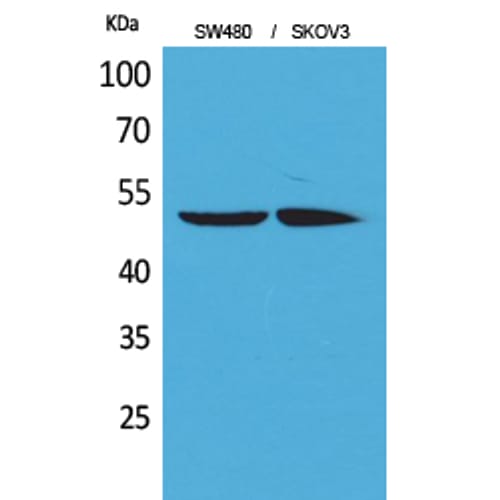
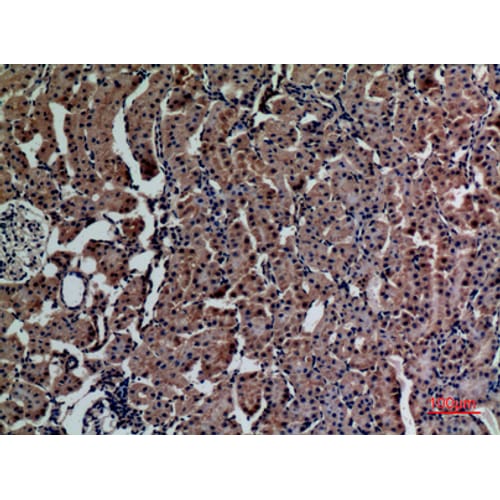
| Application | WB,IHC-p,ELISA |
| Recommended Dilution | Western Blot: 1/500 - 1/2000. IHC-p: 1:100-300 ELISA: 1/20000. Not yet tested in other applications. |
| Concentration | 1 mg/ml |
| Reactive Species | Human,Mouse,Rat |
| Host Species | Rabbit |
| Immunogen | Synthesized peptide derived from the Internal region of human HNF-4α/γ |
| Specificity | HNF-4α/γ Polyclonal Antibody detects endogenous levels of HNF-4α/γ protein. |
| Purification | The antibody was affinity-purified from rabbit antiserum by affinity-chromatography using epitope-specific immunogen |
| Form | Liquid in PBS containing 50% glycerol, 0.5% BSA and 0.02% sodium azide. |
| Gene Name | HNF4A/HNF4G |
| Accession No. | P41235 P49698 P22449 |
| Alternate Names | HNF4A; HNF4; NR2A1; TCF14; Hepatocyte nuclear factor 4-alpha; HNF-4-alpha; Nuclear receptor subfamily 2 group A member 1; Transcription factor 14; TCF-14;Transcription factor HNF-4; HNF4G; NR2A2; Hepatocyte nuclear factor 4-gamma; HNF-4-gamma; Nuclear receptor subfamily 2 group A member 2 |
| Description | hepatocyte nuclear factor 4 alpha(HNF4A) Homo sapiens The protein encoded by this gene is a nuclear transcription factor which binds DNA as a homodimer. The encoded protein controls the expression of several genes, including hepatocyte nuclear factor 1 alpha, a transcription factor which regulates the expression of several hepatic genes. This gene may play a role in development of the liver, kidney, and intestines. Mutations in this gene have been associated with monogenic autosomal dominant non-insulin-dependent diabetes mellitus type I. Alternative splicing of this gene results in multiple transcript variants encoding several different isoforms. [provided by RefSeq, Apr 2012], |
| Cell Pathway/ Category | Maturity onset diabetes of the young, |
| Protein Expression | Kidney,Liver, |
| Subcellular Localization | nucleus,nucleoplasm,cytoplasm, |
| Protein Function | Additional isoforms seem to exist,disease:Defects in HNF4A are the cause of maturity onset diabetes of the young type 1 (MODY1) [MIM:125850]; also shortened MODY-1. MODY [MIM:606391] is a form of diabetes that is characterized by an autosomal dominant mode of inheritance, onset in childhood or early adulthood (usually before 25 years of age) and a primary defect in insulin secretion. The clinical phenotype of MODY1 is characterized by severe insulin secretory defects, and by major hyperglycemia associated with microvascular complications.,function:Transcriptionally controlled transcription factor. Binds to DNA sites required for the transcription of alpha 1-antitrypsin, apolipoprotein CIII, transthyretin genes and HNF1-alpha. May be essential for development of the liver, kidney and intestine.,miscellaneous:Binds fatty acids.,online information:Hepatocyte nuclear factors entry,PTM:Phosphorylated on tyrosine residue(s); phosphorylation is important for its DNA-binding activity. Phosphorylation may directly or indirectly play a regulatory role in the subnuclear distribution.,similarity:Belongs to the nuclear hormone receptor family.,similarity:Belongs to the nuclear hormone receptor family. NR2 subfamily.,similarity:Contains 1 nuclear receptor DNA-binding domain.,subunit:Homodimerization is required for HNF4-alpha to bind to its recognition site., |
| Usage | For Research Use Only! Not for diagnostic or therapeutic procedures. |