

ITT5179
ITT5179
ITT5179
from
$424.00
Price in reward points: 424
- Catalog: ITT5179
- Gene/Protein: FGF9
- Product Description: Immunotag™ FGF-9 Polyclonal Antibody
-
Description
-
Specifications
Antibody Specification Datasheet 
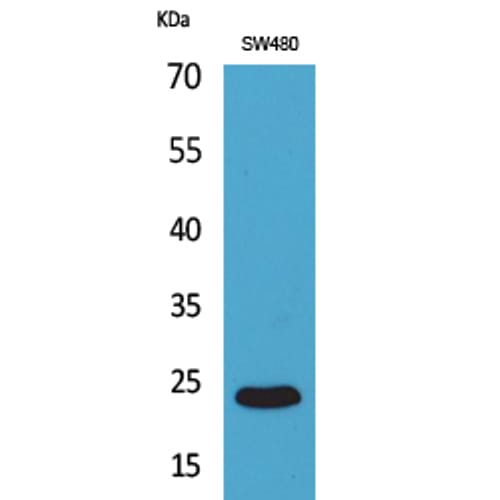
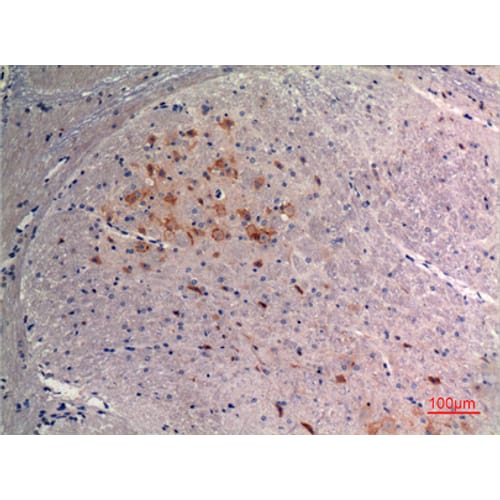
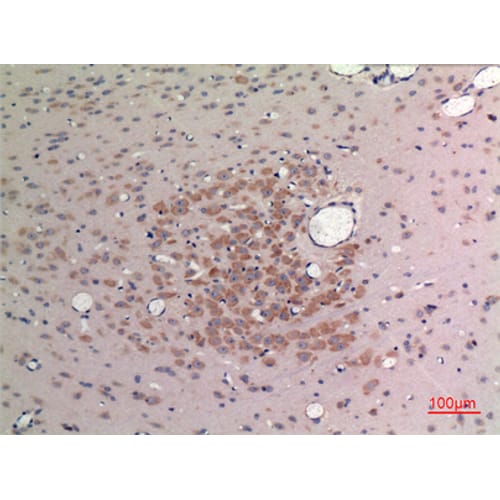
IMPORTANT NOTE This product is custom manufactured with a lead time of 3-4 weeks. Once in production, this item cannot be cancelled from an order and is not eligible for return. Target Protein FGF-9 Clonality Polyclonal Storage/Stability -20°C/1 year Application WB,IHC-p,ELISA Recommended Dilution Western Blot: 1/500 - 1/2000. IHC-p: 1:100-300 ELISA: 1/20000. Not yet tested in other applications. Concentration 1 mg/ml Reactive Species Human,Mouse,Rat Host Species Rabbit Immunogen Synthesized peptide derived from FGF-9, at AA range: C-TERM Specificity FGF-9 Polyclonal Antibody detects endogenous levels of FGF-9 protein. Purification The antibody was affinity-purified from rabbit antiserum by affinity-chromatography using epitope-specific immunogen Form Liquid in PBS containing 50% glycerol, 0.5% BSA and 0.02% sodium azide. Gene Name FGF9 Accession No. P31371 P54130 P36364 Alternate Names FGF9; Fibroblast growth factor 9; FGF-9; Glia-activating factor; GAF; Heparin-binding growth factor 9; HBGF-9 Description fibroblast growth factor 9(FGF9) Homo sapiens The protein encoded by this gene is a member of the fibroblast growth factor (FGF) family. FGF family members possess broad mitogenic and cell survival activities, and are involved in a variety of biological processes, including embryonic development, cell growth, morphogenesis, tissue repair, tumor growth and invasion. This protein was isolated as a secreted factor that exhibits a growth-stimulating effect on cultured glial cells. In nervous system, this protein is produced mainly by neurons and may be important for glial cell development. Expression of the mouse homolog of this gene was found to be dependent on Sonic hedgehog (Shh) signaling. Mice lacking the homolog gene displayed a male-to-female sex reversal phenotype, which suggested a role in testicular embryogenesis. [provided by RefSeq, Jul 2008], Cell Pathway/ Category MAPK_ERK_Growth,MAPK_G_Protein,Regulates Actin and Cytoskeleton,Pathways in cancer,Melanoma, Protein Expression Foreskin,Glial tumor, Subcellular Localization extracellular region,basement membrane,extracellular space,cytoplasm,extracellular exosome, Protein Function disease:The continuous overexpression of GAFS may lead to malignant cell growth caused by an autocrine loop.,function:May have a role in glial cell growth and differentiation during development, gliosis during repair and regeneration of brain tissue after damage, differentiation and survival of neuronal cells, and growth stimulation of glial tumors.,PTM:N-glycosylated.,PTM:Three molecular species were found (30 kDa, 29 kDa and 25 kDa), cleaved at Leu-4, Val-13 and Ser-34 respectively. The smaller ones might be products of proteolytic digestion. Furthermore, there may be a functional signal sequence in the 30 kDa species which is uncleavable in the secretion step.,similarity:Belongs to the heparin-binding growth factors family.,subunit:Monomer.,tissue specificity:Glial cells., Usage For Research Use Only! Not for diagnostic or therapeutic procedures. - Reviews
| Antibody Specification | |
| Datasheet | |
| IMPORTANT NOTE | This product is custom manufactured with a lead time of 3-4 weeks. Once in production, this item cannot be cancelled from an order and is not eligible for return. |
| Target Protein | FGF-9 |
| Clonality | Polyclonal |
| Storage/Stability | -20°C/1 year |
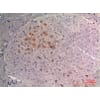
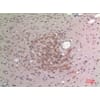
| Application | WB,IHC-p,ELISA |
| Recommended Dilution | Western Blot: 1/500 - 1/2000. IHC-p: 1:100-300 ELISA: 1/20000. Not yet tested in other applications. |
| Concentration | 1 mg/ml |
| Reactive Species | Human,Mouse,Rat |
| Host Species | Rabbit |
| Immunogen | Synthesized peptide derived from FGF-9, at AA range: C-TERM |
| Specificity | FGF-9 Polyclonal Antibody detects endogenous levels of FGF-9 protein. |
| Purification | The antibody was affinity-purified from rabbit antiserum by affinity-chromatography using epitope-specific immunogen |
| Form | Liquid in PBS containing 50% glycerol, 0.5% BSA and 0.02% sodium azide. |
| Gene Name | FGF9 |
| Accession No. | P31371 P54130 P36364 |
| Alternate Names | FGF9; Fibroblast growth factor 9; FGF-9; Glia-activating factor; GAF; Heparin-binding growth factor 9; HBGF-9 |
| Description | fibroblast growth factor 9(FGF9) Homo sapiens The protein encoded by this gene is a member of the fibroblast growth factor (FGF) family. FGF family members possess broad mitogenic and cell survival activities, and are involved in a variety of biological processes, including embryonic development, cell growth, morphogenesis, tissue repair, tumor growth and invasion. This protein was isolated as a secreted factor that exhibits a growth-stimulating effect on cultured glial cells. In nervous system, this protein is produced mainly by neurons and may be important for glial cell development. Expression of the mouse homolog of this gene was found to be dependent on Sonic hedgehog (Shh) signaling. Mice lacking the homolog gene displayed a male-to-female sex reversal phenotype, which suggested a role in testicular embryogenesis. [provided by RefSeq, Jul 2008], |
| Cell Pathway/ Category | MAPK_ERK_Growth,MAPK_G_Protein,Regulates Actin and Cytoskeleton,Pathways in cancer,Melanoma, |
| Protein Expression | Foreskin,Glial tumor, |
| Subcellular Localization | extracellular region,basement membrane,extracellular space,cytoplasm,extracellular exosome, |
| Protein Function | disease:The continuous overexpression of GAFS may lead to malignant cell growth caused by an autocrine loop.,function:May have a role in glial cell growth and differentiation during development, gliosis during repair and regeneration of brain tissue after damage, differentiation and survival of neuronal cells, and growth stimulation of glial tumors.,PTM:N-glycosylated.,PTM:Three molecular species were found (30 kDa, 29 kDa and 25 kDa), cleaved at Leu-4, Val-13 and Ser-34 respectively. The smaller ones might be products of proteolytic digestion. Furthermore, there may be a functional signal sequence in the 30 kDa species which is uncleavable in the secretion step.,similarity:Belongs to the heparin-binding growth factors family.,subunit:Monomer.,tissue specificity:Glial cells., |
| Usage | For Research Use Only! Not for diagnostic or therapeutic procedures. |