

ITT5357
ITT5357
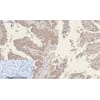
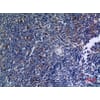
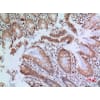
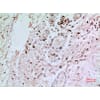
ITT5357
from
$424.00
Price in reward points: 424
- Catalog: ITT5357
- Gene/Protein: MMP9
- Product Description: Immunotag™ MMP-9 Polyclonal Antibody
-
Description
-
Specifications
Antibody Specification Datasheet 
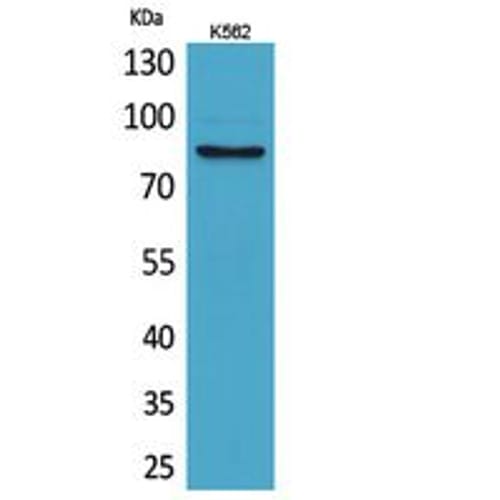
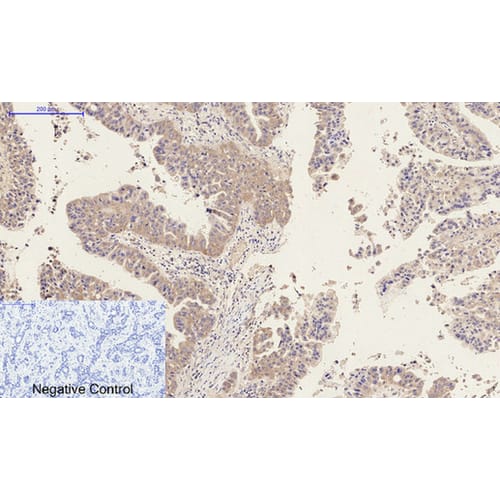
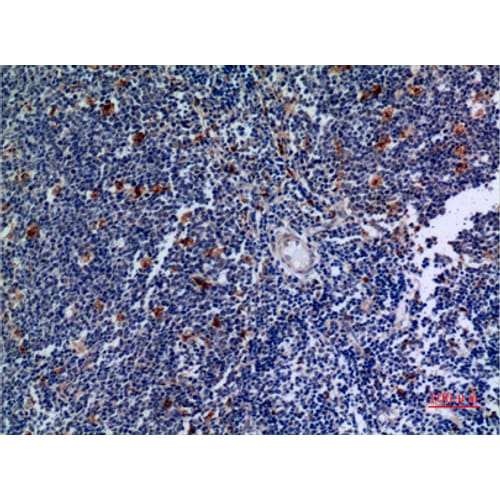
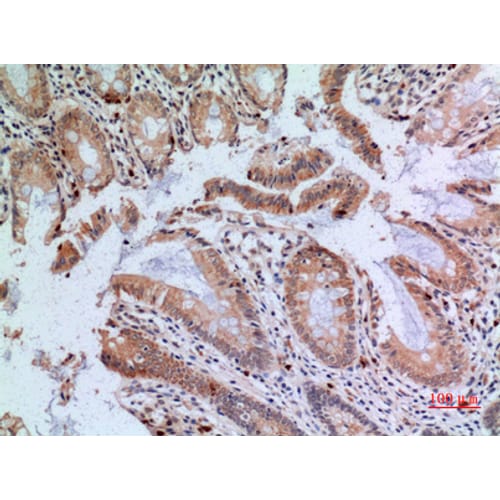
IMPORTANT NOTE This product is custom manufactured with a lead time of 3-4 weeks. Once in production, this item cannot be cancelled from an order and is not eligible for return. Target Protein MMP-9 Clonality Polyclonal Storage/Stability -20°C/1 year Application IF,WB,IHC-p,ELISA Recommended Dilution IF: 1:50-200 Western Blot: 1/500 - 1/2000. IHC-p: 1/100-1/300. ELISA: 1/20000. Not yet tested in other applications. Concentration 1 mg/ml Reactive Species Human Host Species Rabbit Immunogen The antiserum was produced against synthesized peptide derived from the Internal region of human MMP9. AA range:411-460 Specificity MMP-9 Polyclonal Antibody detects endogenous levels of MMP-9 protein. Purification The antibody was affinity-purified from rabbit antiserum by affinity-chromatography using epitope-specific immunogen Form Liquid in PBS containing 50% glycerol, 0.5% BSA and 0.02% sodium azide. Gene Name MMP9 Accession No. P14780 P41245 Alternate Names MMP9; CLG4B; Matrix metalloproteinase-9; MMP-9; 92 kDa gelatinase; 92 kDa type IV collagenase; Gelatinase B; GELB Description matrix metallopeptidase 9(MMP9) Homo sapiens Proteins of the matrix metalloproteinase (MMP) family are involved in the breakdown of extracellular matrix in normal physiological processes, such as embryonic development, reproduction, and tissue remodeling, as well as in disease processes, such as arthritis and metastasis. Most MMP's are secreted as inactive proproteins which are activated when cleaved by extracellular proteinases. The enzyme encoded by this gene degrades type IV and V collagens. Studies in rhesus monkeys suggest that the enzyme is involved in IL-8-induced mobilization of hematopoietic progenitor cells from bone marrow, and murine studies suggest a role in tumor-associated tissue remodeling. [provided by RefSeq, Jul 2008], Cell Pathway/ Category Leukocyte transendothelial migration,Pathways in cancer,Bladder cancer, Protein Expression B-cell,Blood,Fibrosarcoma,Neutrophil,Umbilical cord blood, Subcellular Localization extracellular region,proteinaceous extracellular matrix,extracellular space,extracellular exosome, Protein Function catalytic activity:Cleavage of gelatin types I and V and collagen types IV and V.,cofactor:Binds 2 zinc ions per subunit.,cofactor:Binds 3 calcium ions per subunit.,disease:Defects in MMP9 may be a cause of susceptibility to lumbar disk herniation (LDH) [MIM:603932]. LDH is the predominant cause of low-back pain and unilateral leg pain.,domain:The conserved cysteine present in the cysteine-switch motif binds the catalytic zinc ion, thus inhibiting the enzyme. The dissociation of the cysteine from the zinc ion upon the activation-peptide release activates the enzyme.,enzyme regulation:Inhibited by histatin-3 1/24 (histatin-5).,function:May play an essential role in local proteolysis of the extracellular matrix and in leukocyte migration. Could play a role in bone osteoclastic resorption. Cleaves KiSS1 at a Gly-|-Leu bond. Cleaves type IV and type V collagen into large C-terminal three quarter fragments and shorter N-terminal one quarter fragments. Degrades fibronectin but not laminin or Pz-peptide.,induction:Activated by 4-aminophenylmercuric acetate and phorbol ester.,miscellaneous:In the arthritis patient this enzyme might contribute to the pathogenesis of joint destruction and might constitute a useful marker of disease status.,PTM:N- and O-glycosylated.,PTM:Processing of the precursor yields different active forms of 64, 67 and 82 kDa. Sequentially processing by MMP3 yields the 82 kDa matrix metalloproteinase-9.,similarity:Belongs to the peptidase M10A family.,similarity:Contains 3 fibronectin type-II domains.,similarity:Contains 4 hemopexin-like domains.,subunit:Exists as monomer, disulfide-linked homodimer, and as a heterodimer with a 25 kDa protein. Macrophages and transformed cell lines produce only the monomeric form.,tissue specificity:Produced by normal alveolar macrophages and granulocytes., Usage For Research Use Only! Not for diagnostic or therapeutic procedures. - Reviews
| Antibody Specification | |
| Datasheet | |
| IMPORTANT NOTE | This product is custom manufactured with a lead time of 3-4 weeks. Once in production, this item cannot be cancelled from an order and is not eligible for return. |
| Target Protein | MMP-9 |
| Clonality | Polyclonal |
| Storage/Stability | -20°C/1 year |
| Application | IF,WB,IHC-p,ELISA |
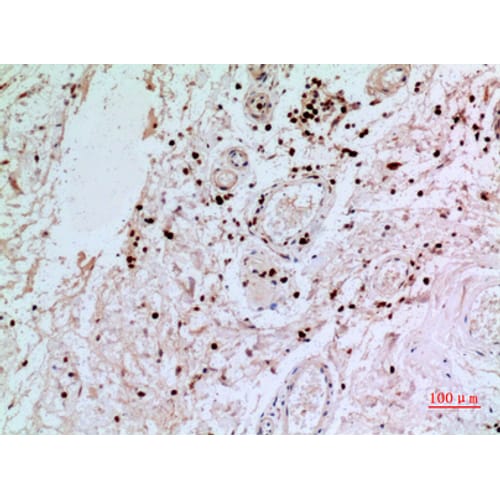
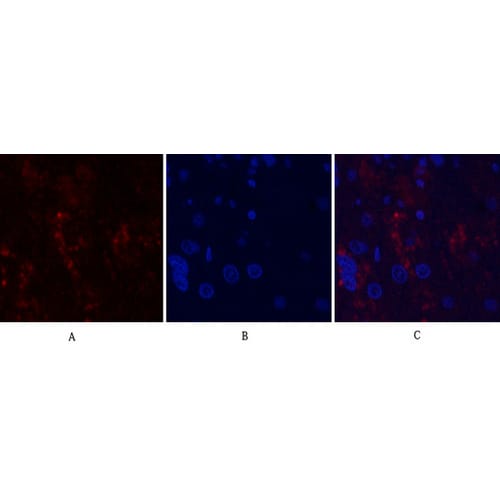
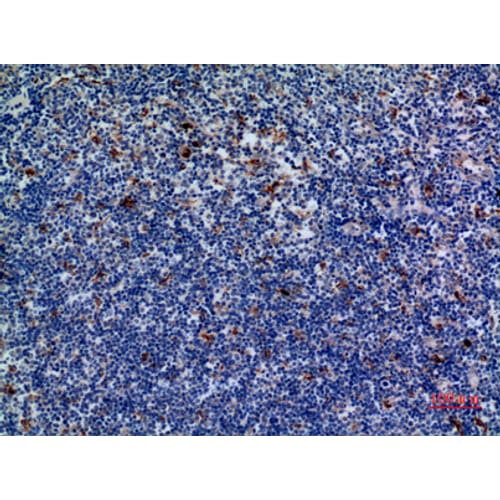
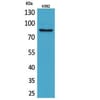
| Recommended Dilution | IF: 1:50-200 Western Blot: 1/500 - 1/2000. IHC-p: 1/100-1/300. ELISA: 1/20000. Not yet tested in other applications. |
| Concentration | 1 mg/ml |
| Reactive Species | Human |
| Host Species | Rabbit |
| Immunogen | The antiserum was produced against synthesized peptide derived from the Internal region of human MMP9. AA range:411-460 |
| Specificity | MMP-9 Polyclonal Antibody detects endogenous levels of MMP-9 protein. |
| Purification | The antibody was affinity-purified from rabbit antiserum by affinity-chromatography using epitope-specific immunogen |
| Form | Liquid in PBS containing 50% glycerol, 0.5% BSA and 0.02% sodium azide. |
| Gene Name | MMP9 |
| Accession No. | P14780 P41245 |
| Alternate Names | MMP9; CLG4B; Matrix metalloproteinase-9; MMP-9; 92 kDa gelatinase; 92 kDa type IV collagenase; Gelatinase B; GELB |
| Description | matrix metallopeptidase 9(MMP9) Homo sapiens Proteins of the matrix metalloproteinase (MMP) family are involved in the breakdown of extracellular matrix in normal physiological processes, such as embryonic development, reproduction, and tissue remodeling, as well as in disease processes, such as arthritis and metastasis. Most MMP's are secreted as inactive proproteins which are activated when cleaved by extracellular proteinases. The enzyme encoded by this gene degrades type IV and V collagens. Studies in rhesus monkeys suggest that the enzyme is involved in IL-8-induced mobilization of hematopoietic progenitor cells from bone marrow, and murine studies suggest a role in tumor-associated tissue remodeling. [provided by RefSeq, Jul 2008], |
| Cell Pathway/ Category | Leukocyte transendothelial migration,Pathways in cancer,Bladder cancer, |
| Protein Expression | B-cell,Blood,Fibrosarcoma,Neutrophil,Umbilical cord blood, |
| Subcellular Localization | extracellular region,proteinaceous extracellular matrix,extracellular space,extracellular exosome, |
| Protein Function | catalytic activity:Cleavage of gelatin types I and V and collagen types IV and V.,cofactor:Binds 2 zinc ions per subunit.,cofactor:Binds 3 calcium ions per subunit.,disease:Defects in MMP9 may be a cause of susceptibility to lumbar disk herniation (LDH) [MIM:603932]. LDH is the predominant cause of low-back pain and unilateral leg pain.,domain:The conserved cysteine present in the cysteine-switch motif binds the catalytic zinc ion, thus inhibiting the enzyme. The dissociation of the cysteine from the zinc ion upon the activation-peptide release activates the enzyme.,enzyme regulation:Inhibited by histatin-3 1/24 (histatin-5).,function:May play an essential role in local proteolysis of the extracellular matrix and in leukocyte migration. Could play a role in bone osteoclastic resorption. Cleaves KiSS1 at a Gly-|-Leu bond. Cleaves type IV and type V collagen into large C-terminal three quarter fragments and shorter N-terminal one quarter fragments. Degrades fibronectin but not laminin or Pz-peptide.,induction:Activated by 4-aminophenylmercuric acetate and phorbol ester.,miscellaneous:In the arthritis patient this enzyme might contribute to the pathogenesis of joint destruction and might constitute a useful marker of disease status.,PTM:N- and O-glycosylated.,PTM:Processing of the precursor yields different active forms of 64, 67 and 82 kDa. Sequentially processing by MMP3 yields the 82 kDa matrix metalloproteinase-9.,similarity:Belongs to the peptidase M10A family.,similarity:Contains 3 fibronectin type-II domains.,similarity:Contains 4 hemopexin-like domains.,subunit:Exists as monomer, disulfide-linked homodimer, and as a heterodimer with a 25 kDa protein. Macrophages and transformed cell lines produce only the monomeric form.,tissue specificity:Produced by normal alveolar macrophages and granulocytes., |
| Usage | For Research Use Only! Not for diagnostic or therapeutic procedures. |